Uganda & Rwanda

Gorillas, Jungle and Great Lakes

Duration
17 days
Trip style
Adventure
Effort
Challenging
Region
Africa

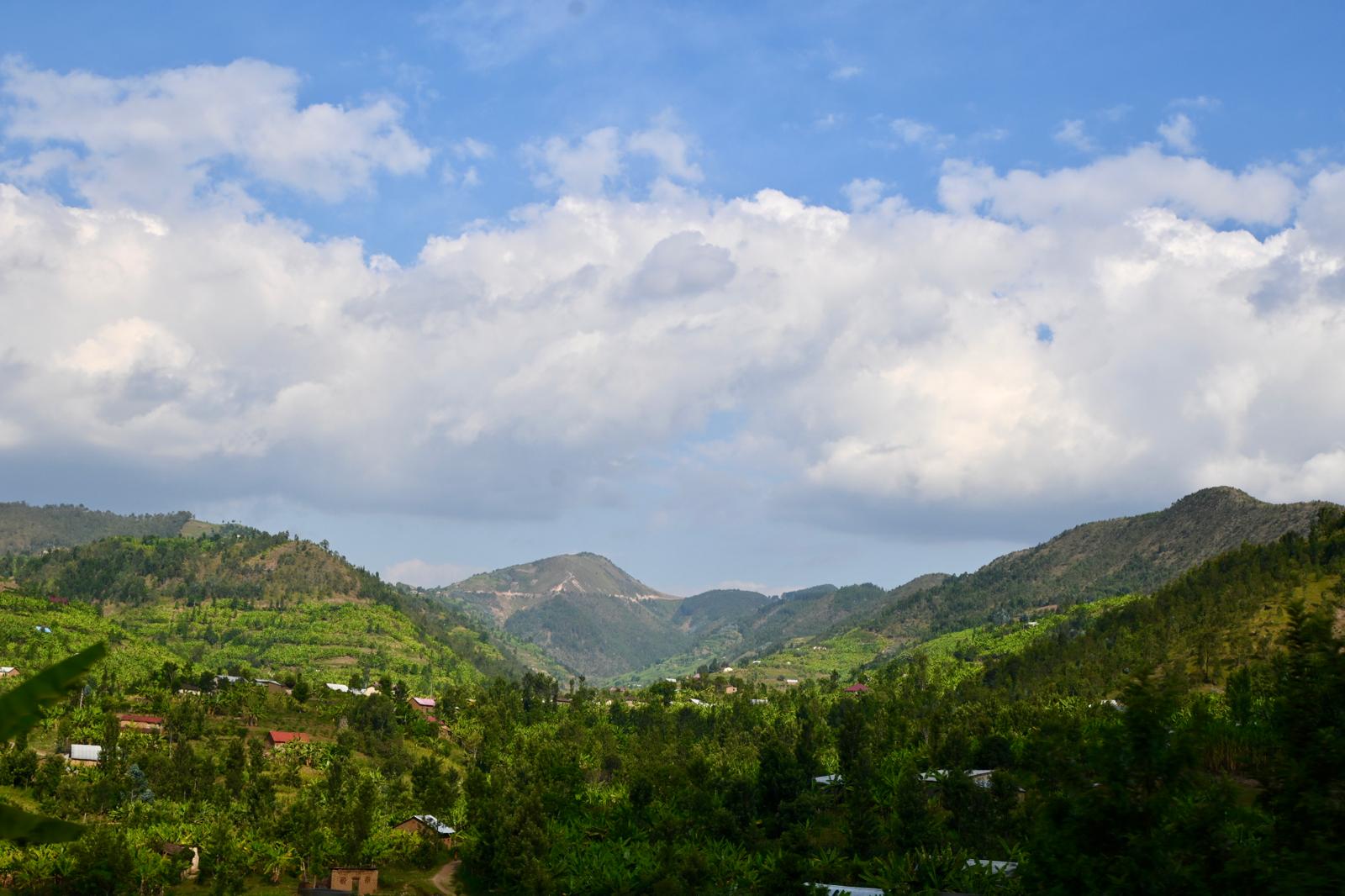
Two countries, one unbroken landscape of rolling hills.

A trans-East African circuit from Entebbe to Kigali: white-water rafting the Nile, gorilla trekking in Bwindi, game drives across four national parks, a forest conservation lodge in Gishwati and two days on the shores of Lake Kivu.

Uganda and Rwanda sit side by side in the heart of Africa and the contrast between them is as striking as anything you will see in either country individually. Uganda is raw and vast: the Nile, four wilderness national parks, the most diverse primate population on the continent, and a frontier quality that means you can spend a week in the wild without passing another tourist vehicle. Rwanda is compact, organized and unexpectedly beautiful, its terraced hills and forested highlands bearing no resemblance to the collapsed state that the genocide of 1994 left behind. The two countries share the Virunga volcanic chain and the world’s last mountain gorillas; they also share the Albertine Rift, one of the most biodiverse regions on Earth, and the border between them is less than an hour from the gorilla forests of Bwindi.

This 19-day route is designed to be driven, not flown. It begins in Entebbe, works east to the source of the Nile at Jinja, north to Murchison Falls, west through the chimp forests of Kibale, south through Queen Elizabeth National Park and the tree-climbing lions of Ishasha, and reaches Bwindi Impenetrable Forest for the gorilla trek that anchors the whole trip. From Bwindi, the route crosses the Rwanda border at Cyanika and enters a different country without boarding a plane: Kigali for culture and history, Gishwati Forest for a genuine off-grid conservation experience, and Lake Kivu for two days of water, silence and the view west toward the Democratic Republic of Congo.

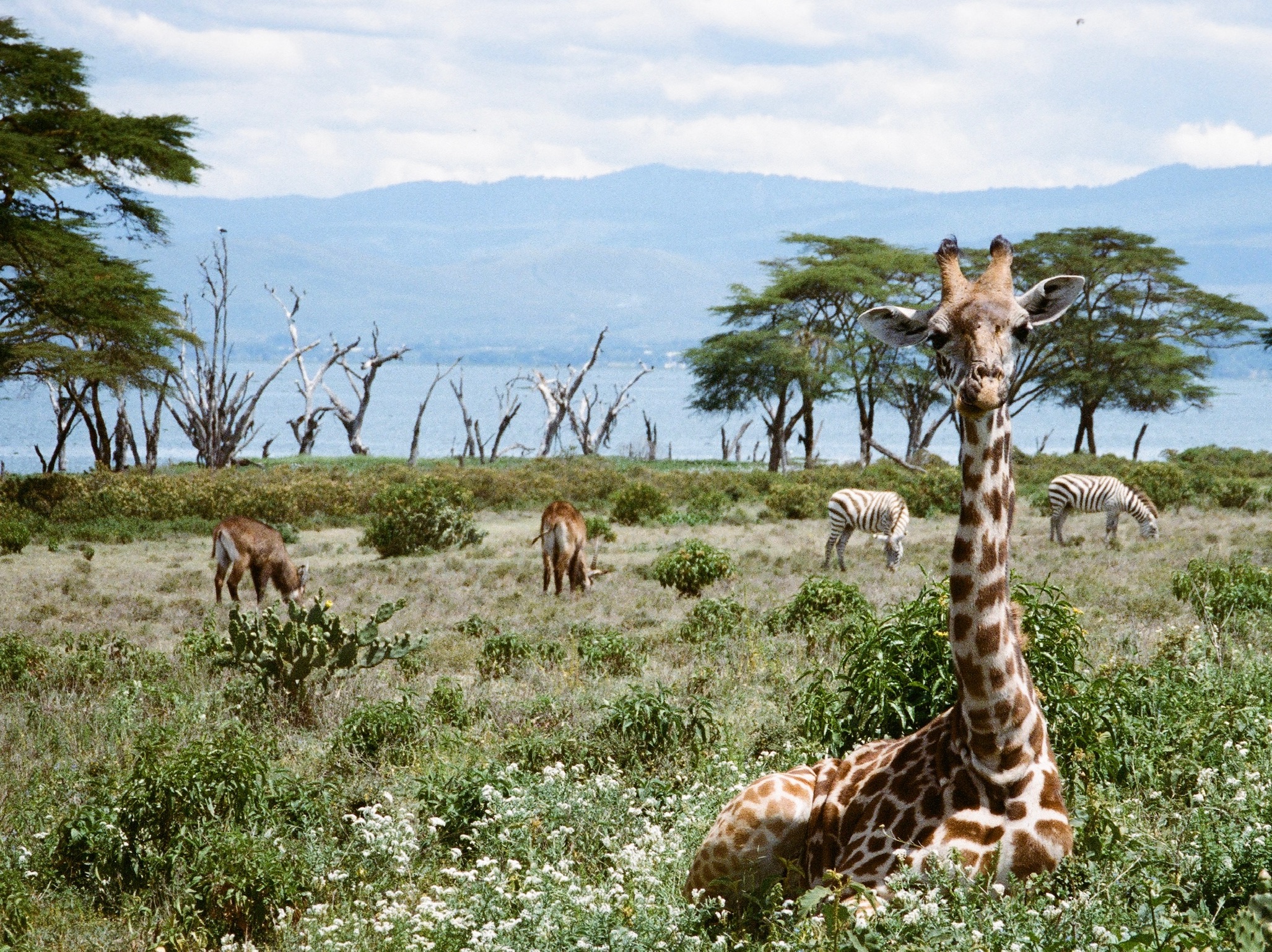
The wildlife on this route is extraordinary: shoebill storks on the Nile delta, chimpanzees in Kibale, tree-climbing lions in Ishasha, hippos and elephants on the Kazinga Channel, mountain gorillas in Bwindi, golden monkeys in Gishwati, and the birds of the Albertine Rift throughout. But the route is not only a wildlife safari. The Kigali Genocide Memorial, the Inema Arts Centre, the colonial history of Jinja and the conservation story of Gishwati add a layer of human complexity that most East Africa itineraries skip entirely.

Highlights

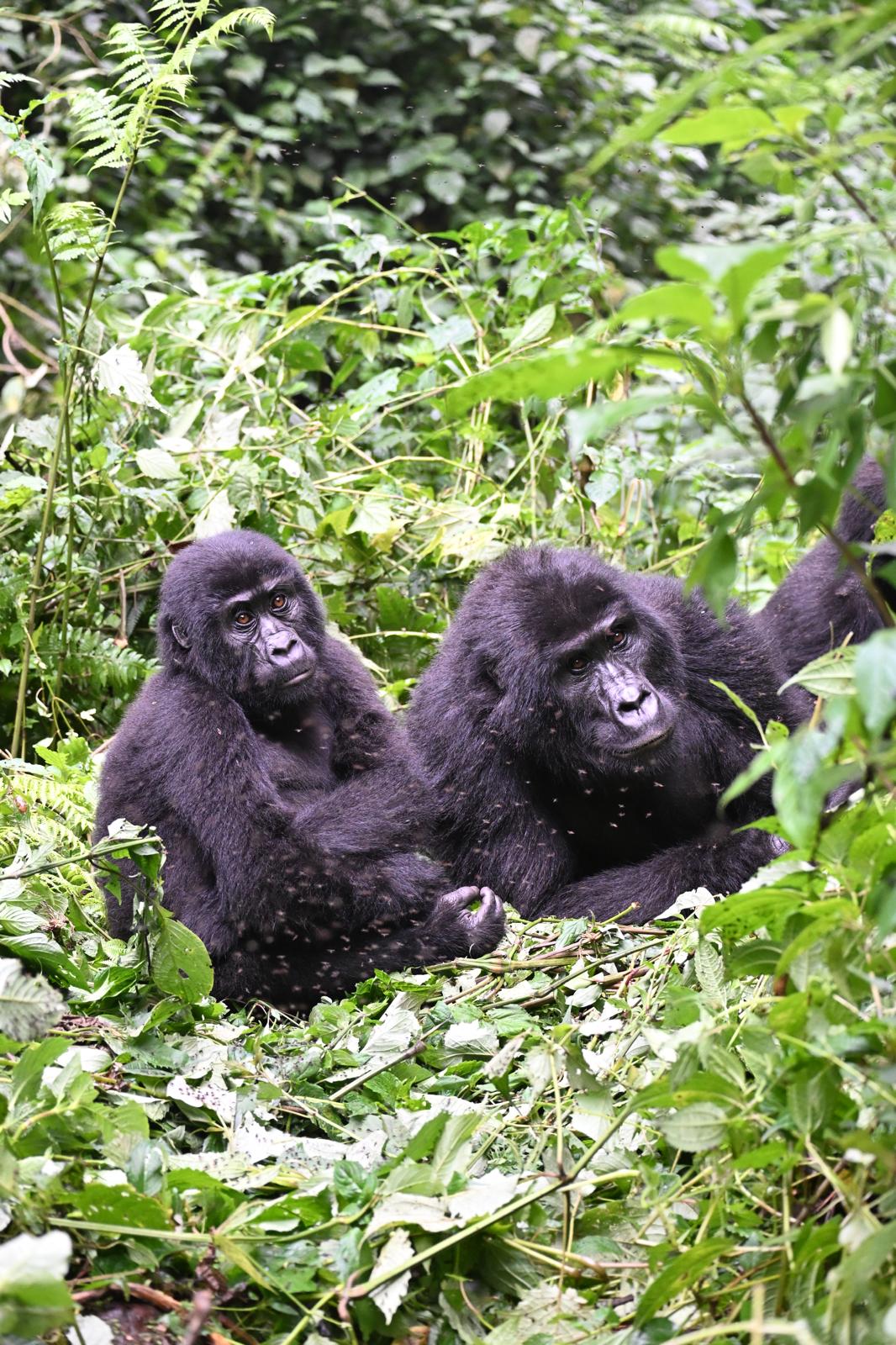
Gorilla trekking at Bwindi

Gorilla trekking at Bwindi

The most visceral wildlife encounter in East Africa. Bwindi Impenetrable National Park holds roughly half the world's remaining mountain gorillas in 331 square kilometres of ancient rainforest on the edge of the Albertine Rift. The trek to find them takes anywhere from 30 minutes to six hours depending on where the family has moved overnight; the forest is steep, dense and genuinely demanding. When you find them, you have one hour.

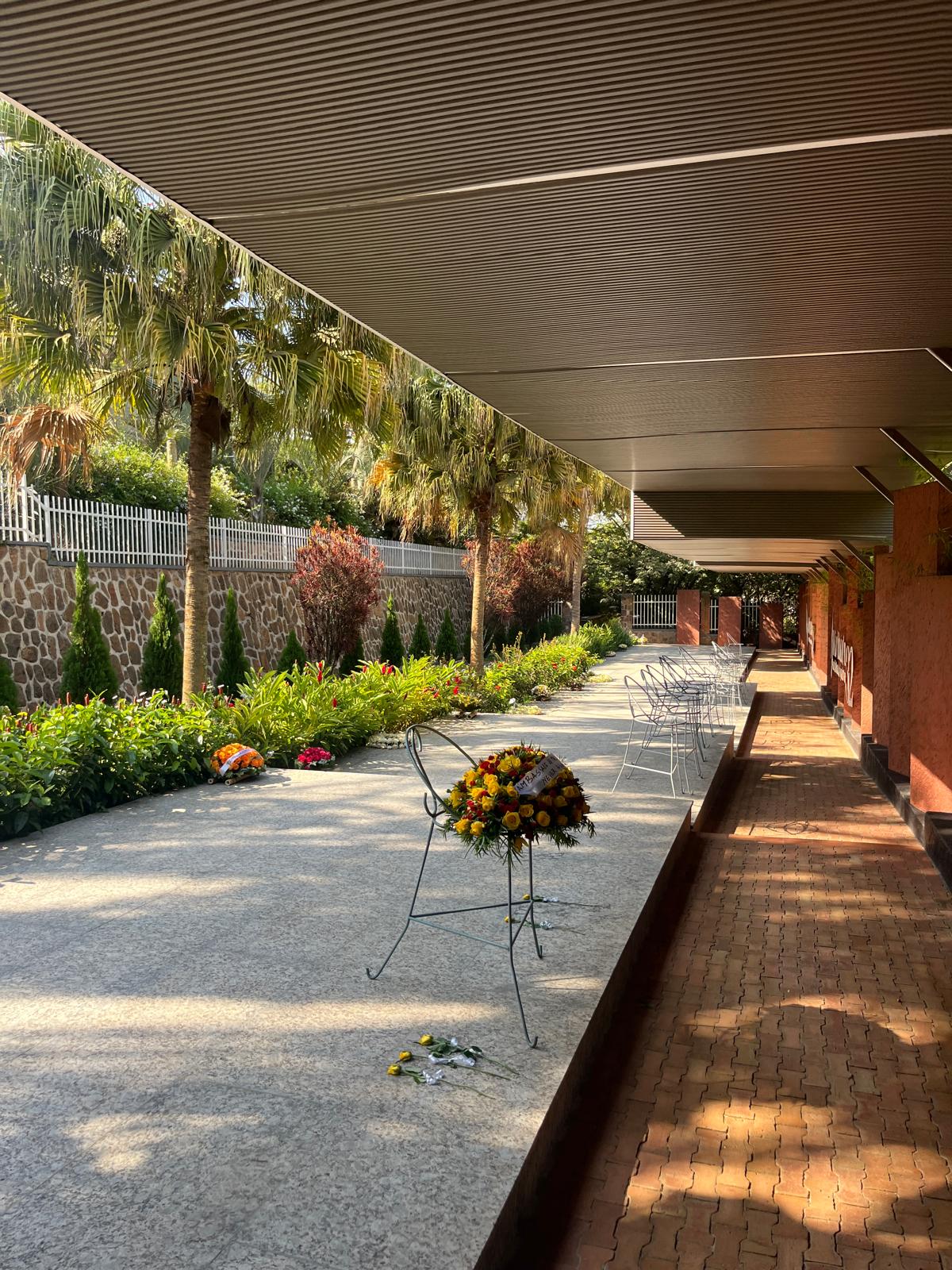
Kigali Genocide Memorial

Kigali Genocide Memorial

The memorial at Gisozi is built on a site where approximately 250,000 victims of the 1994 genocide are buried. The permanent exhibition covers the Belgian colonial imposition of ethnic identity cards, the events of the 100 days in which between 800,000 and one million people were killed, and the international community's failure to intervene. It is confronting, carefully made and necessary. What makes it unlike any other genocide memorial is its proximity to the present: the guides lived through what they are describing, the city visible through the windows was rebuilt within a generation, and Rwanda today is the context that makes the history feel neither resolved nor defeated. Allow two hours and do not rush the final sections.

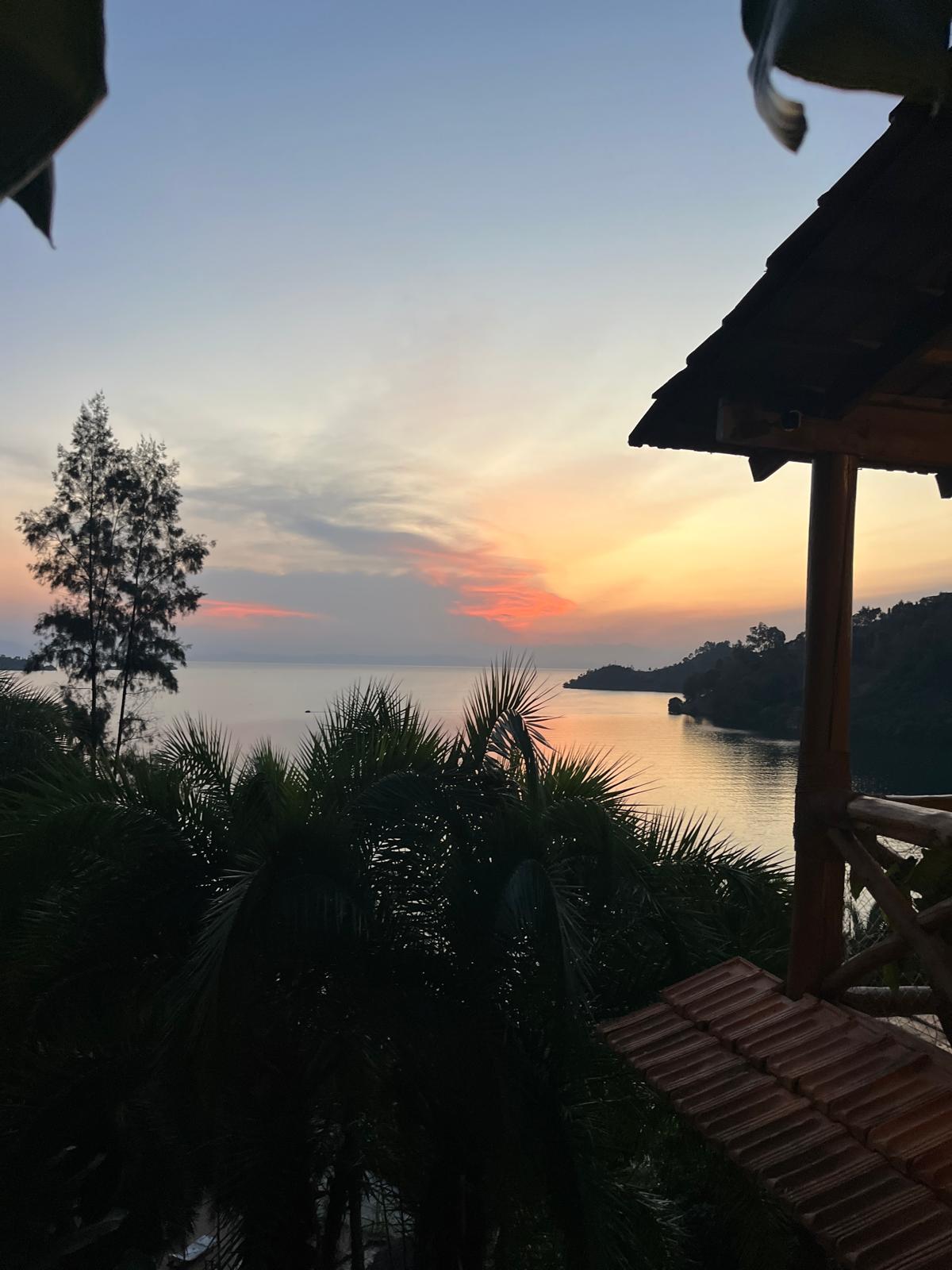
Lake Kivu at dusk

Lake Kivu at dusk

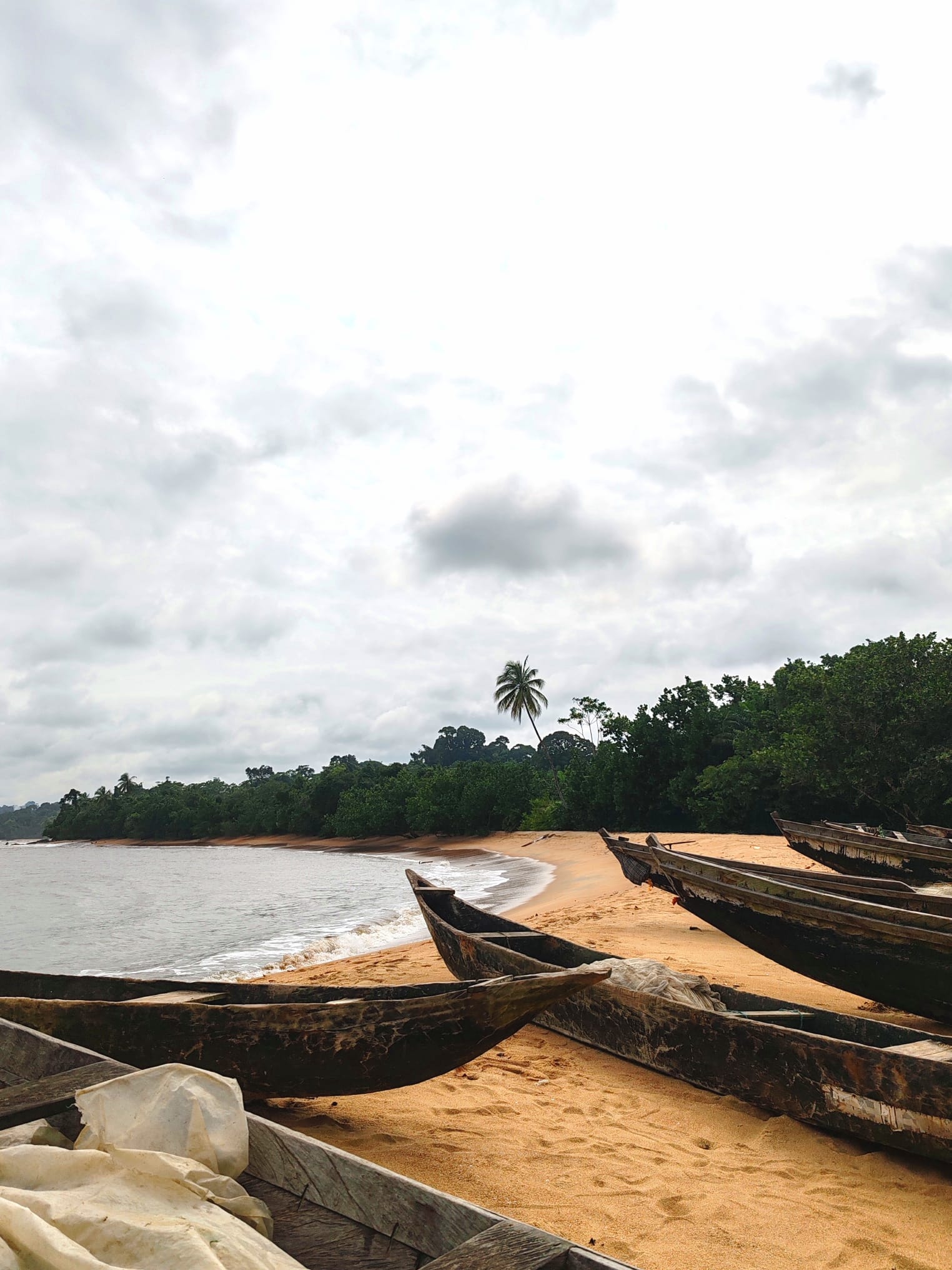
Lake Kivu sits at 1,460 metres on Rwanda's western border with the Democratic Republic of Congo, 480 metres deep. The far shore is Congolese; the Virunga volcanoes rise behind it on a clear evening. From a kayak on the water in the last hour of light, the DRC hills turn purple, the surface goes still, and the sense of being at the edge of something vast and unresolved is quietly overwhelming. There are no hippos, no crocodiles and almost no other boats.

The route

Day 1: Fly into Entebbe / Kampala city tour and first evening

Days 2 to 3: Jinja / source of the Nile boat trip and white-water rafting

Days 4 to 5: Murchison Falls National Park / game drives, Nile boat trip and shoebill search

Days 6 to 7: Kibale National Park / chimpanzee trekking and Bigodi Wetland walk

Days 8 to 9: Queen Elizabeth National Park / Kazinga Channel boat trip and savannah game drives

Day 10: Ishasha sector game drive / tree-climbing lions, drive to Bwindi

Day 11: Gorilla trekking at Bwindi Impenetrable National Park

Day 12: Lake Bunyonyi / rest day on the crater lake

Day 13: Cross into Rwanda via Katuna border / arrive at Gishwati

Day 14: Forest Trekking, Drive to Lake Kivu / Cormoran Lodge, sunset kayaking and lake afternoon

Day 15: Lake Kivu boat trip, Napoleon Island hike, drive to Kigali

Day 16: Kigali / Genocide Memorial, Inema Arts Centre, Rebero Hill and live music

Day 17: Departure

Start the journey

The first part of the day-by-day route, free to read.

Day 1: Entebbe and Kampala

Entebbe International Airport (EBB) sits on a peninsula in Lake Victoria, 37 km from Kampala. Your English-speaking driver-guide and pop-top 4x4 safari vehicle will be waiting in arrivals; this vehicle is your transport for the full Uganda leg. The journey into Kampala takes 45 to 90 minutes depending on traffic; Kampala's gridlock is genuine and unpredictable, particularly in the late afternoon.

The afternoon city tour covers the Uganda Museum on Kitante Road (tribal and material heritage built over a century, free entry, genuinely good collection), the Kasubi Tombs on Kasubi Hill (the royal burial ground of the Buganda Kingdom's kabakas, rebuilt after a 2010 fire, UNESCO World Heritage Site), and Nakasero Market for a ground-level view of how Kampala feeds itself. The Rubaga and Namirembe Cathedrals, Catholic and Anglican establishments built on opposing hills in the 1880s, reflect the peculiar missionary competition that shaped Buganda's modern religious landscape; the context matters for understanding what you will see at Kasubi.

Keep the evening low-key. Kampala's restaurant scene is better than most visitors expect: Izumi for Japanese, Cantine Divino for Italian, Mediterraneo for reliable Mediterranean, Khana Khazana for Indian. Stay at ONOMO Hotel Kampala, central and reliable for a first-night arrival.

Get the full Uganda & Rwanda itinerary

  • The rest of the day-by-day route, 11 more detailed entries
  • Where to stay, by budget
  • Where to eat and drink
  • Practical reminders and cautions
  • Ways to shorten or extend the trip
  • 25 photos from the trip
  • A direct line to the traveller who led it

£12.99

One-time payment

Unlock this itinerary

Instant access. You'll confirm at checkout that this ends your 14-day right to cancel. Terms

Already bought it? Log in

From travellers on this trip

“I had been on safari before but nothing prepared me for Bwindi. That hour felt like the most significant wildlife experience of my life, especially when the silverback sat down three metres away and just looked at us.”

Kelly Ottawa, Canada

“What stayed with me most wasn't the animals, it was Kigali. The Genocide Memorial was the hardest two hours of the trip and also the most important. Seeing how far Rwanda has come since 1994 made the whole country feel extraordinary in a way I didn't expect before I arrived.”

Mitashi New Delhi, India

“Lake Kivu on the last evening was something else. We were out on kayaks as the sun went down and the Congo was right there across the water. After two weeks of game drives and gorillas and history, that silence on the lake was exactly what the trip needed to end on.”

Jack Dallas, USA