Six days through the volcanic highlands of western Cameroon: royal palace visits, contemporary art spaces, crater lakes, forest waterfalls and the train back from Douala through the heart of the country.
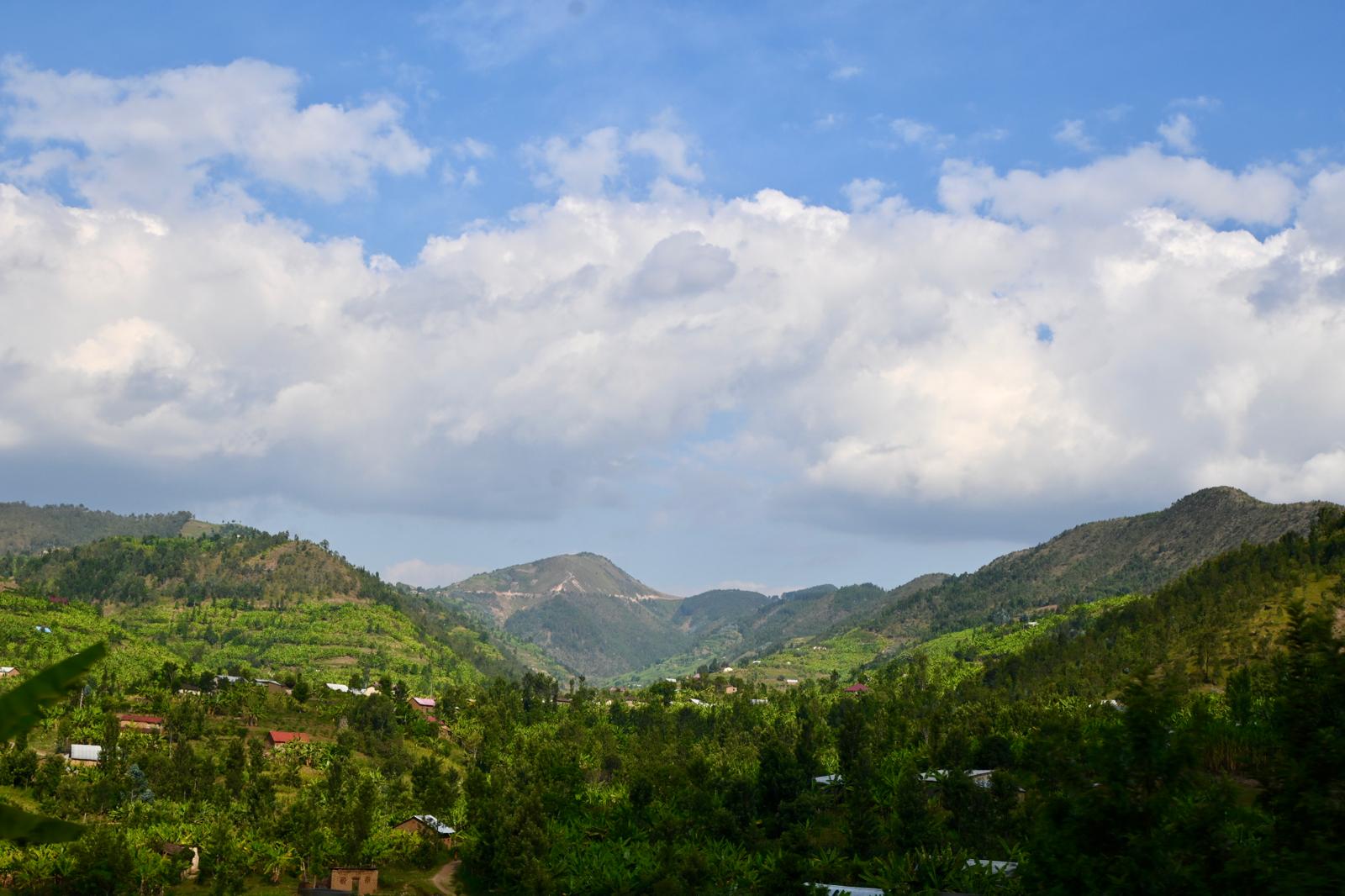
In western Cameroon, on the volcanic highlands overlooking the coastal plains, lies one of the most culturally fascinating regions of Central Africa: the homeland of the Bamileke kingdoms. This region is characterised by a remarkable diversity of traditional kingdoms, commonly referred to as chiefdoms, each with its own history, political organisation, customs, and artistic heritage.
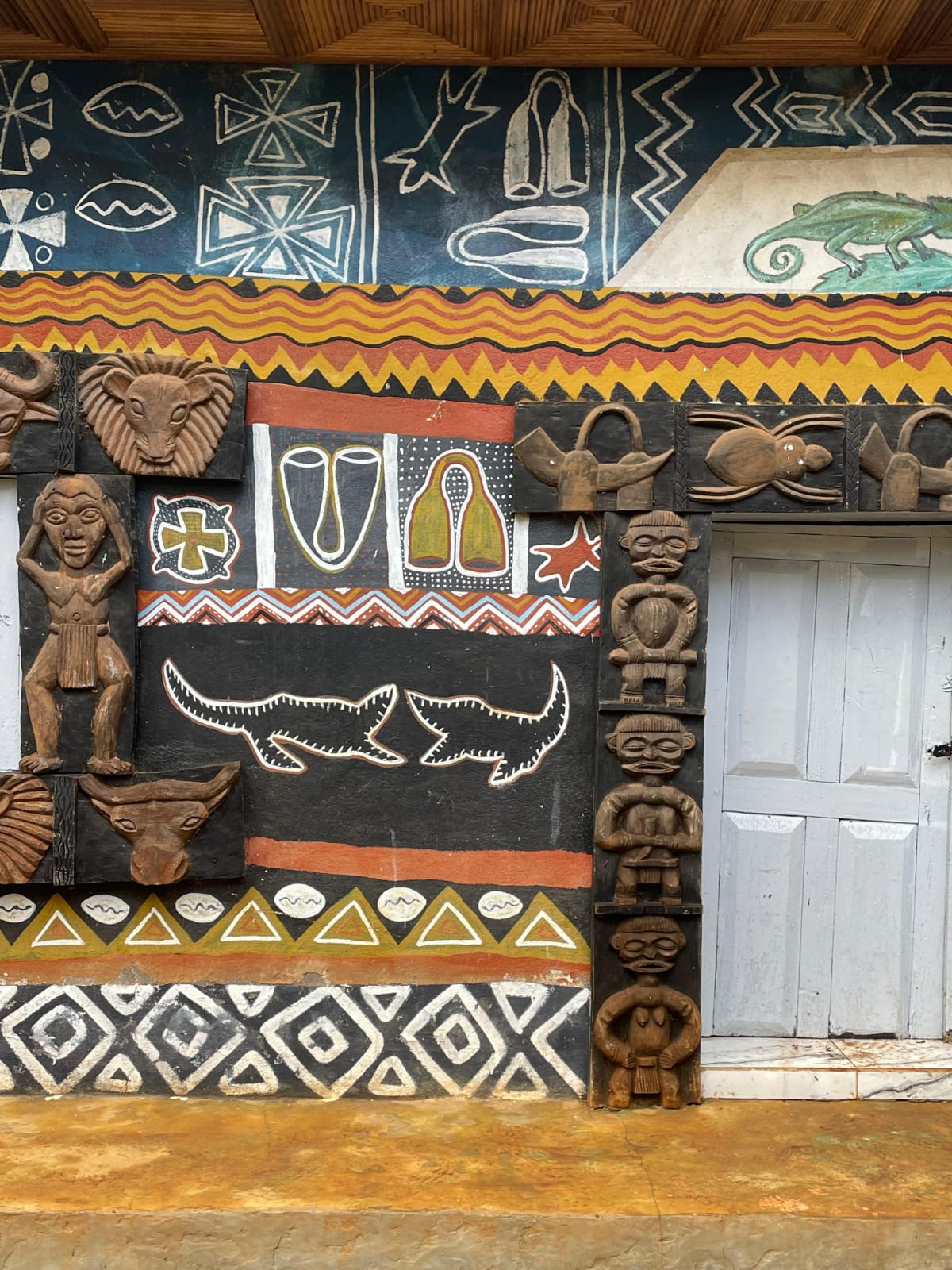
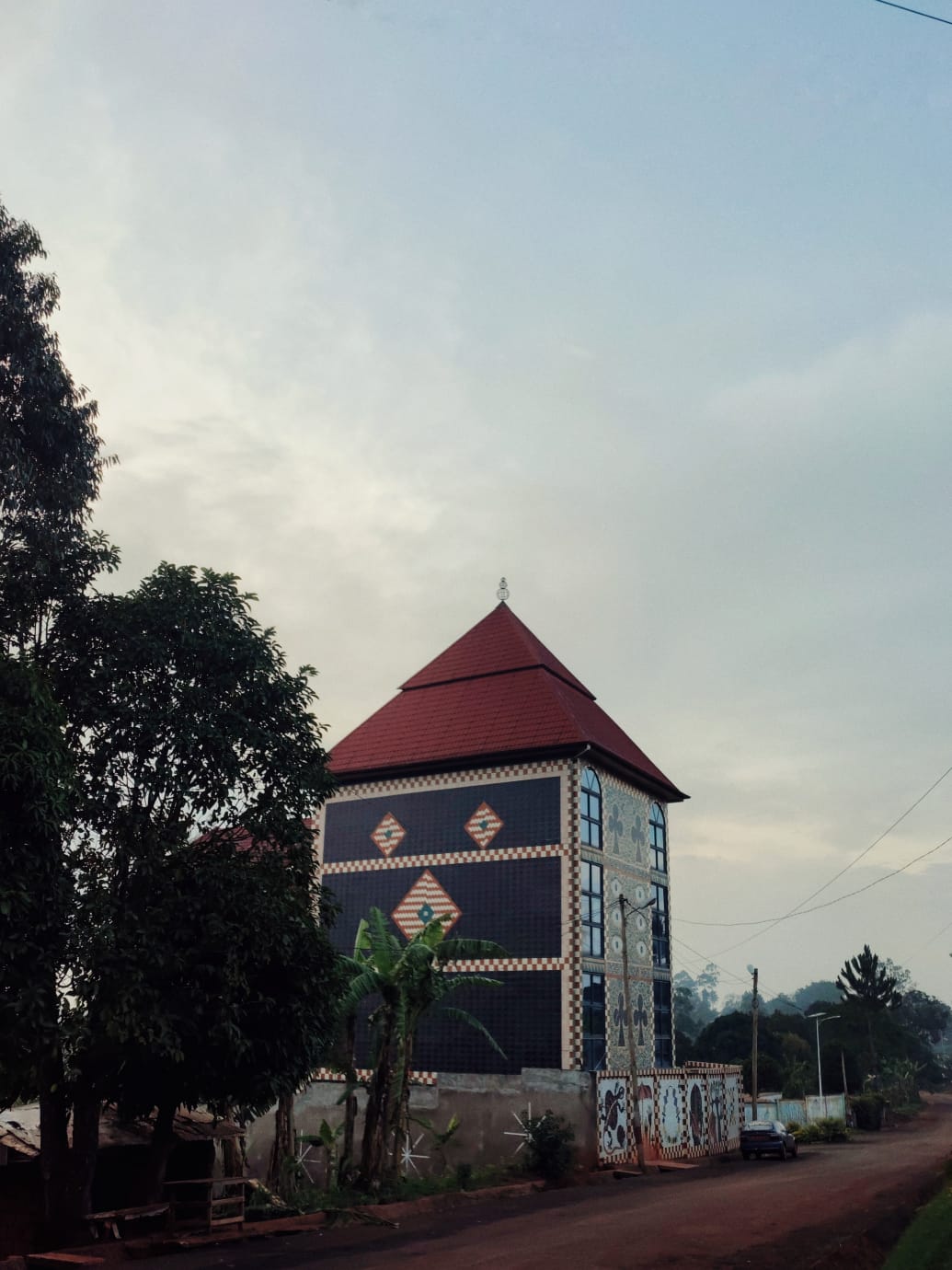
Each chiefdom possesses a distinctive architectural and symbolic heritage. The royal compound generally includes the chief’s palace, reception halls, residences or meeting places for the notables, sacred sites, ancestral spaces, and ceremonial structures. These places are not merely architectural landmarks: they embody the history and identity of the community. Royal objects such as carved wooden statues, masks, stools, staffs, drums, and other ceremonial artefacts are used during important rituals and occasions, conveying stories about the ancestors, royal lineage, power, and cultural continuity.
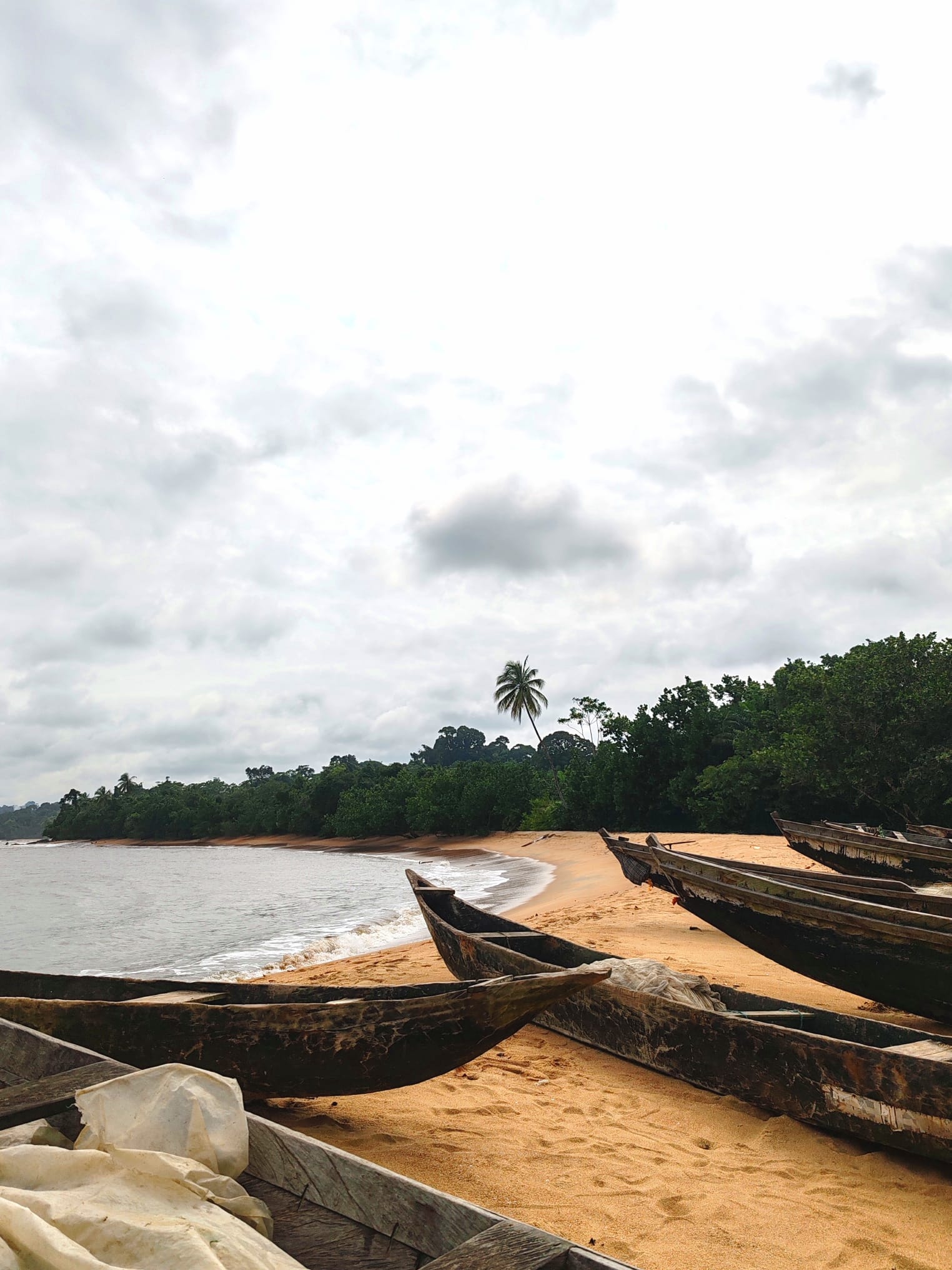
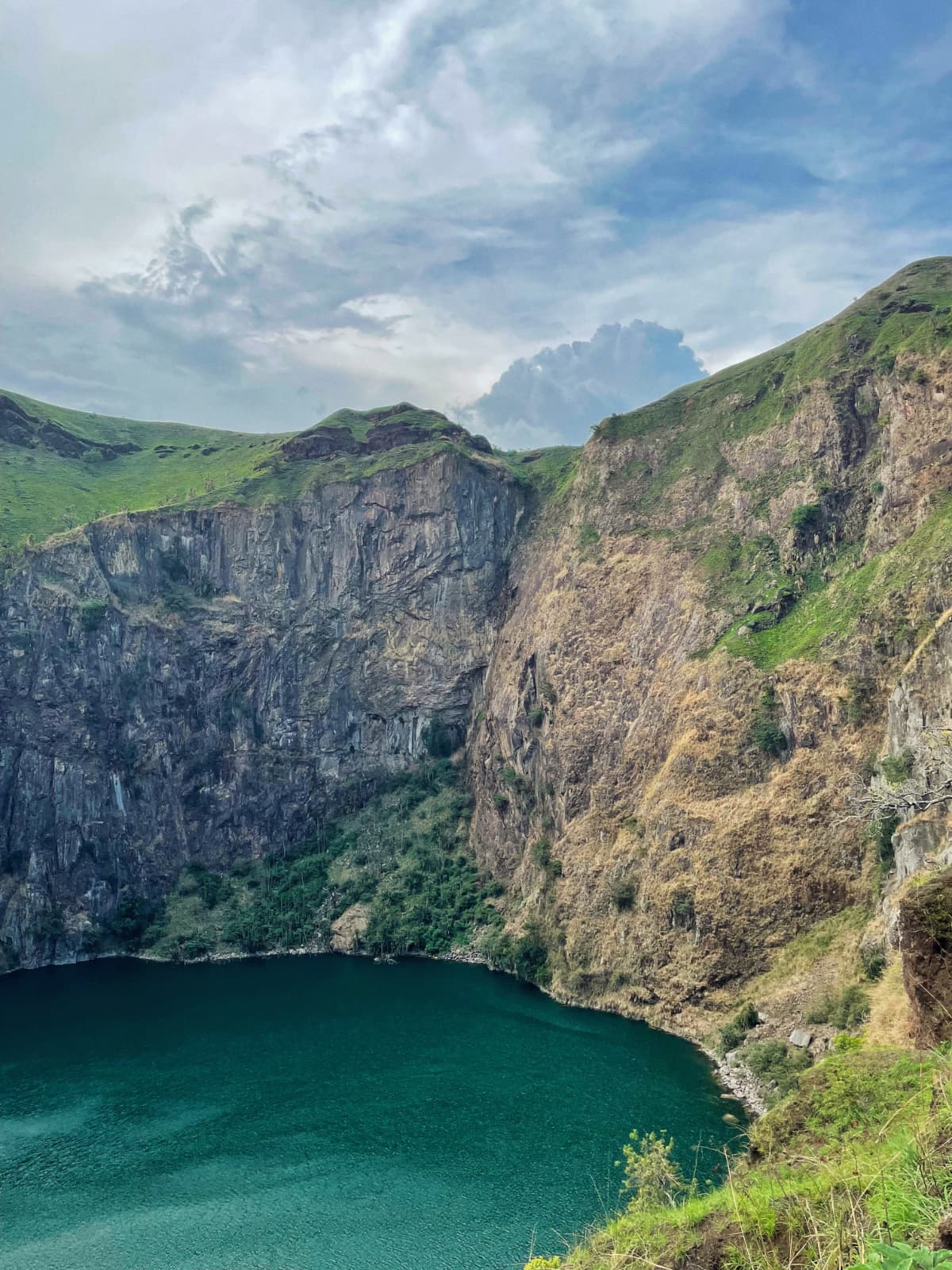
This six-day route begins in Yaoundé, moves west to the Bamileke highlands through the Route des Chefferies, visits two of the region’s most important royal compounds at Batoufam and Bandjoun, climbs to crater lakes and volcanic summits, descends through the Métché Waterfalls and the highland city of Dschang, and ends in Douala before a train journey back through the forest or a coastal extension toward Kribi. It is a route that asks for patience with unpredictable roads, curiosity about unfamiliar traditions, and the willingness to travel with a local guide. In return it offers access to a living cultural world that most visitors to Africa never encounter.
Cameroon is often described as Africa in miniature. This itinerary is a demonstration of why.
 Terra Nova Collective