Kenya

Coast, Safari and the Great Rift Valley

Duration
25-28 days
Trip style
Adventure
Effort
Moderate effort
Region
Africa

One country. Every landscape Africa has to offer.

From the Swahili island of Lamu to the elephant-filled plains of Amboseli, this is Kenya in full: a route combining Indian Ocean coastline, the Maasai Mara migration, highland hiking, volcanic lakes and the northern savannah in a single connected journey.

Kenya is among the most geographically varied countries on the continent and among the most logistically accessible. In a single trip you can move from a UNESCO-listed Swahili island with no roads and no cars to the most famous wildlife reserve in the world, from a volcanic mountain summit above the clouds to a crater lake where hippos graze on the campsite lawn at midnight. The range is real and not contrived; Kenya’s geography genuinely contains all of it within driving distance of a single hub.

This route uses Nairobi as its operational centre: a city that is underrated as a travel destination in its own right, with a serious food and nightlife scene, world-class wildlife encounters at the Giraffe Centre and Sheldrick Elephant Sanctuary within 20 minutes of the airport, and a network of day trips to volcanic craters, forest hikes and crater lakes within two hours in every direction. The coast section opens in Lamu, a medieval Swahili island where the old town has been continuously inhabited for 700 years and the only transport is by donkey, foot or dhow. Watamu follows: a more laid-back Italian-Kenyan coastal town with excellent diving, mangrove boat trips, and a beach scene that attracts repeat visitors year after year.

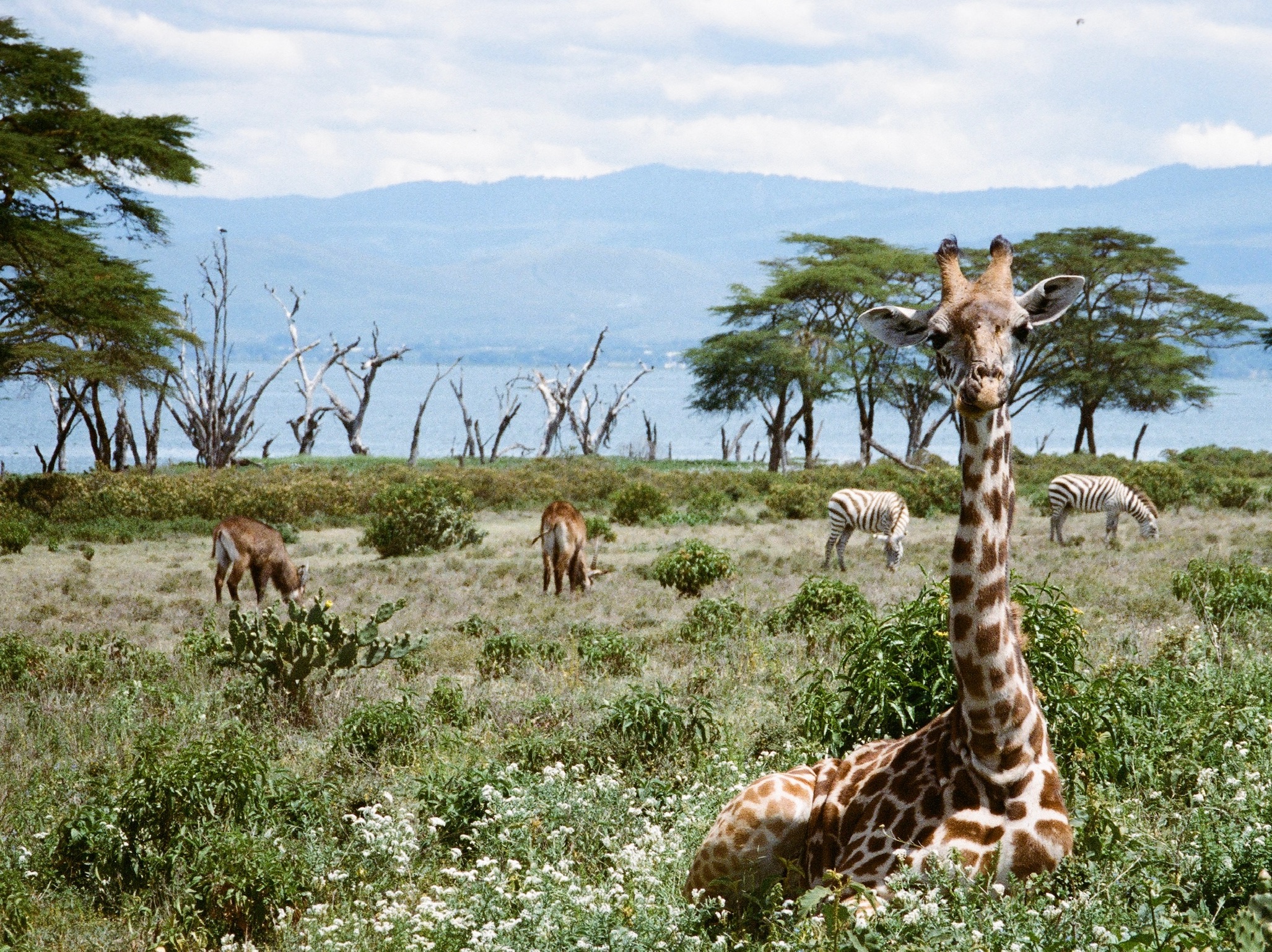
The safari circuit then takes over. The Maasai Mara is the centrepiece: three days and two nights of game drives in one of the most biodiverse ecosystems on Earth, timed if possible for the Great Migration between July and October when two million wildebeest and zebra cross the Mara River from Tanzania. Surrounding Nairobi, day and overnight trips cover the full highland range: the bamboo forest of the Aberdares, the volcanic crater of Mount Longonot, the Crescent Island walking safari at Lake Naivasha, and Hell’s Gate National Park where you cycle among zebras and walk a geothermal gorge. For those wanting to go further, the route extends to a three-day Mount Kenya hike on the second-highest peak in Africa, two days of elephant and Kilimanjaro photography at Amboseli, and a Samburu and Ol Pejeta circuit through the arid north for the endemic Samburu special five and the last northern white rhinos on Earth.

Highlights

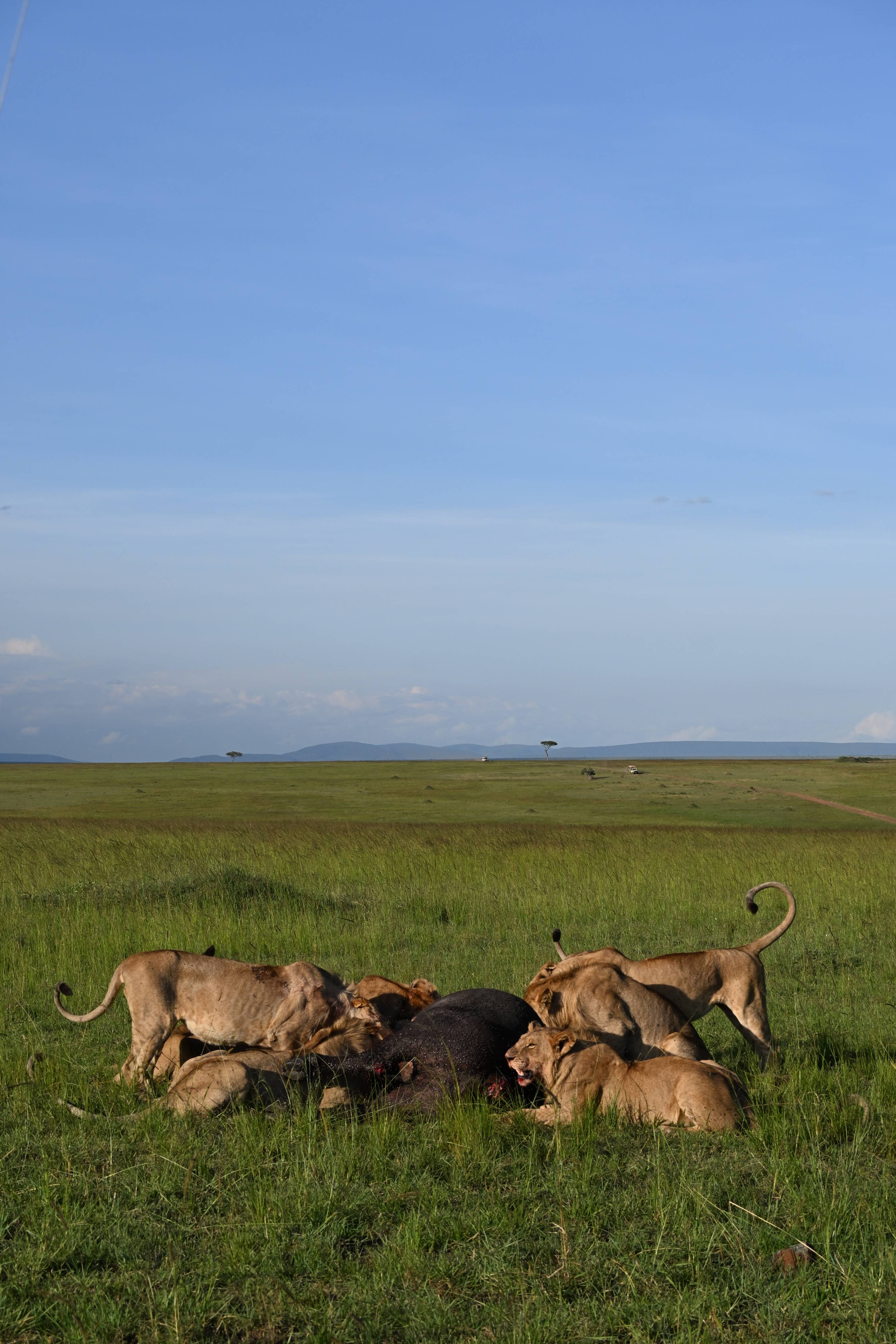
The Masaai Mara

The Masaai Mara

The sheer density of wildlife on the open savannah, the concentration of big cats, and the sight of herds of wildebeest stretching to the horizon during the July to October Great Migration are experiences that the wildlife television industry has documented extensively without managing to fully convey the scale.

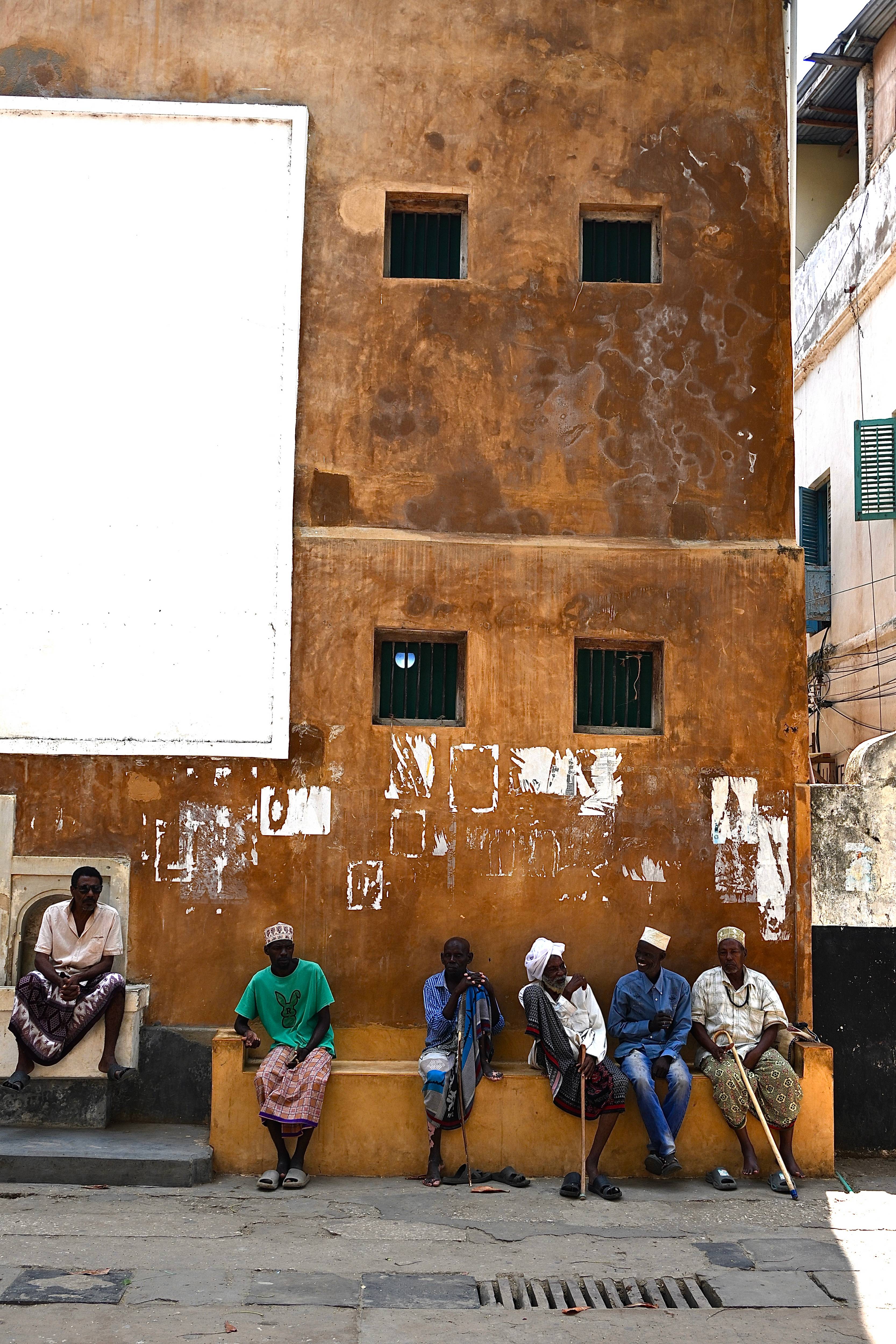
Lamu Old Town

Lamu Old Town

The oldest continuously inhabited Swahili settlement in East Africa and the best-preserved example of Swahili architecture in the world. The island has no roads and no cars; the lanes of the old town are navigated on foot, by donkey, or by wooden dhow on the water. Coral-stone houses with their carved wooden doors, inner courtyards and rooftop terraces over the Indian Ocean have barely changed since the 14th century.

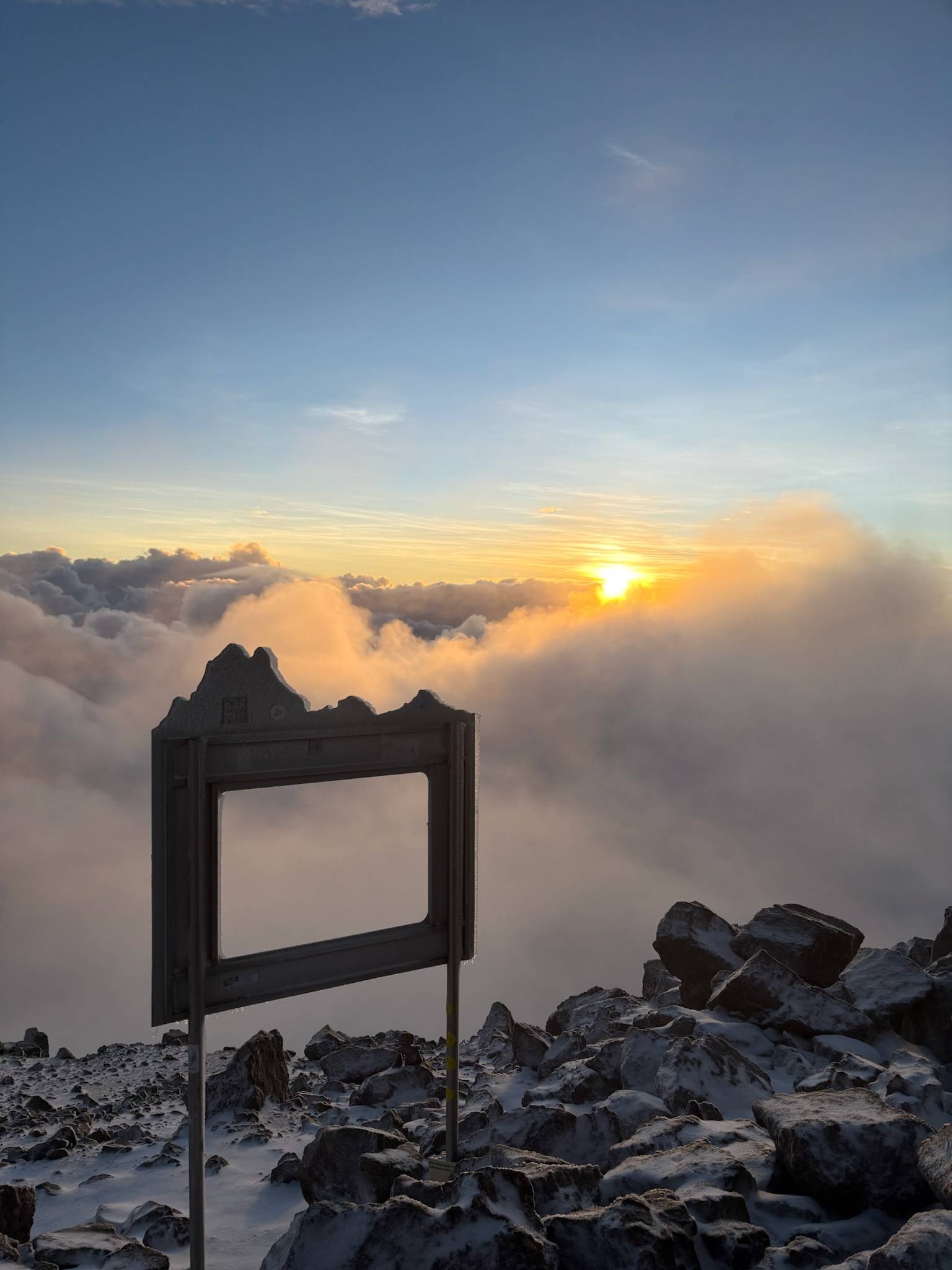
Mount Kenya Lenana Point Summit

Mount Kenya Lenana Point Summit

Hikes to Point Lenana (4,985 meters / 16,355 feet) offer a non-technical summit experience up Africa's second highest mountain. Witness dramatic sunrises, pass through unique alpine plant zones, and avoid the heavy crowds found on neighboring Mount Kilimanjaro.

The route

Days 1 to 3: Lamu / Old Town walking tour, dhow boat day excursion, Shela Beach and Peponi's

Days 4 to 6: Watamu / Papa Remo beach day, mangrove boat in Mida Creek, Sunset Labs dinner and ocean dive

Day 7: Fly to Nairobi / settle into Nairobi base, late dinner at Red Ginger

Days 8 to 10: Maasai Mara / three days of game drives, dawn and dusk on the savannah

Day 11: Return to Nairobi / afternoon at the Giraffe Centre or Sheldrick Elephant Sanctuary

Day 12: Nairobi day / Karen's Farmers Market, Cultiva lunch, arboretum walk and Karura Forest

Days 13 to 14: Aberdares and Mount Longonot / Elephant Hill hike and volcanic crater circuit

Days 15 to 16: Lake Naivasha / Crescent Island walking safari, Hell's Gate cycling and gorge walk

Days 17 to 19: Mount Kenya / three-day Chogoria ascent and Sirimon route descent for Point Lenana

Days 20 to 22: Samburu and Ol Pejeta / northern endemic species, last northern white rhinos and Laikipia return

Days 23 to 24: Amboseli / elephant herds against Kilimanjaro at dawn and dusk

Day 25: Final Nairobi evening and departure

Start the journey

The first part of the day-by-day route, free to read.

Days 1 to 3: Lamu

Fly into Lamu's Manda Island Airport (LAU) via Nairobi or Mombasa. SafariLink and JamboJet operate the Nairobi to Lamu route; the flight takes approximately 1.5 hours and arrives on the small airstrip on Manda Island, from which a motorised boat transfers you across the channel to Lamu Town or Shela Village (10 minutes, the boat ride is usually included in your accommodation's arrangements or costs approximately KES 1500).

Lamu has no roads for motorised vehicles. The town is navigated on foot through lanes barely wide enough for two people, by donkey for luggage and heavy loads, or by motorboat between Lamu Town and Shela Village (15 minutes). There are no taxis. Most tourists stay in Shela, which offers a more refined experience closer to the sea.

Lamu Old Town is a UNESCO World Heritage Site listed in 2001 as the oldest and best-preserved Swahili settlement in East Africa. The buildings are coral stone and mangrove timber, constructed with inner courtyards that regulate heat without air conditioning, and carved wooden doors that are the most reproduced symbol of Swahili culture. The town has been continuously inhabited for over 700 years and the layout has changed minimally in that time. Walking through it slowly, getting lost in the lanes, and allowing the rhythm of the place to replace whatever pace you arrived with is the correct approach to the first afternoon.

Old Town tour via Aswif (+254 715 258 915): The guide provides a structured introduction to the old town. The tour covers the history of the Swahili trading network, the architectural tradition, the significance of the carved doors, and the social geography of a town that was once one of the Indian Ocean's most important ports. Book one or two days in advance; The tour takes two hours and is the best context-setting experience for understanding what you are walking through for the rest of the visit.

Got to Majlis Hotel for sunset drinks and beach day chilling; the rooftop bar has one of the better sunset views over the channel. Peponi's Hotel in Shela is the dining recommendation across multiple evenings; the Danish family-owned hotel has been operating on the Shela waterfront since 1967 and the sundowner terrace, the seafood and the view are all genuinely excellent. Peponi's is worth a dinner reservation on at least one evening regardless of where you are sleeping. Kijani Rooftop is a pleasant additional option.

Get the full Kenya itinerary

  • The rest of the day-by-day route, 11 more detailed entries
  • Where to stay, by budget
  • Where to eat and drink
  • Practical reminders and cautions
  • Ways to shorten or extend the trip
  • 25 photos from the trip
  • A direct line to the traveller who led it

£12.99

One-time payment

Unlock this itinerary

Instant access. You'll confirm at checkout that this ends your 14-day right to cancel. Terms

Already bought it? Log in

From travellers on this trip

“I thought I was coming for the safari. The Mara was extraordinary, but what stayed with me was actually Nairobi. The food, the people, the energy of the city at night. It felt like a place that was genuinely building something, and I left wanting to understand it better.”

Henri Helsinki, Finland

“Lamu was the highlight for me. A cultural mesh of Africa and the Middle East. The pace, the architecture, the way the old town just absorbs you into its rhythm. There is nothing else like it on the African continent. Wandering around the Old Town was a highlight”

Giulio Milan, Italy

“Samburu is so underrated! Yes, it is further than the other parks, but the wildlife there is incredibly abundant and the landscapes are uniquely lunar - much more desert-like than the other parks and it offers a unique glimpse into Kenya's diversity.”

Mitashi New Delhi, India