The first part of the day-by-day route, free to read.
Days 1 to 6: Caracas
Arriving: Book your airport transfer before you land. Do not accept rides from unmarked taxis at the airport under any circumstances; this is one of the highest-risk moments for robbery. Use Ridery (the most-used local rideshare app, no local number needed to sign up), Yummy Rides (also reliable), or a pre-arranged private transfer booked through your hotel. Both apps give GPS-tracked drivers and are significantly safer than street cabs, which have no meters and carry meaningfully higher risk. Uber does not operate in Venezuela.
Base: Stay in the Chacao area for all Caracas nights. This covers the neighbourhoods of Los Palos Grandes, Altamira, Centro de Chacao and La Castellana. These eastern districts are the safest walkable areas in the city: best concentration of hotels with 24-hour security, controlled entry and generator backup (power cuts are routine), the best restaurants and café strips, and the most reliable rideshare coverage. Do not walk to other parts of the city at night; use Ridery or Yummy Rides for any journey after dark.
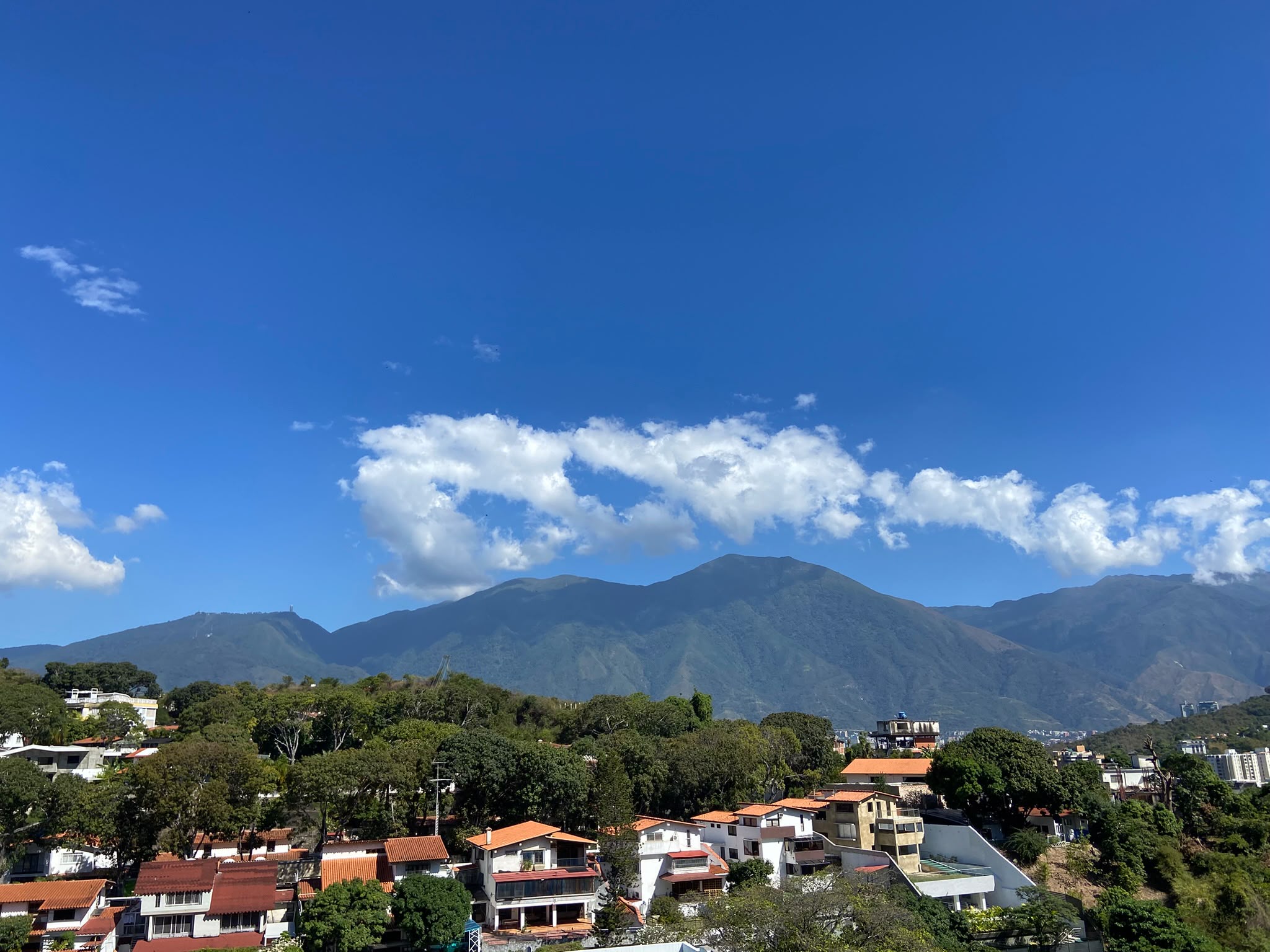
The Ávila and the Humboldt Hotel: The defining Caracas experience. The Waraira Repano Teleférico (Ávila cable car) lifts you from the Maripérez station at the city's northern edge to the summit in approximately 12 minutes. At the top, the Hotel Humboldt is a 1950s Bauhaus-style relic built by the government of Marcos Pérez Jiménez, perched at 2,105 metres with a panoramic view south over the entire Caracas valley. The hotel has two restaurants: one more expensive and one more affordable. Going for dinner or drinks via cable car as the city lights appear below is one of the most distinctive evenings in Caracas and should not be skipped. Check cable car operating days (typically Wednesday to Sunday) and book restaurant tables in advance.
Galipán: The alternative to the Humboldt. Rather than the cable car, take a jeep from the Chacao side up the winding mountain track to Galipán, a small village on the northern slopes of the Ávila with views over both the Caracas valley and down toward the Caribbean coast. Restaurants including Il Picaccio and Casa Pakea serve lunch and dinner in this setting; the approach is to arrive mid-morning and spend the whole afternoon eating, drinking and taking in the views before descending in the evening. This is a full-afternoon commitment and is a completely different experience from the Humboldt even though both are on the same mountain. Both are worth doing on separate days if you have the time.
Hiking the Ávila: Three main options from the city side. Sabas Nieves is the most accessible: entered from the Altamira neighbourhood, approximately one hour up to a viewpoint at 1,600 metres through cloud forest, well-marked and popular with local joggers and walkers on weekend mornings. El Volcán is a longer and more demanding route with beautiful open views over the Caracas valley from different angles; allow half a day. The full hike to the Humboldt Hotel on foot takes approximately six hours and is for confident hikers; it is possible, it has been done frequently, and it ends at the same destination as the cable car but through a full day of forest and ridge walking. Go in a group for any Ávila hiking, go in the morning, and ask your hotel for a current safety assessment before setting out.
Mercado de Chacao: Open from early morning to approximately 3 pm. Go before noon. The market has traditional chicha (a sweet, slightly fermented corn drink, one of the essential Caracas flavours), corn cakes and tropical fruit. At night the rooftop level has several restaurants worth visiting for a casual dinner in the neighbourhood. The Mercado de Los Palos Grandes, a few streets east, runs on Saturday mornings and is where the best cachapas in the city are made: thick, sweet corn pancakes eaten with queso de mano or mortadella from a griddle, the definitive Caracas weekend breakfast. If you are in Caracas on a Saturday, this market is non-negotiable.
Historic centre: The birthplace of Simón Bolívar (Casa Natal del Libertador) on Plaza El venezolano is a two-room colonial house where the Liberator was born in 1783, now a museum. The National Assembly and the Palacio Federal Legislativo are nearby. The National Gallery (Galería de Arte Nacional) holds the strongest collection of Venezuelan art across five centuries. Take a Ridery or Yummy Rides rather than walking from Chacao; the distance and the neighbourhood transitions make walking inadvisable.
La Guaira beach day: Caracas sits 28 km from the Caribbean coast by road. For a beach day, head to Naiguatá and the beaches east of there: Playa Los Ángeles and Playa Pantaleta are quieter and less crowded than the beaches closer to the city. For surfing, Los Caracas (approximately one hour from Chacao along the coastal road) has consistent breaks. Use a Ridery driver who knows the coastal road rather than renting independently; the mountain road from Caracas to the coast rewards local knowledge.
Hacienda Santa Teresa: An hour and a half from Caracas by road, Hacienda Santa Teresa is one of the oldest rum producers in Venezuela, operating since 1796. The hacienda runs fully planned tours of the grounds and distillery, with options including rum tasting, cocktail-making classes and, unusually, the opportunity to play rugby (the hacienda has a long association with the sport through a community programme it runs). This is a bookable, structured half-day or full-day excursion and is one of the most specific and memorable experiences available in the greater Caracas area. Book directly through the hacienda's website before arriving; tours run on set schedules.
Baseball: Venezuelan baseball runs from October to February. If your visit falls within this window, attending a game is essential; baseball in Venezuela is the cultural equivalent of football in Brazil, a sport so woven into the country's identity that a night at the stadium gives you more insight into Venezuelan life than almost anything else on the itinerary. The two main Caracas teams are Leones del Caracas (Lions) and Tiburones de La Guaira (Sharks). Games are played at the Estadio Monumental and the Estadio Universitario; the most atmospheric fixture is Leones vs Tiburones or Leones vs Magallanes (from Maracay, the most historically significant rivalry in the league). Buy tickets in advance through local contacts or your hotel concierge.
Evenings: The Pagan Temples Route (Ruta de los Templos Paganos) is the main salsa and dancing circuit, a strip of venues in Las Mercedes that runs Thursday to Saturday. For a lower-key night: La Excelente and El León are both in Chacao, both excellent for beers and karaoke, and both beloved local institutions with none of the tourist-facing posture of the Las Mercedes strip. Modo in Chacao is the more upscale evening option. Use Ridery or Yummy Rides for all of these; walking home at night is not recommended.
 Terra Nova Collective