 Terra Nova Collective
San Blas and the Guna Yala Islands
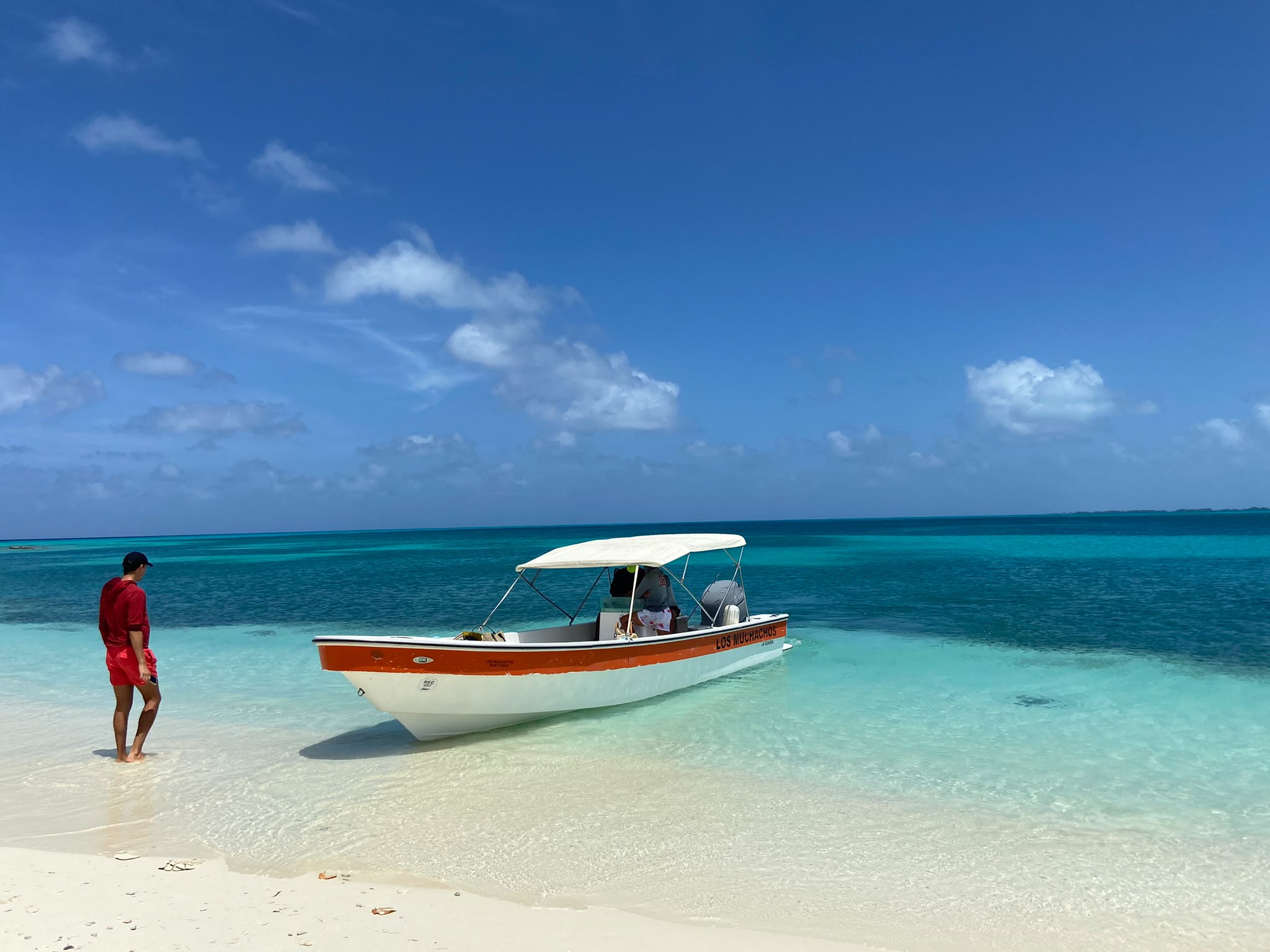
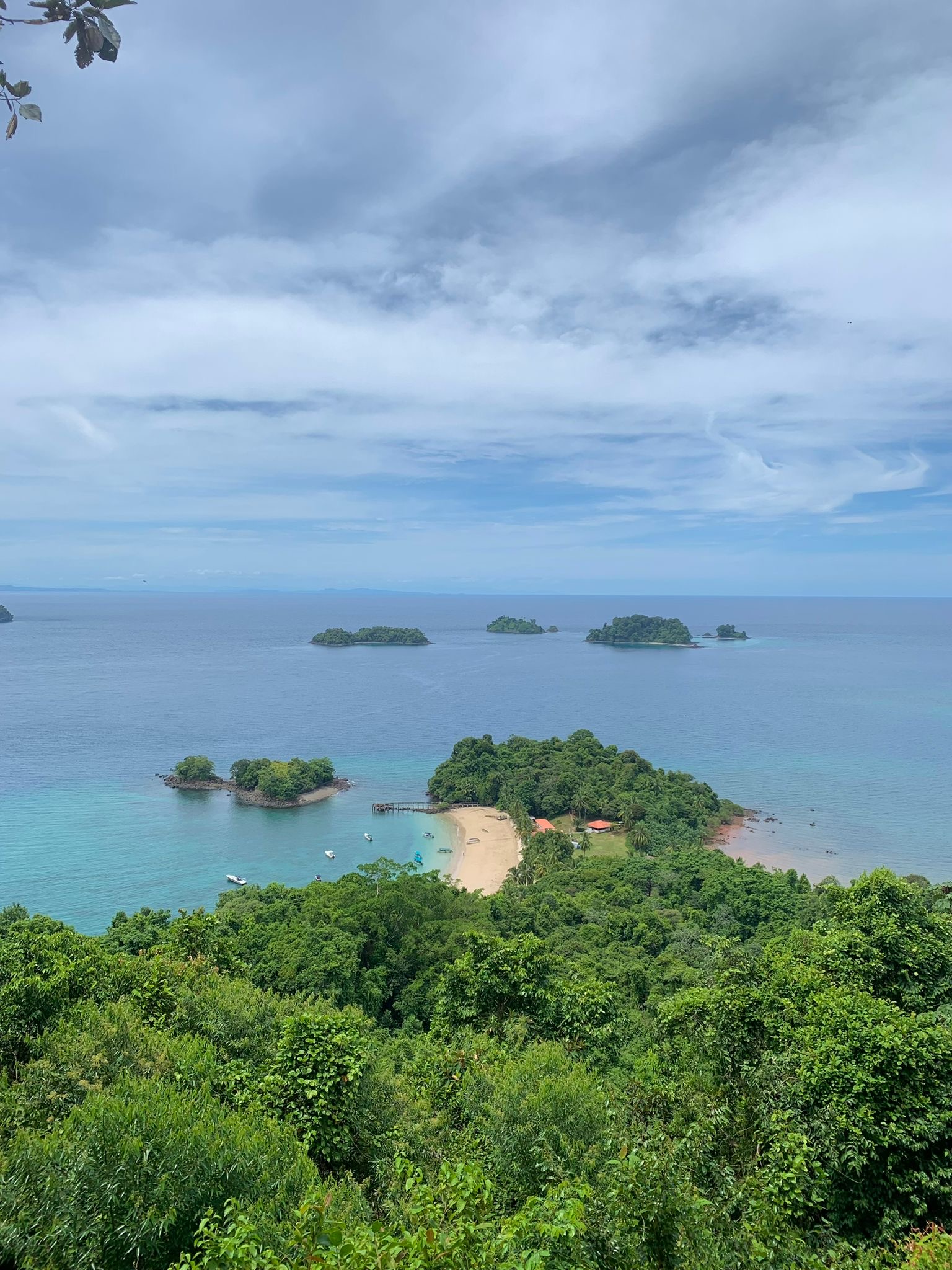
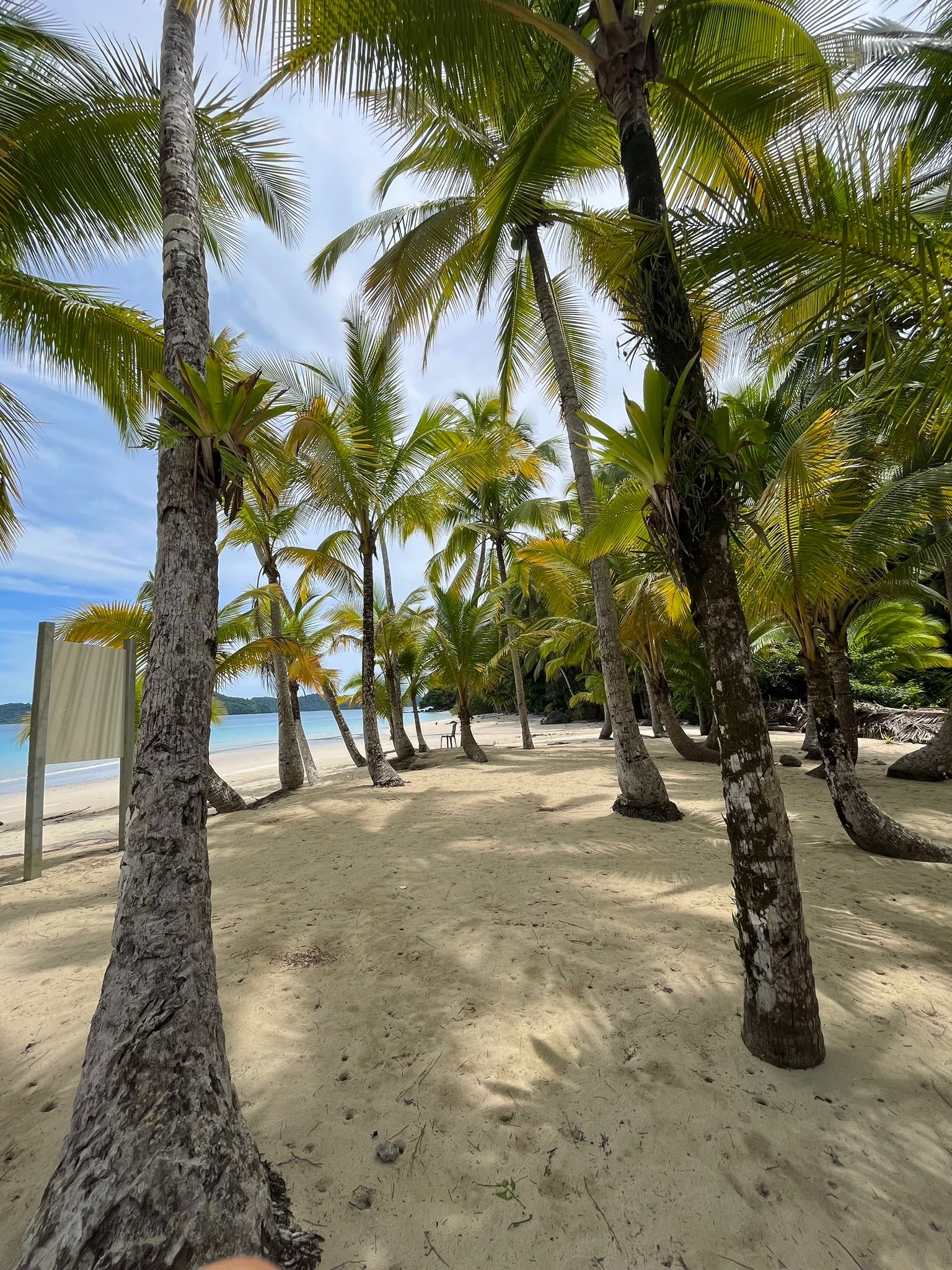
A chain of over 300 coral islands run by the Guna people, where life revolves around fishing, coconut trading and tide cycles. No resorts, no roads, no crowds, just turquoise water and palm covered sandbanks.
Caribbean Islets, Cloud Forests and Pacific Surf
A 10 day journey across Panama’s wild contrasts, from the remote Kuna Yala islands of San Blas to Caribbean Bocas del Toro, into the cooler mountains of Boquete, and down to the Pacific surf town of Santa Catalina.
Panama is a natural bridge between two oceans and two worlds. This itinerary moves slowly across the country from east to west, revealing how dramatically landscapes and cultures shift across short distances. It begins in the San Blas Islands, a semi autonomous indigenous territory where small coral islands are ruled by the Guna people and time moves to the pace of tides and fishing boats.
From there, the route continues along the Caribbean coast to Bocas del Toro, a lively Afro Caribbean archipelago of mangroves, reef breaks and backpacker towns. After the coast, the journey climbs into Panama’s cooler highlands in Boquete, a cloud forest town known for coffee, waterfalls and fresh mountain air.The final leg heads to the Pacific coast and Santa Catalina, a rugged fishing village turned surf base, also the gateway to Coiba National Park. The result is a compact but incredibly varied exploration of Panama’s nature, cultures and rhythms.
This route is ideal for travellers who want tropical islands without resorts, jungles without crowds, and surf towns that still feel local. Transport is by small planes, shuttle vans and local buses. Infrastructure is simple but reliable. Spanish is widely spoken, cash is essential outside cities, and weather is hot and humid year round with heavy rain possible from May to November.
A chain of over 300 coral islands run by the Guna people, where life revolves around fishing, coconut trading and tide cycles. No resorts, no roads, no crowds, just turquoise water and palm covered sandbanks.
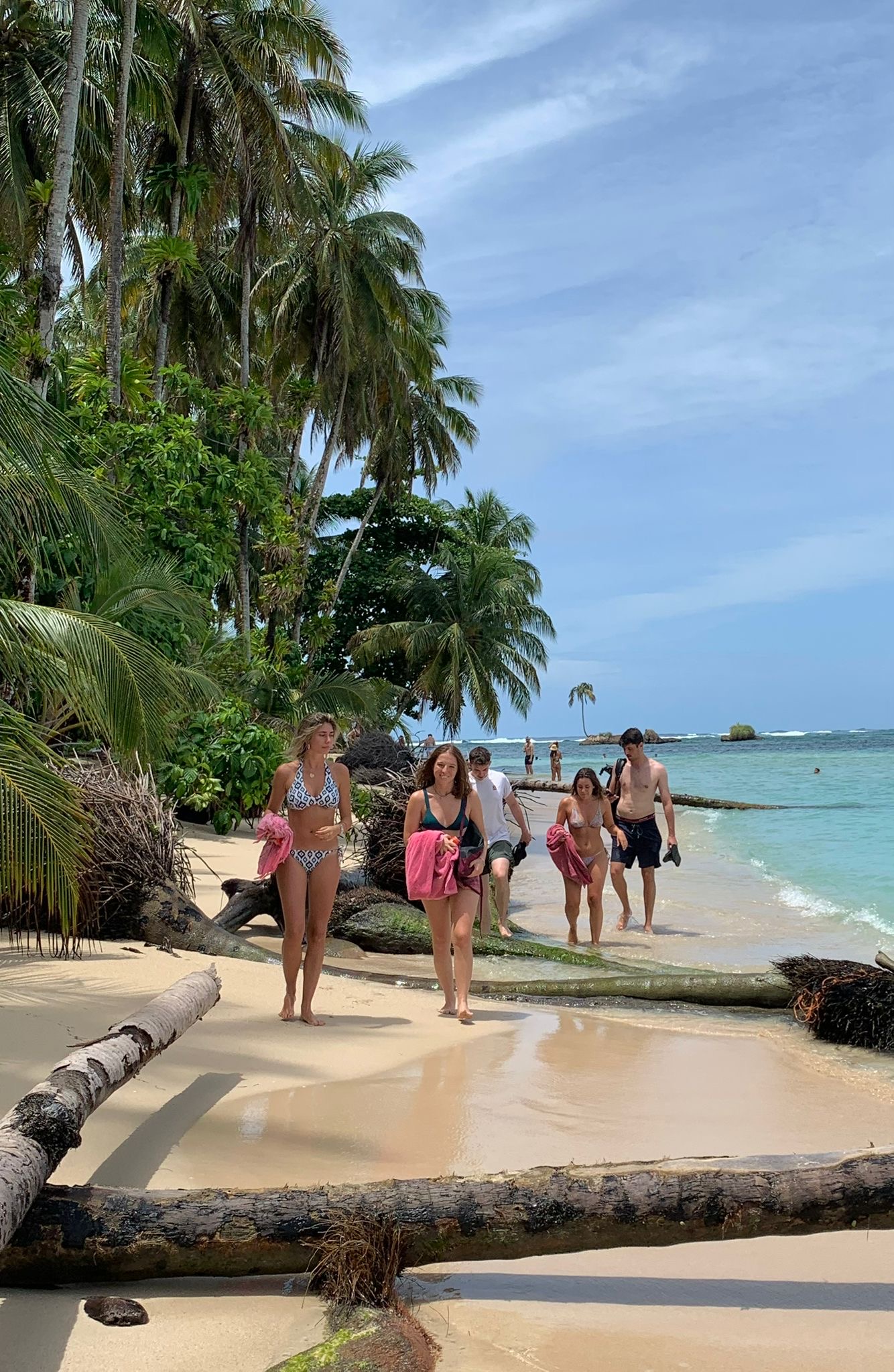
An Afro Caribbean archipelago of mangroves, sloth filled islands, reef breaks and relaxed island towns. A place to slow down, snorkel, surf and ferry between jungle islands.
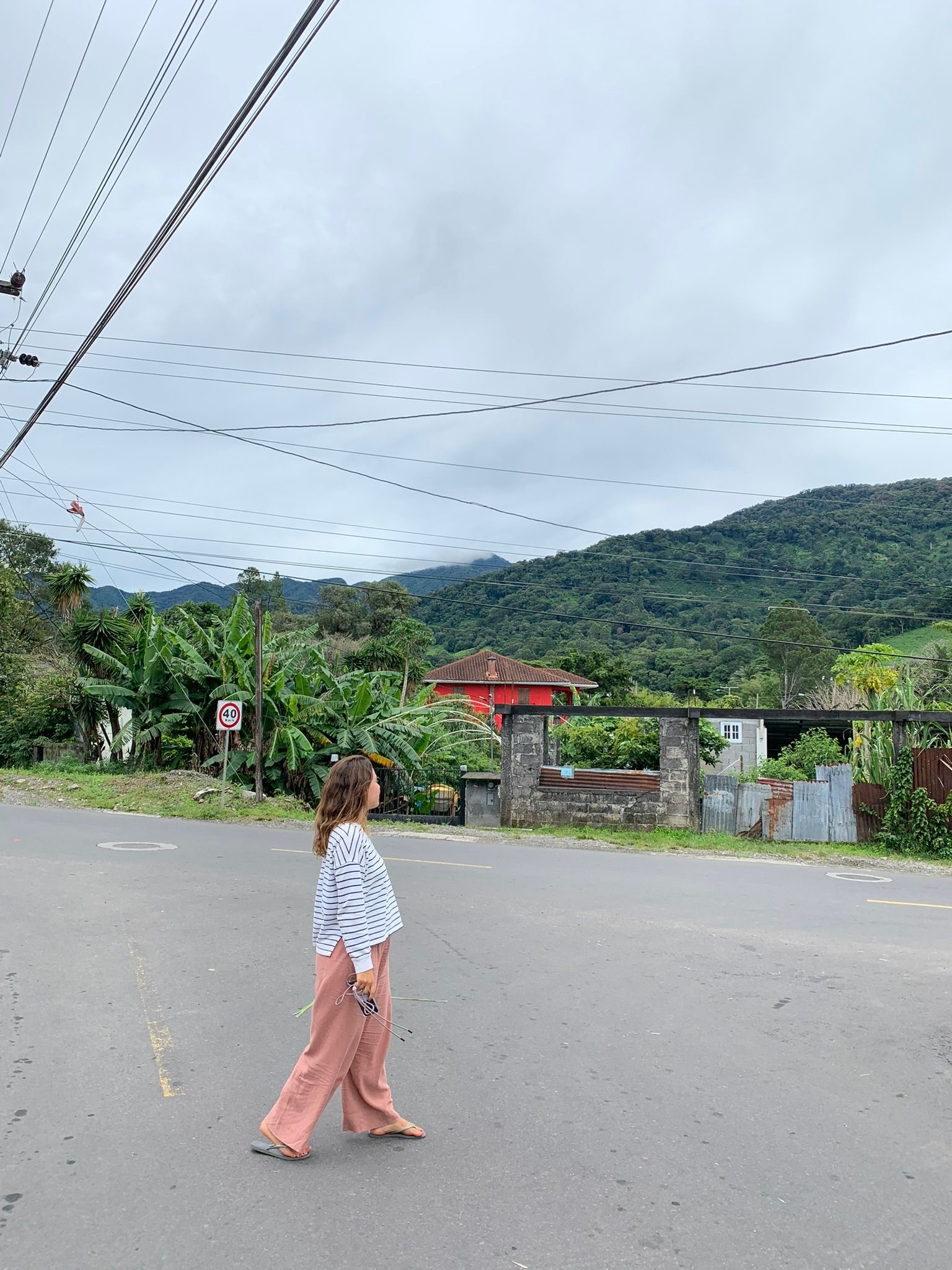
Cooler mountain air, orchid lined trails, waterfalls and some of Central America’s highest quality coffee plantations inside misty cloud forests
Day 1: Panama City / early 4x4 transfer through Guna Yala territory, Caribbean coast boat and San Blas island arrival
Day 2: San Blas / island hopping between uninhabited cays, snorkelling, coconut water and grilled fish under a starlit sky
Day 3: San Blas to Bocas del Toro / return 4x4 to Panama City, domestic flight or overnight bus to Bocas, late arrival
Day 4: Bocas del Toro / water taxi to Bastimentos National Marine Park, beaches, reef snorkelling and Bocas Town evening
Day 5: Bocas del Toro / full day tour to Dolphin Bay, Hospital Point coral reef and Afro-Caribbean coastal culture
Day 6: Bocas del Toro to Boquete / overland to the highlands, cooling air, coffee town arrival and riverside walk
Day 7: Boquete / cloud forest waterfall hike, orchids and suspension bridges, afternoon coffee estate tour and tasting
Day 8: Boquete to Santa Catalina / Pacific coast crossing, fishing village arrival and Pacific sunset
Day 9: Santa Catalina / surf the reef and point breaks or full day boat tour to Coiba National Park
Day 10: Santa Catalina to Panama City / Pacific Highway return and departure
The first part of the day-by-day route, free to read.
The day starts well before dawn. Your 4x4 pickup from your Panama City hotel is between 5 and 5:30 am; in high season this shifts to 4:30 am to allow for the Nusagandí/Guna checkpoint queue. Set your alarm accordingly and pack everything the night before.
The route heads east on the Pan-American Highway then turns north through the dense forest of the Serranía de San Blas, climbing the spine of the cordillera before descending two and a half hours later to the small port of Cartí on the Caribbean coast. The road is paved now and significantly improved from a decade ago, but the descent through the rainforest remains dramatic and the constant curves make motion sickness medication worth taking if you are at all susceptible. Bring snacks and water from Panama City; there are no reliable stops on the route.
Before reaching the coast you pass through the official Guna Yala border checkpoint. Have your original passport ready; copies and photographs are not accepted. The Guna Yala entry fee is $22 per person, paid in cash. This is a real border crossing into autonomous indigenous territory. There is also a $2 port tax at the coastal embarkation point. There are no ATMs anywhere in San Blas; bring all the cash you will need for fees, drinks, snacks, and any souvenirs before leaving Panama City.
From the coastal port, a Guna boat carries you to your chosen island, typically twenty to ninety minutes depending on the destination. Waterproof your bags; the open boats move fast and spray is inevitable. The moment the islands come into view the logic of the early start becomes clear: dozens of flat coral islands, each fringed by white sand and palm trees, scattered across shallow turquoise water that deepens gradually toward the open Caribbean. The Guna Yala archipelago covers 365 islands, of which approximately forty are inhabited; the rest are uninhabited, accessible only by boat, and available as day trip destinations.
A visit to Guna Yala is a privilege extended by the Guna people on terms they themselves set. You travel with Guna-licensed operators, stay in Guna-run cabanas on Guna-owned islands, pay community fees at multiple checkpoints, and ask permission before photographing people. The Guna are one of the few indigenous groups in Central America who maintained genuine political autonomy; the comarca has its own governance structures, its own entry regulations, and its own tourism rules. This is not a curated resort experience; it is a visit to a functioning autonomous territory that has chosen to open parts of itself to tourism on its own terms.
Arrival at your island is as simple as the water gets. No paved roads, no shops beyond coconut sellers, no electricity after dark. Your accommodation is likely a handful of wooden cabanas on sand barely elevated above the waterline. Spend the afternoon adjusting: swim in the shallow water, watch the fishermen, eat grilled fish and rice for dinner, and look at a sky with absolutely no light competition.
£12.99
One-time payment
Unlock this itineraryInstant access. You'll confirm at checkout that this ends your 14-day right to cancel. Terms
Already bought it? Log in
You own this itinerary.
Open the full itinerary“Panama is very under-rated! Everyone goes to Costa Rica but right next door is a country that has equal (if not better) natural beauty but is not overrun by tourists and prices are still good! I highly recommend.”
“Bocas was the perfect transition between wild island life and mountain forests. The nature there was incredible. I cannot believe so few people know about it.”
“The food scene was awesome. Never have I had better fresh fish!”