 Terra Nova Collective
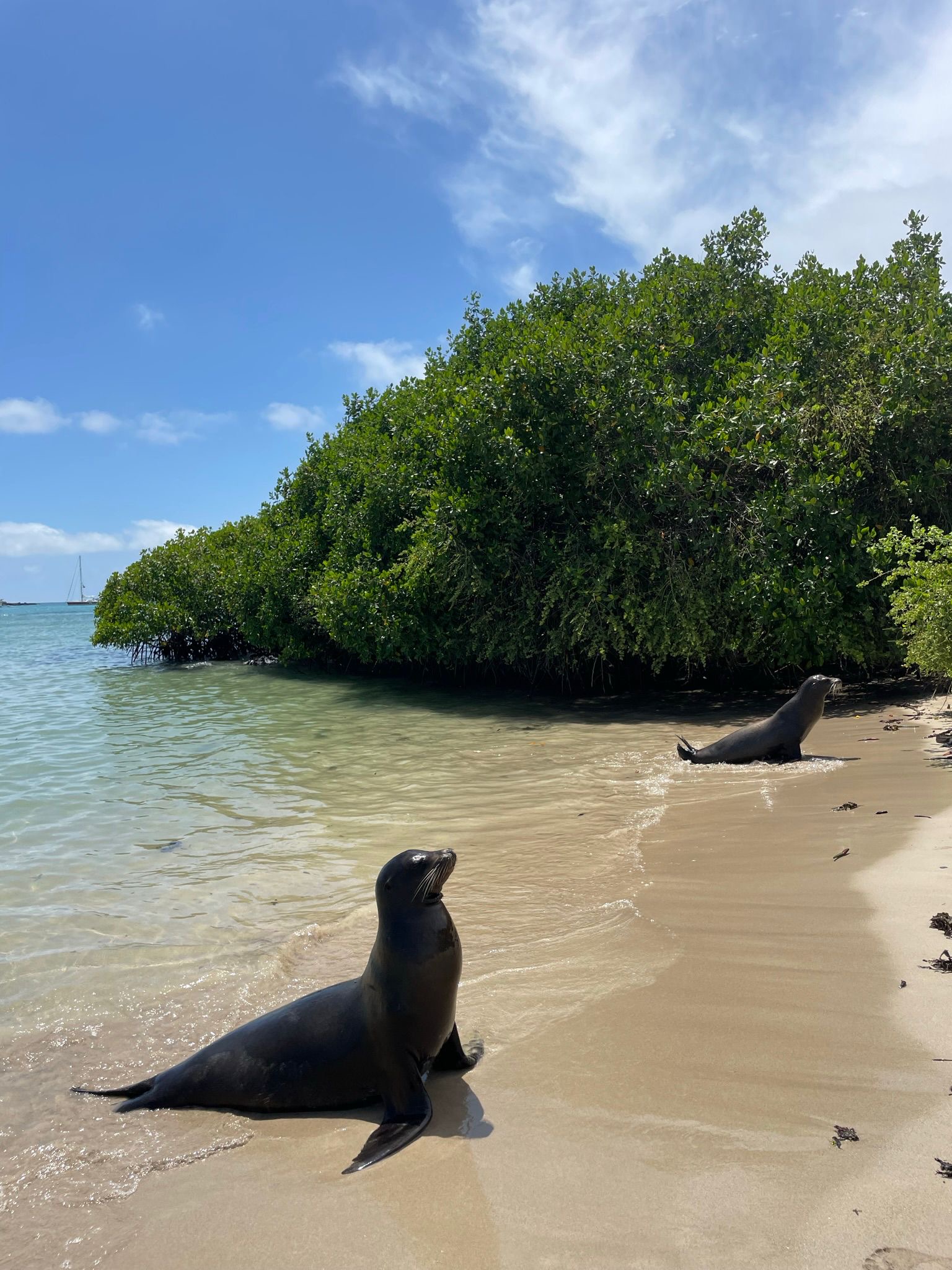
Wildlife without barriers in the Galápagos
Sea lions nap on benches, marine iguanas block footpaths, and sharks cruise beneath you while snorkelling. The Galápagos do not perform for humans. They simply exist alongside you.
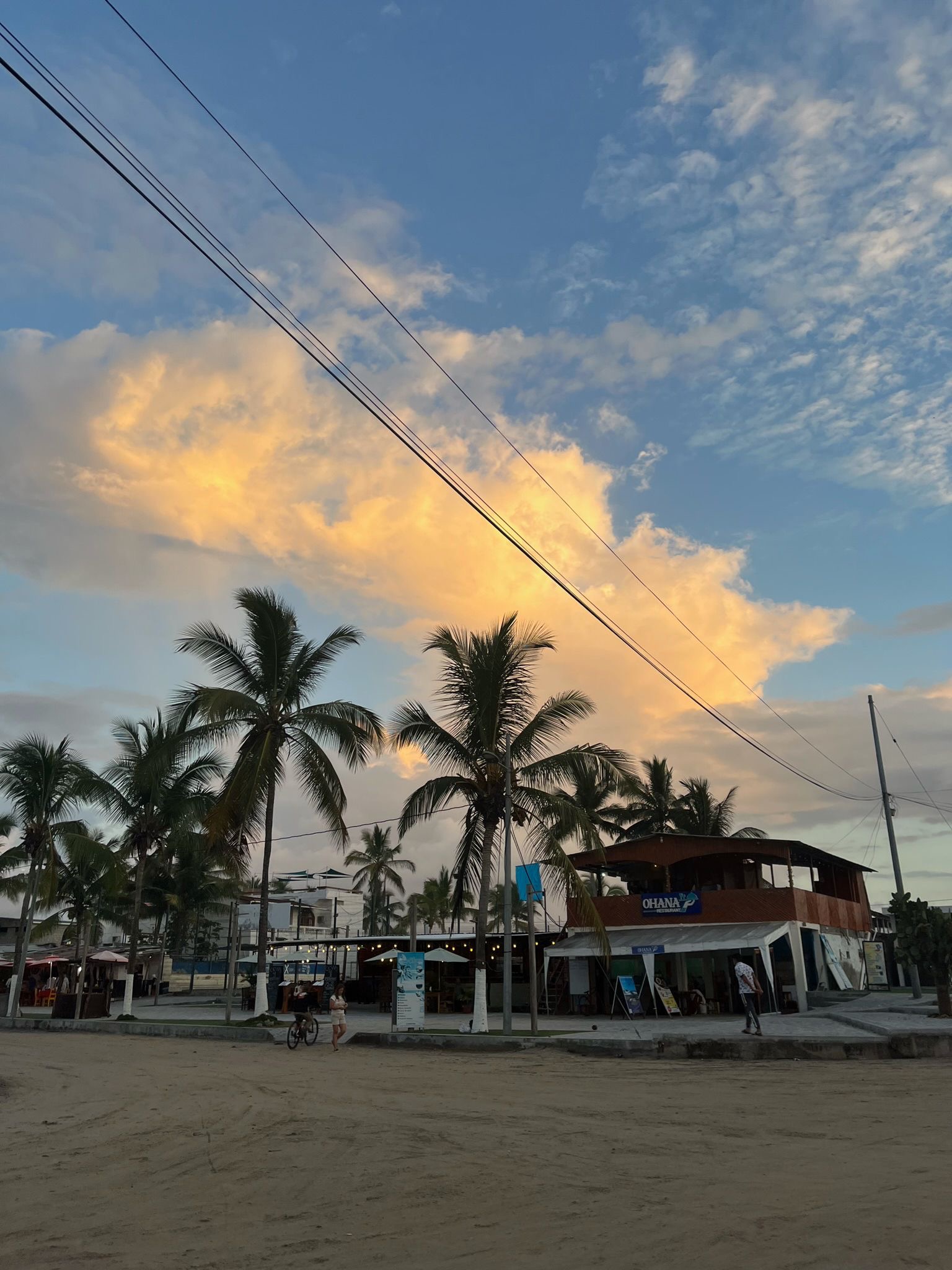
Enchanted Isles & Deep Green at the Equator
From high-altitude colonial streets in Quito to the wildlife-packed Galápagos Islands and the deep, humid silence of the Amazon rainforest.
Ecuador fits three completely different ecosystems into one trip. You begin in Quito, a Baroque colonial capital sitting at 2,850 metres in a valley of the Andes, where the altitude slows you down on day one and the rooftop views, chocolate workshops and market culture keep you busy after that.
From Quito you fly west to the Galápagos Islands, an archipelago 1,000 kilometres off the coast that sits on three meeting ocean currents and supports wildlife found nowhere else on Earth. Marine iguanas, giant tortoises, blue-footed boobies and Galápagos sea lions have evolved without land predators and show almost no fear of people. You move between Santa Cruz, San Cristóbal and Isabela by speedboat, snorkelling with sea lions, diving at Kicker Rock and walking through landscapes that look like the planet before humans arrived.
Then you go east, completely reversing the logic of the trip. The Amazon basin begins on the other side of the Andes and requires either a flight into Coca or a road transfer to the Cuyabeno region. At a jungle lodge you trade altitude for humidity, city noise for constant biological sound, and sightseeing for something more patient: canoe trips through flooded forest, guided night walks, community visits and the kind of wildlife that requires stillness rather than movement to find.
This itinerary is designed for travellers who want depth rather than speed. Quito is not rushed but revisited, allowing you to see it before and after the wildest parts of the journey. The Galápagos are treated as a once-in-a-lifetime immersion rather than a rushed island hop. The Amazon is given proper time, long enough for the forest to stop feeling exotic and start feeling alive. Ecuador rewards patience, curiosity, and a willingness to lean into contrast.
Sea lions nap on benches, marine iguanas block footpaths, and sharks cruise beneath you while snorkelling. The Galápagos do not perform for humans. They simply exist alongside you.
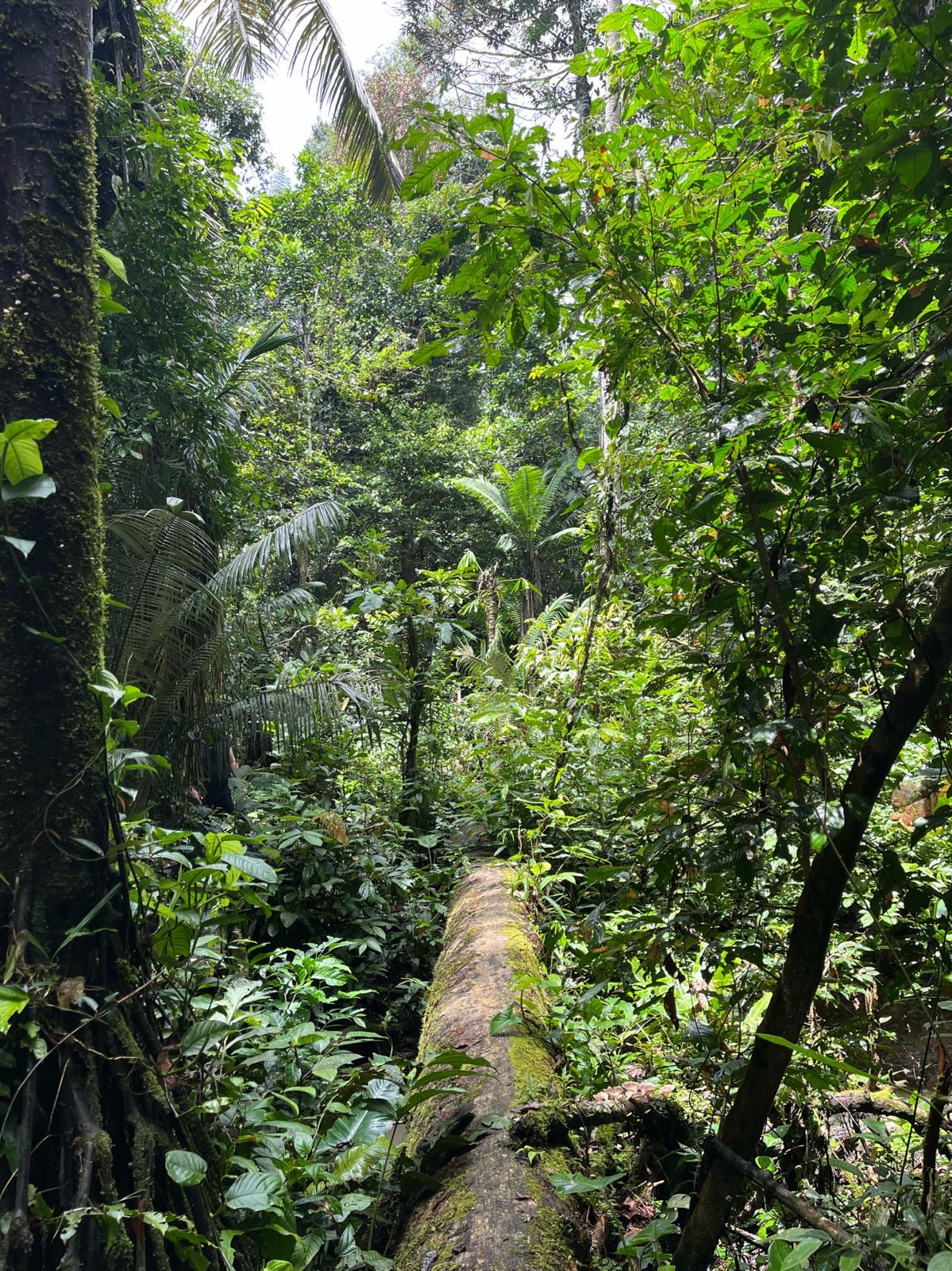
Night walks reveal glowing eyes, insects that sound mechanical, and a jungle that never sleeps. Few experiences recalibrate your sense of nature like sleeping deep in the rainforest.
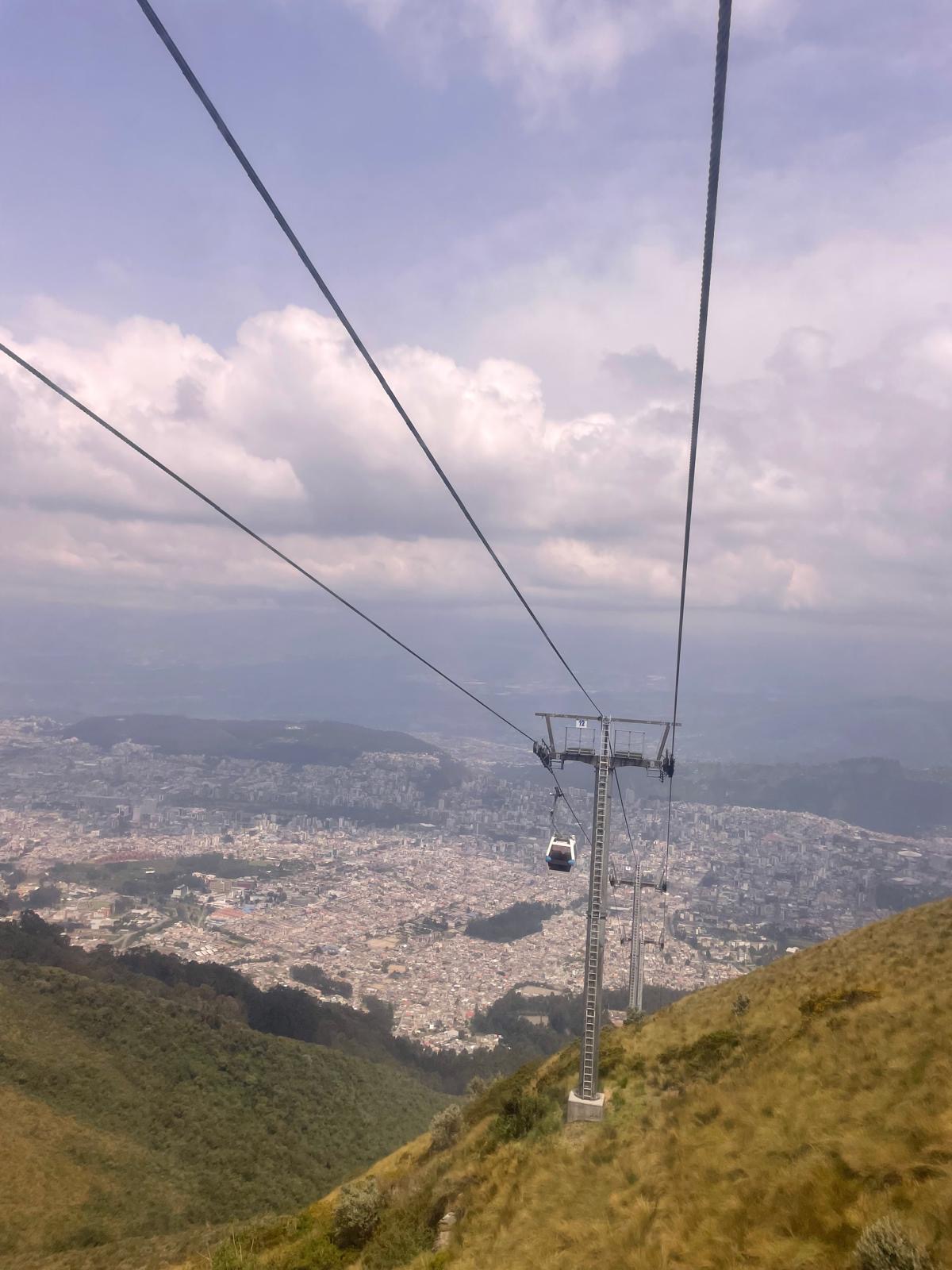
Cable cars lift you above the city, while markets and courtyards pull you deep inside it. Quito is both expansive and intimate, especially when used as a slow base rather than a rush stop.
Day 1: Arrive in Quito / settle into the Old Town
Day 2: Quito / walking tour, Plaza Grande and rooftop sundowners
Day 3: Fly to the Galápagos / Santa Cruz arrival and first wildlife encounters
Day 4: Galápagos / Santa Cruz, Tortuga Bay and the Charles Darwin Research Station
Day 5: Boat to San Cristóbal / sea lions and the harbour scene
Day 6: Galápagos / scuba or snorkel at Kicker Rock
Day 7: Boat to Isabela / volcanoes, tortoises and quiet beaches
Day 8: Galápagos / Isabela day, Sierra Negra volcano or Los Túneles snorkel
Day 9: Boat back to Santa Cruz / final island dayDay 10: Fly back to Quito / chocolate making and rest
Day 11: Quito / Teleférico cable car, Otavalo market or city walk
Day 12: Fly into the Amazon / canoe transfer to the lodge
Day 13: Amazon / canopy walks, oxbow lakes and night walks
Day 14: Amazon / wildlife day, indigenous community visit
Day 15: Amazon / final jungle morning, fly back to Quito
Day 16: Quito / Casa del Alabado, La Floresta walk
Day 17: Quito / final rest day, last meals
Day 18: Departure
The first part of the day-by-day route, free to read.
Quito's Mariscal Sucre International Airport (UIO) sits northeast of the city at 2,400 metres above sea level. Taxis from the airport to the Old Town or La Mariscal district take 30 to 45 minutes; use official yellow cabs from the rank outside arrivals or book an app-based transfer through InDriver or Uber, which both operate in Quito. Agree the fare before getting in a yellow cab; the standard to central Quito runs around $25 to $35. Most accommodation is in either the Old Town (Centro Histórico) or the New Town neighbourhood of La Mariscal; the Old Town is the more atmospheric base for the first two days but can be noisy, while La Mariscal has more restaurants, bars and hostels in a more modern setting.
The altitude is the most important thing to manage on arrival. At 2,850 metres, Quito is one of the highest capital cities in the world. Most travellers feel the altitude on day one: slower breathing, mild headache, disrupted sleep, reduced appetite. Do not fight it. Drink coca tea (offered at most hotels, available everywhere), hydrate well, avoid alcohol on the first night, and go to bed early. The adjustment happens within 24 to 48 hours for most people and should not be used as a reason to see less; it should be used as a reason to plan the first day lightly.
Check in, eat something simple close to your accommodation, and sleep.
Day 2: Quito Old Town walking tour, Plaza Grande and rooftop sundowners
Quito's Centro Histórico was the first city in the world to receive UNESCO World Heritage status in 1978, jointly with Kraków. The designation was based on the density and preservation of its colonial architecture: 32 museums, 24 churches, 7 convents and 13 plazas within a walkable grid of cobblestone streets that has changed remarkably little since the 18th century. Walk rather than taxi throughout the day.
Start at the Basílica del Voto Nacional at the northern end of the Old Town. This is the largest neo-Gothic church in Latin America, built slowly over several decades from 1892 onward and still technically unfinished; Ecuadorian legend holds that the country will face catastrophe when the church is finally completed, so construction has been deliberately slow. The gargoyles on the facade are replaced by Galapagean iguanas, tortoises and condors. Climb the central tower for the best elevated view over the Old Town rooftops and the surrounding volcanoes; the interior staircases and ladders are vertiginous and extremely narrow. Entry approximately $4.
Walk south along García Moreno to Plaza Grande (Plaza de la Independencia), the historical and ceremonial heart of the city. The presidential palace (Palacio de Carondelet) on the west side offers free guided tours in English and Spanish; register at the small booth to the left of the main entrance. The Metropolitan Cathedral on the south side dates from 1572 and contains the tombs of several Ecuadorian presidents; look for the Last Supper painting inside which depicts Jesus eating cuy (guinea pig), the Ecuadorian national delicacy.
Walk east one block to La Compañía de Jesús, the Jesuit church built between 1605 and 1765. The interior is covered in an estimated seven tonnes of gold leaf applied over hammered and carved surfaces. It is one of the most visually overwhelming church interiors in Latin America; the phrase "more gold than the sun" gets used frequently and is not entirely inaccurate. Entry approximately $5.
Continue south to the Plaza and Monastery of San Francisco, the oldest religious complex in South America (construction began in 1535, two days after the Spanish founding of Quito). The cloister museum contains an important collection of the Quito School of colonial religious art, a distinct Latin American style that blended European Baroque technique with indigenous materials and subject matter.
For lunch: the Palacio Arzobispal (Archbishop's Palace) on the east side of Plaza Grande contains a courtyard arcade of small restaurants and cafés at ground level. Eating empanadas and seco de pollo in a 16th-century courtyard two minutes from the main square is one of the more enjoyable Quito experiences.
In the afternoon, the Casa del Alabado archaeological museum, a few blocks southwest of Plaza Grande, houses one of the finest collections of pre-Columbian Ecuadorian art in the country, displayed in a beautifully restored colonial house. Entry approximately $8, guided tours in English available. Allow 90 minutes.
Sundowners: take a taxi up to Café Mosaico on Itchimbía hill, east of the Old Town. The terrace looks west over the entire colonial centre with Volcán Pichincha behind it and the city spreading south. Order a craft beer or a chicha sour and watch the light go pink over the rooftops. Café del Fraile, in a courtyard off Plaza de la Independencia, is the alternative for something closer to the action.
£12.99
One-time payment
Unlock this itineraryInstant access. You'll confirm at checkout that this ends your 14-day right to cancel. Terms
Already bought it? Log in
You own this itinerary.
Open the full itinerary“The Galápagos felt like stepping into a nature documentary where humans were clearly not the main character.”
“Waking up in the Amazon to a wall of sound completely changed how I think about nature.”
“Quito surprised me most. Between the views, food, and ease of travel, it became the anchor that held the whole trip together.”