 Terra Nova Collective
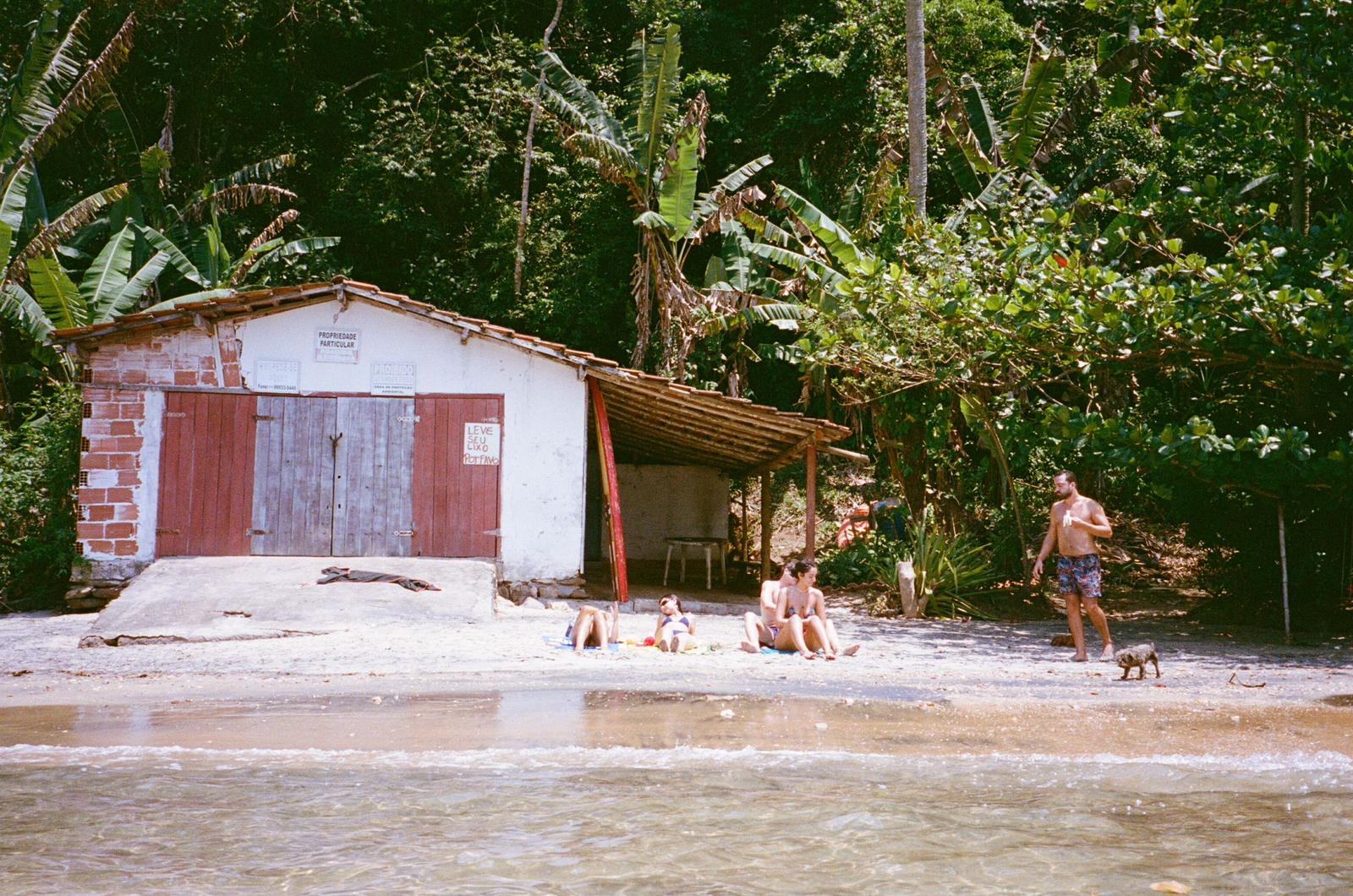
Ilha Grande’s Car-Free Rainforest Coast
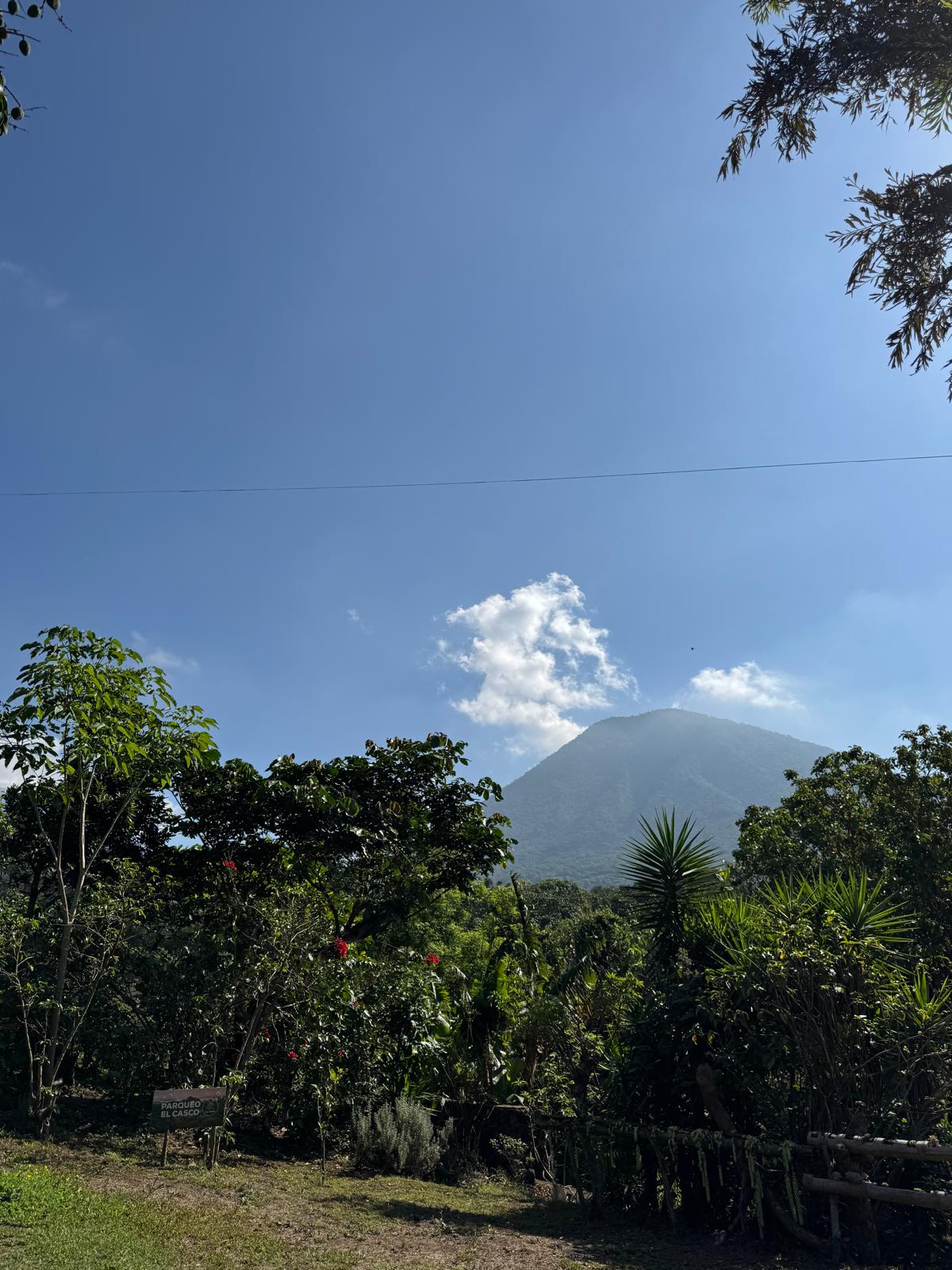
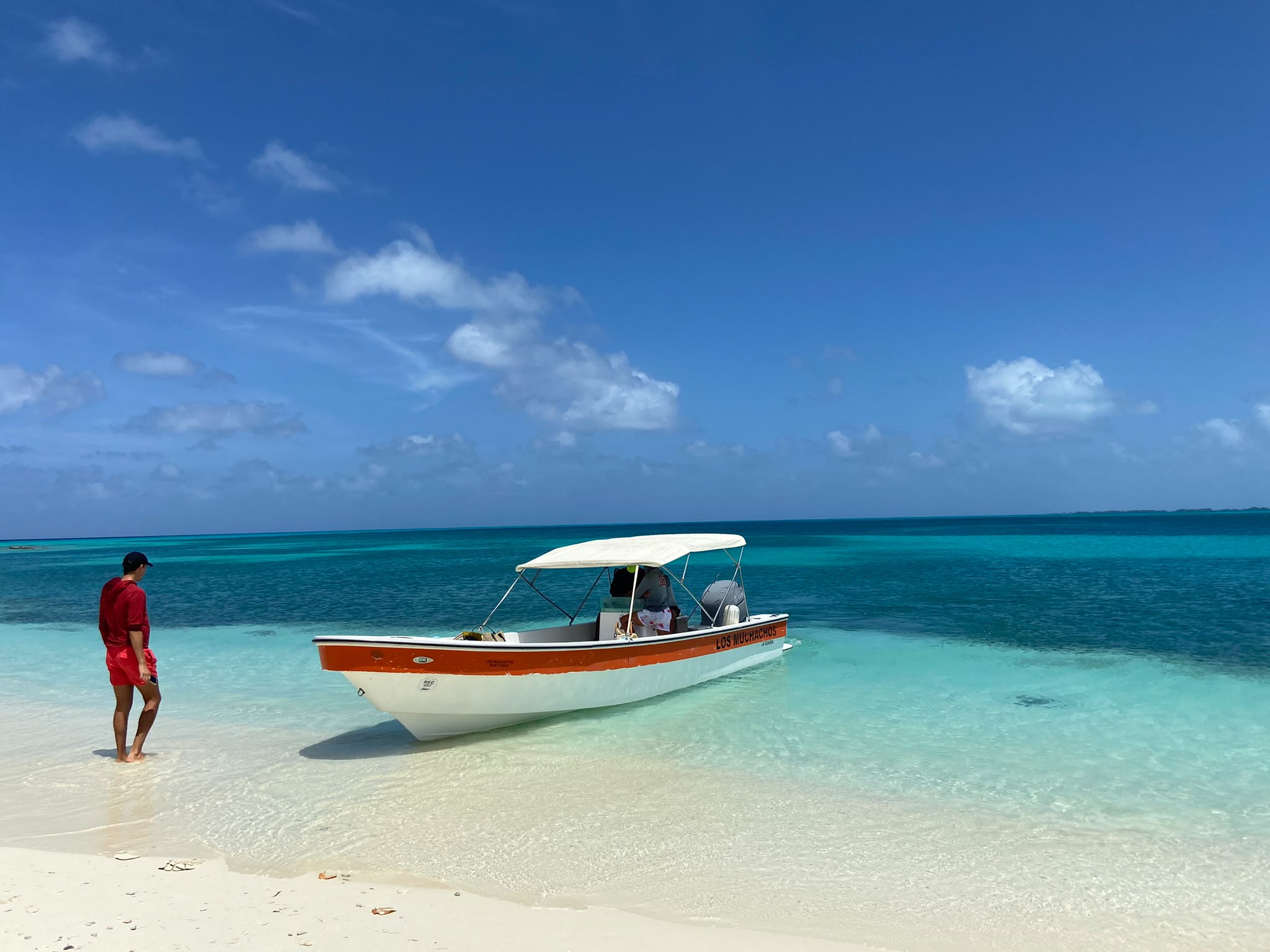
A protected Atlantic rainforest island with no cars, where waterfalls spill into jungle trails and turquoise cove beaches are reached only by foot or boat.
Cities, Rainforests & Atlantic Islands
A cross-country Brazilian journey from the cultural depth of São Paulo to the green isolation of Ilha Grande, the historic streets of Rio de Janeiro, and the surf coast of Bahia.
This Brazil route starts in São Paulo, the cultural and economic heart of the nation, where art, music and nightlife set the tone. It then slows down through coastal Santos and the jungle-backed village of Paraty Mirim, before opening into the car-free wilderness of Ilha GrandThis Brazil route starts in São Paulo, the cultural and economic engine of the country, where world-class electronic music, serious art museums and one of the most creative restaurant scenes in Latin America set the tone for what follows. It then slows through coastal Santos, the jungle-backed village of Paraty Mirim and the car-free rainforest island of Ilha Grande before dropping into Rio de Janeiro for iconic landscapes, layered history and nightlife that runs until the families arrive on the beach at dawn.
From Rio the route goes south before going north. Florianópolis, a city-island in Santa Catarina with over forty beaches, a strong surf culture and an oyster-farming coastline, provides a few days of southern Brazilian beach life at a pace Rio never allows. From there the route swings west to Foz do Iguaçu, where 275 waterfalls spanning nearly three kilometres sit on the triple border of Brazil, Argentina and Paraguay. Seeing both sides, the Brazilian panoramic rim and the Argentine immersive trails with their boat ride under the falls, takes two days and is one of the most genuinely overwhelming natural experiences in South America.
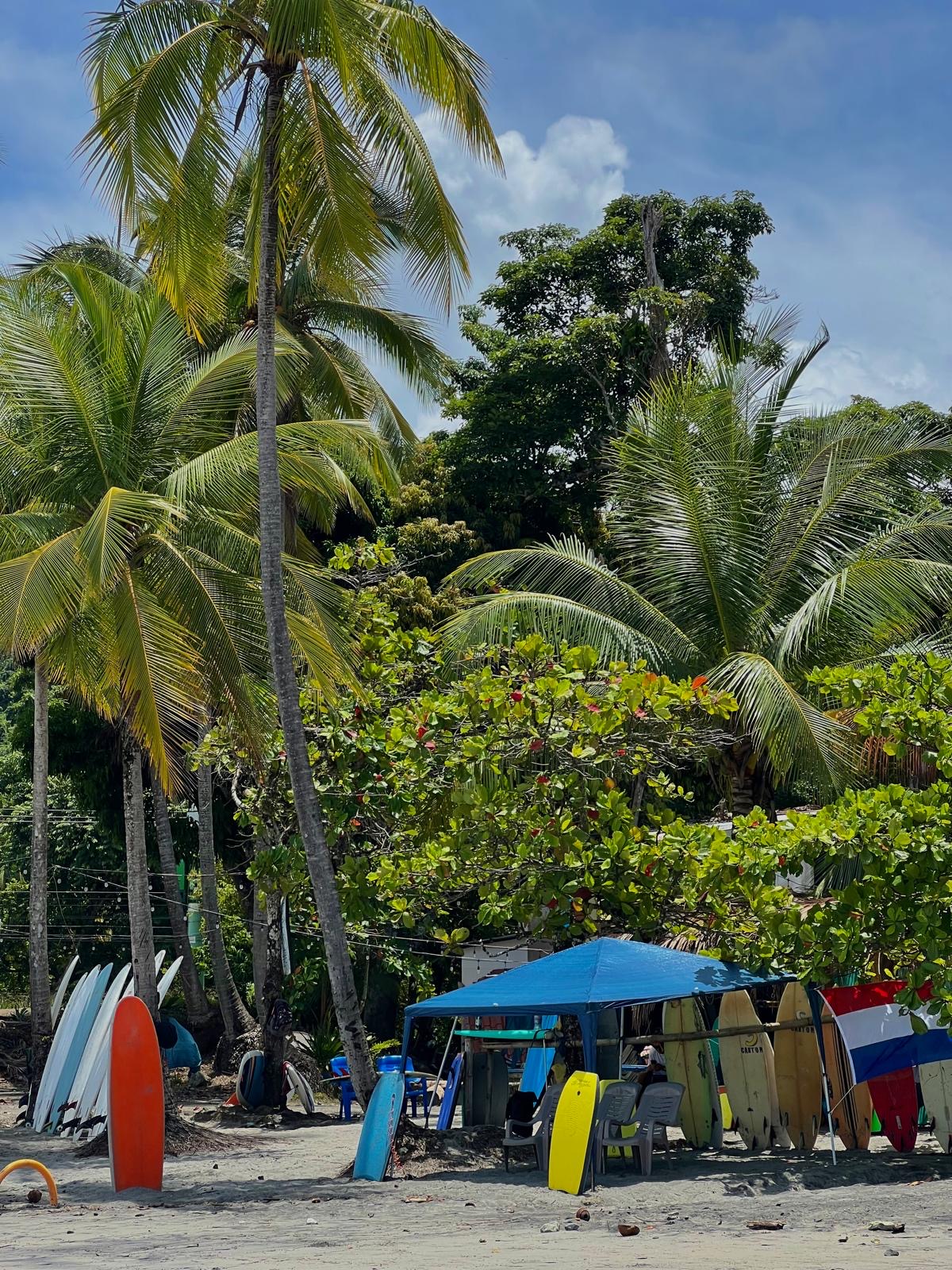
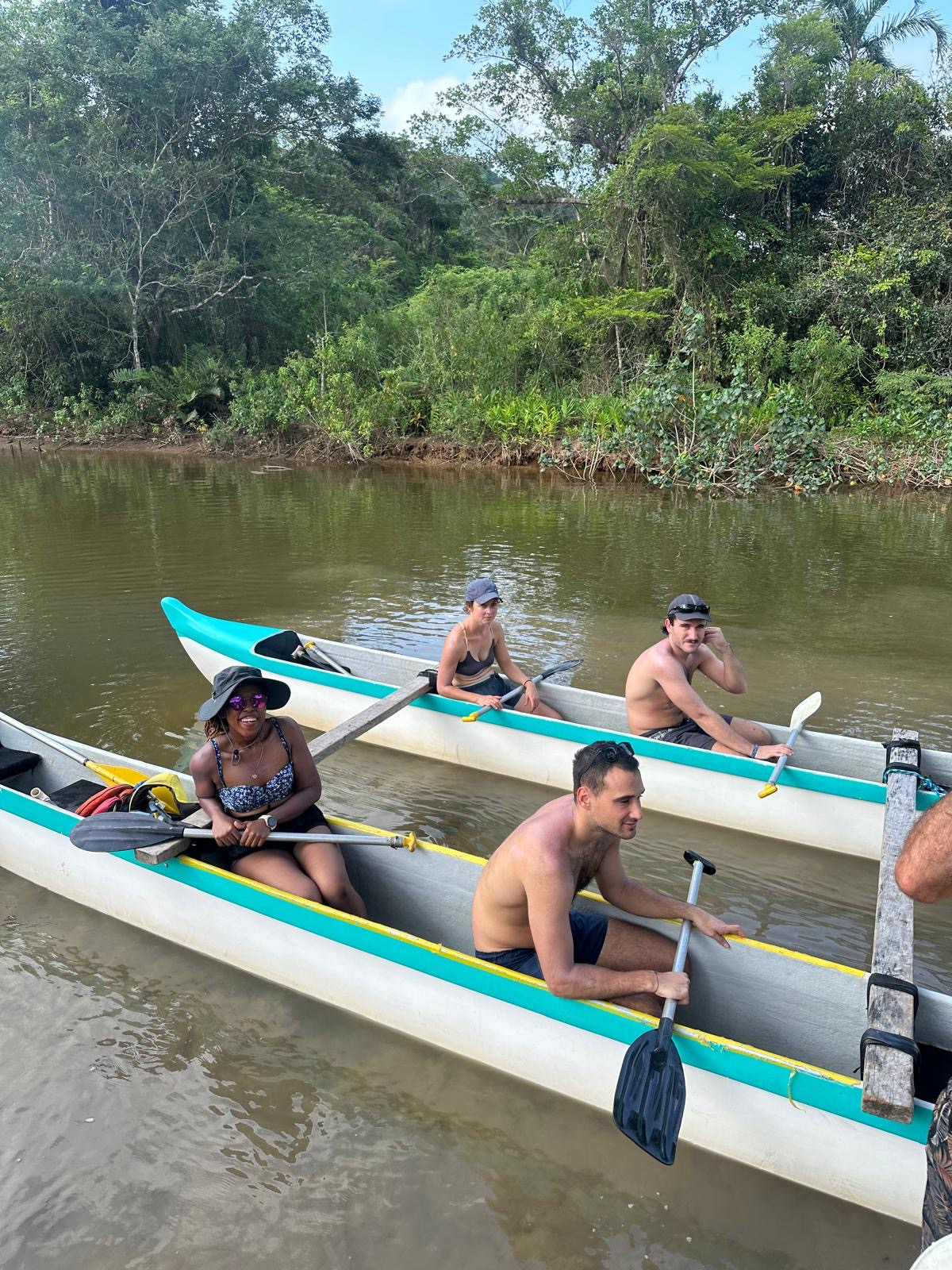
The final leg flies north into Bahia, where the country changes register completely. Itacaré sits where Atlantic rainforest meets the ocean, its culture shaped by African heritage in a way the south of Brazil does not prepare you for. Surf, mangrove boat trips, jungle waterfall hikes and samba nights on the beach close out a route that covers more of Brazil’s geography and variety than almost any other single itinerary of the same length.
e. From there, the journey drops into Rio de Janeiro for iconic landscapes, layered history, and nightlife that runs until sunrise. Finally, the trip flies north into Bahia to Itacaré, where rainforest rivers meet surf beaches and Afro-Brazilian culture reshapes the rhythm of daily life.It is a route built not around ticking landmarks but around shifting atmospheres. Megacity chaos, forgotten coastal villages, protected rainforest islands, and tropical surf town energy all sit inside one continuous story of Brazilian geography and culture.
Brazil is continental in scale and complex in identity. This itinerary offers a balanced introduction by linking four very different regions. São Paulo introduces Brazil as a modern global city anchored in culture and nightlife. Paraty Mirim and Ilha Grande reveal the country’s preserved Atlantic rainforest coast, with car-free islands and marine ecosystems. Rio de Janeiro layers colonial history, modern favela culture, and legendary landscapes into daily life. Itacaré completes the route in northern Bahia, where African heritage and surf culture dominate the social fabric.
Travel between stops is straightforward using buses, domestic flights, and boats. The pace is intentionally varied, allowing for intense urban exploration followed by long periods of slow coastal and jungle living.
A protected Atlantic rainforest island with no cars, where waterfalls spill into jungle trails and turquoise cove beaches are reached only by foot or boat.
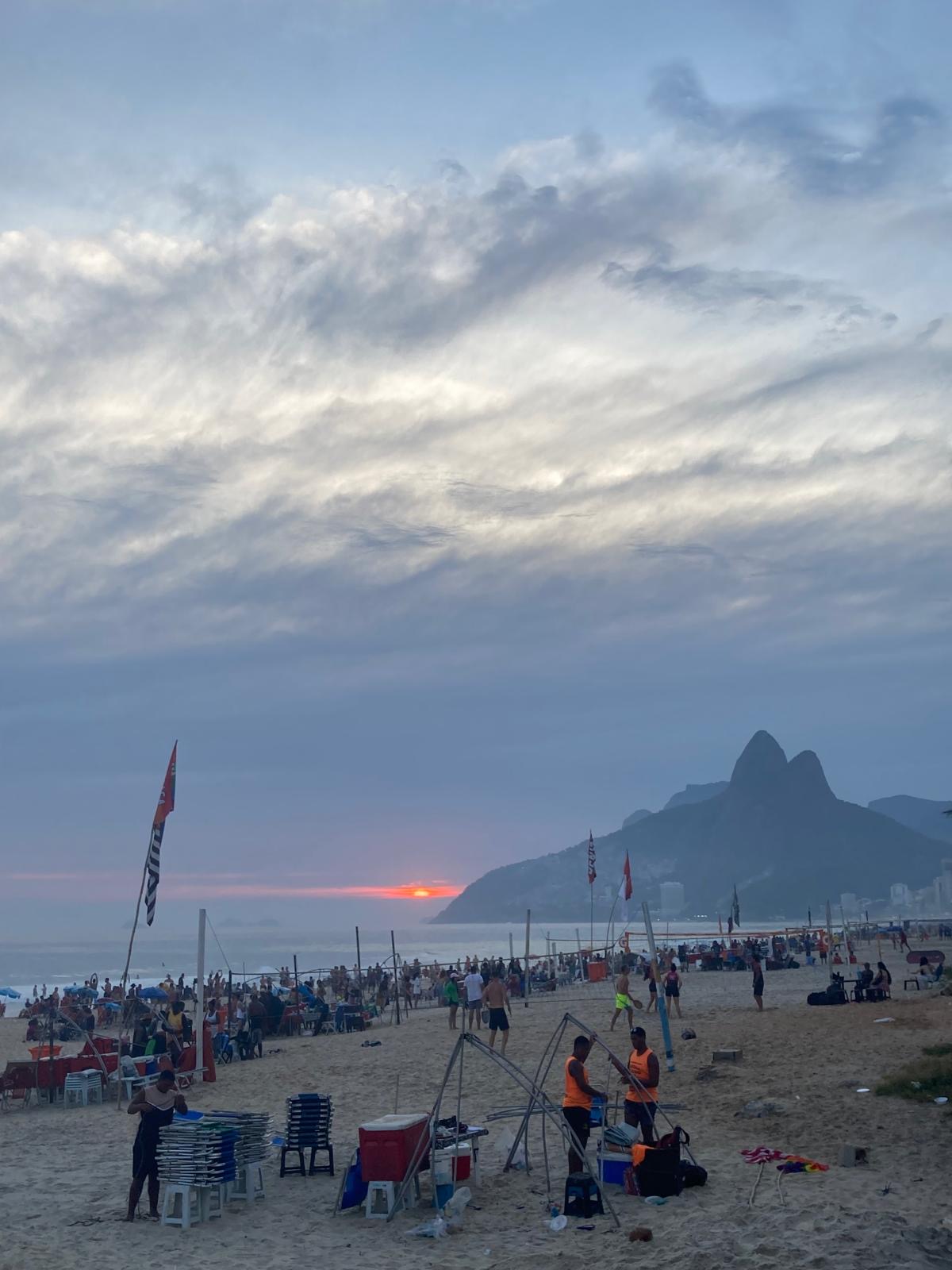
Families arrive on the beach at four in the morning. Volleyball starts as the night ends. The city does not perform for visitors; it simply runs at a frequency that is unlike anywhere else.
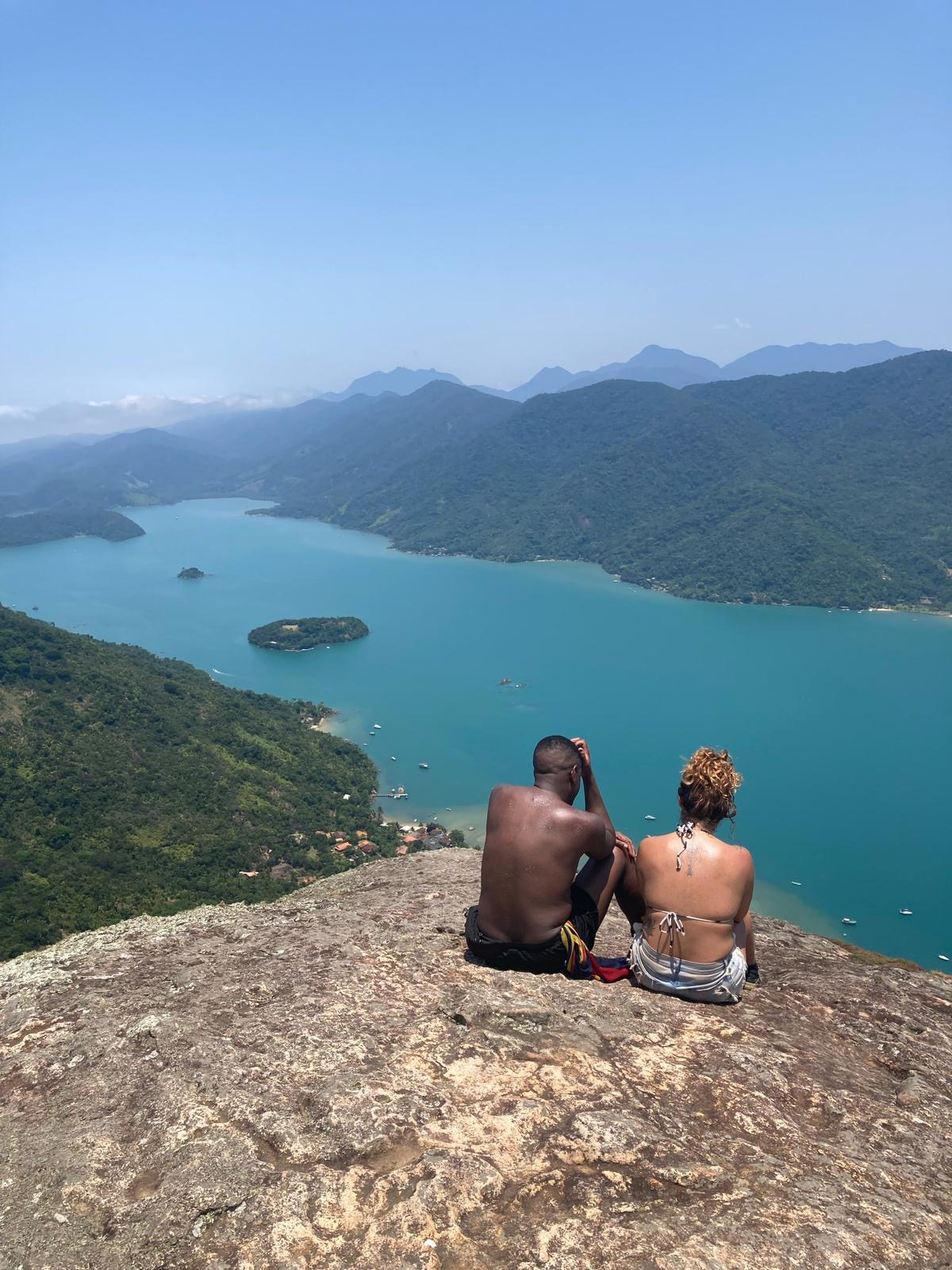
Brazil's only tropical fjord: an eight-kilometre inlet of emerald water cutting inland between steep Atlantic rainforest mountains on the Juatinga Peninsula south of Paraty. The ascent takes an hour and delivers a 360-degree panorama of the entire fjord below, the surrounding rainforest peaks, and the open Atlantic beyond.
Days 1 to 3: São Paulo / Pinheiros, Avenida Paulista, MASP, Ibirapuera Park and the electronic music scene
Days 4 to 5: Santos / Monte Serrat cable car, old port and coastal reset
Days 6 to 7: Paraty Mirim / Remo Hostel, island trips, bioluminescent plankton and hidden beaches
Day 8: Paraty old town / colonial streets, waterfall hike and boat to nearby beaches
Days 9 to 11: Ilha Grande / Blue Lagoon, Pico do Papagaio hike and turtle snorkelling
Days 12 to 15: Rio de Janeiro / Christ the Redeemer, Sugarloaf, Tijuca, samba night and beach at dawn
Days 16 to 18: Florianópolis / Lagoa da Conceição, Praia Mole, Joaquina surf and Lagoinha do Leste hike
Days 19 to 20: Foz do Iguaçu / Argentine side with boat tour, Brazilian side panoramic walk and bird sanctuary
Days 21 to 24: Itacaré, Bahia / Art Jungle Eco Lodge, surf, mangrove boat, Cachoeira do Cleandro and samba parties
Day 25: Fly home via São Paulo
The first part of the day-by-day route, free to read.
São Paulo's Guarulhos International Airport (GRU) is 25 km from the centre. The Guarucoop taxi service from the official rank at arrivals is the most reliable option; agree the destination before getting in. Uber works well and is usually cheaper. The journey into Pinheiros takes 40 to 60 minutes depending on traffic, and São Paulo traffic is extraordinary; never land and immediately try to get somewhere in a hurry.
Base yourself in Pinheiros. It is the right neighbourhood for this trip: walkable, residential in character, dense with independent cafés, vinyl record shops, natural wine bars, galleries and late-night restaurants. It sits immediately west of the Paulista axis and is significantly more liveable than the tourist-facing areas around the cathedral or the centre. The streets between Rua dos Pinheiros, Rua Cardeal Arcoverde and Rua Mourato Coelho give you the concentration of what makes the neighbourhood work.
Day 1: arrive, walk the neighbourhood, eat close to where you are staying, sleep. The city's scale is genuinely disorienting on arrival; resist the urge to immediately see everything and let the first evening just be a dinner and a beer in Pinheiros.
Day 2: Start at Avenida Paulista, the six-lane ceremonial spine of the city, lined with corporate towers, street artists, cultural centres and food vendors. The Museu de Arte de São Paulo (MASP), suspended above the street on two red concrete pillars, holds one of the finest European art collections in Latin America, with works by Raphael, Rembrandt, Van Gogh, Manet and Picasso alongside major Brazilian artists. Entry is free on Tuesday evenings. Immediately below MASP, the Trianon Park provides a small patch of Atlantic rainforest preserved inside the city; sit in it for 20 minutes and feel the temperature drop. Walk west along Paulista toward the cultural centre at the Casa das Rosas.
Ibirapuera Park in the afternoon: 158 hectares of lakes, pavilions and garden designed by Oscar Niemeyer and Roberto Burle Marx, opened in 1954. The Museu Afro Brasil and the Museu de Arte Moderna are both inside the park. The path that runs around the lake is where São Paulo jogs, skates, argues and has coffee simultaneously. Stay until the early evening.
For dinner: Botanikafé in Jardins for a composed, plant-forward meal in a beautiful space, or stay in Pinheiros where the density of good independent restaurants is higher per block than almost any neighbourhood in South America.
Day 3: São Paulo's electronic music and nightlife scene is globally respected. The city has more than a hundred weekly club nights and the quality of DJs passing through is consistent. Resident Advisor lists São Paulo events; check the week before you arrive and book ahead for anything at Heavy House. The best nights run from midnight to noon, and the city's relationship with time is genuinely different from European nightlife culture; showing up at 11 pm is early. This can be combined with a second cultural day (Vila Madalena for street art and galleries; the Pinacoteca for the best Brazilian art museum in the city, housed in a stunning red brick building near the Luz train station) or used as a recovery day depending on how Day 2's evening went.
Also: Skye bar at the Hotel Unique in Jardins is a rooftop pool bar in a striking curved building. Sunset drinks here before heading to dinner are one of the city's better evenings. Book ahead.
£12.99
One-time payment
Unlock this itineraryInstant access. You'll confirm at checkout that this ends your 14-day right to cancel. Terms
Already bought it? Log in
You own this itinerary.
Open the full itinerary“Paraty Mirim felt like falling off the edge of the world. No schedules, no rules, just jungle and ocean life - I could've stayed far longer than we did. The lifestyle was great.”
“Ilha Grande was the highlight for me. Hiking into rainforest then swimming with turtles in the same hour felt unreal.”
“I loved Rio, the friendliness of the people on the beaches especially”