 Terra Nova Collective
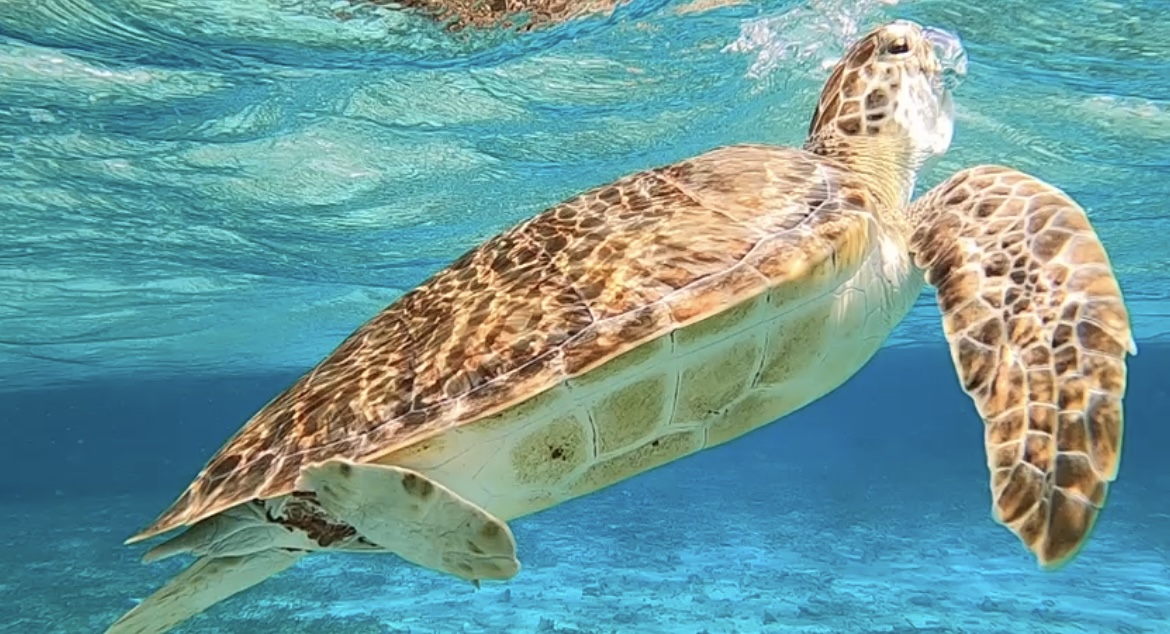
The Belize Barrier Reef at Caye Caulker
Snorkel along the second largest barrier reef in the world where rays, reef sharks, sea turtles and vibrant coral gardens sit in crystal clear Caribbean waters.
Reefs, Jungles and Ancient Cities
A two country journey snorkelling above coral reefs, kayaking with bioluminescent plankton, climbing towering Maya pyramids at sunrise, and crossing volcanic landscapes.
Belize and Guatemala together offer one of the strongest nature and history combinations in the region. Belize sits firmly in the Caribbean world, shaped by reef ecosystems, Creole culture, and slow island life. Guatemala is the cultural and historical heavyweight, dominated by Maya heritage, volcanic landscapes, and colonial Spanish architecture.
The journey begins on Caye Caulker and reef life. From there you cross into Guatemala and move through three major landscapes: the rainforest lowlands of Flores and Tikal, the remote limestone river systems of Semuc Champey, and the volcanic highlands around Lake Atitlan and Antigua. Every stage introduces a new ecosystem and a new layer of Central American history.
Snorkel along the second largest barrier reef in the world where rays, reef sharks, sea turtles and vibrant coral gardens sit in crystal clear Caribbean waters.
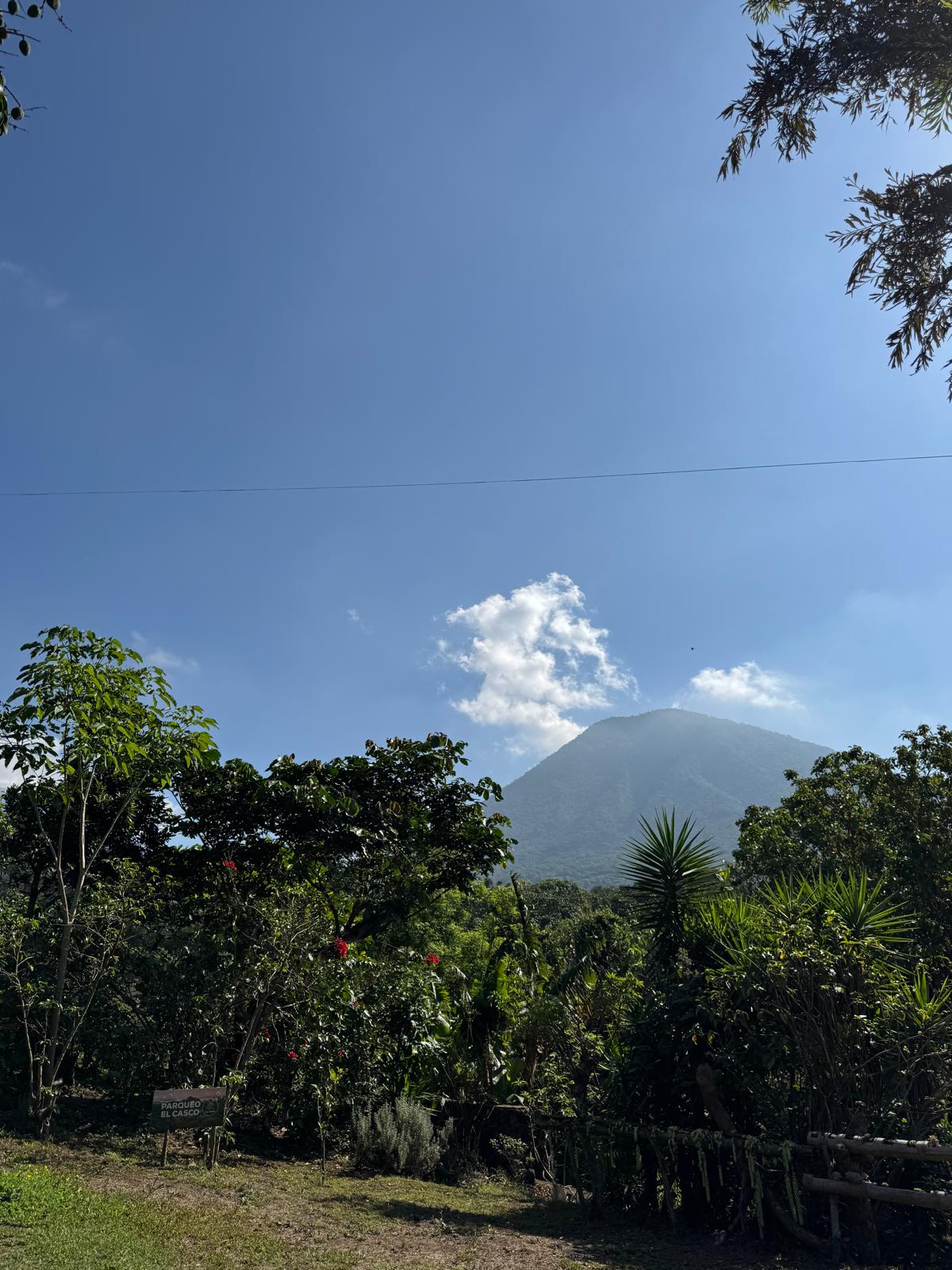
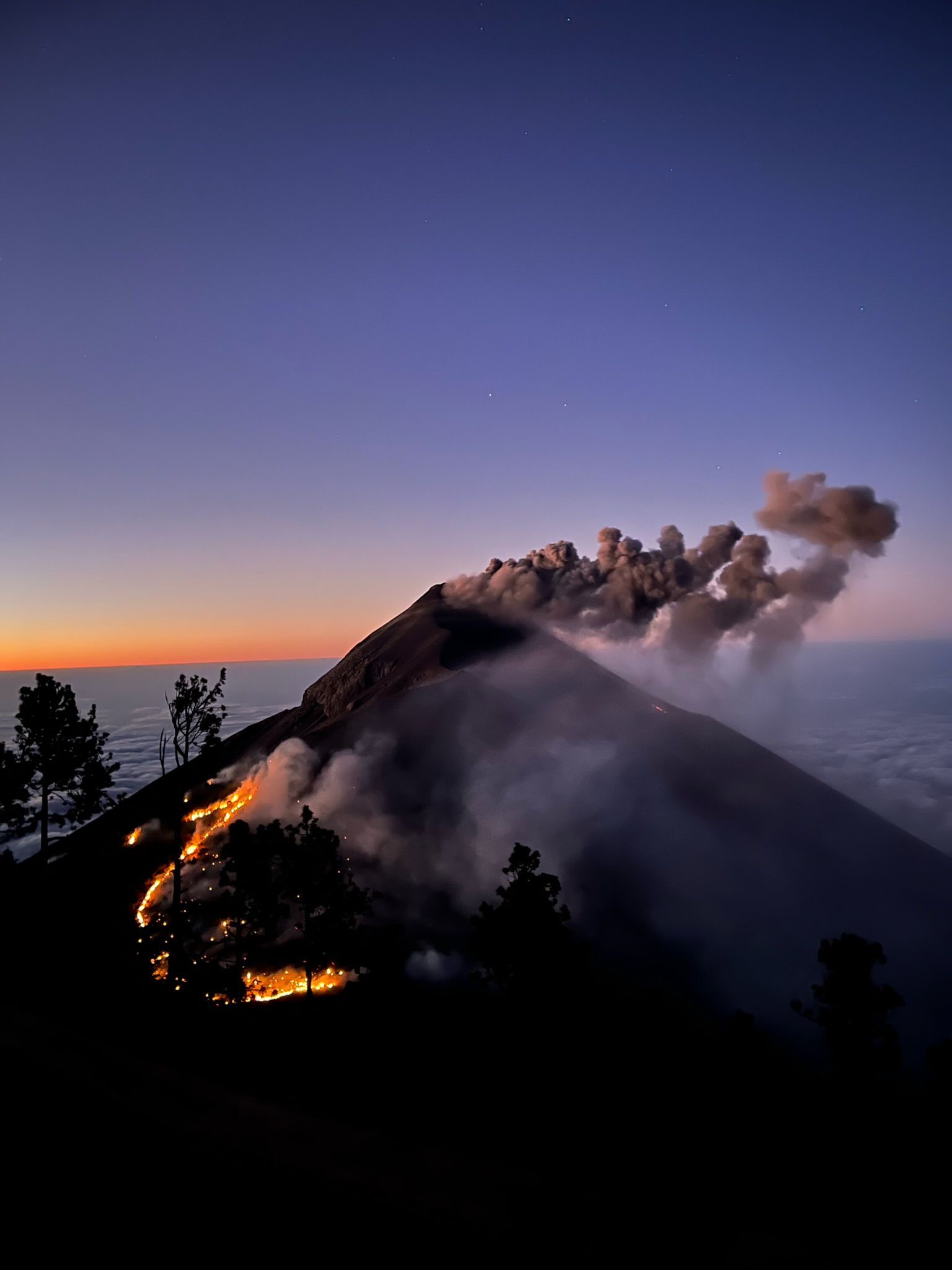
Watching Fuego erupt all night from Acatenango after a long hike is mesmerising and gives to great photos.
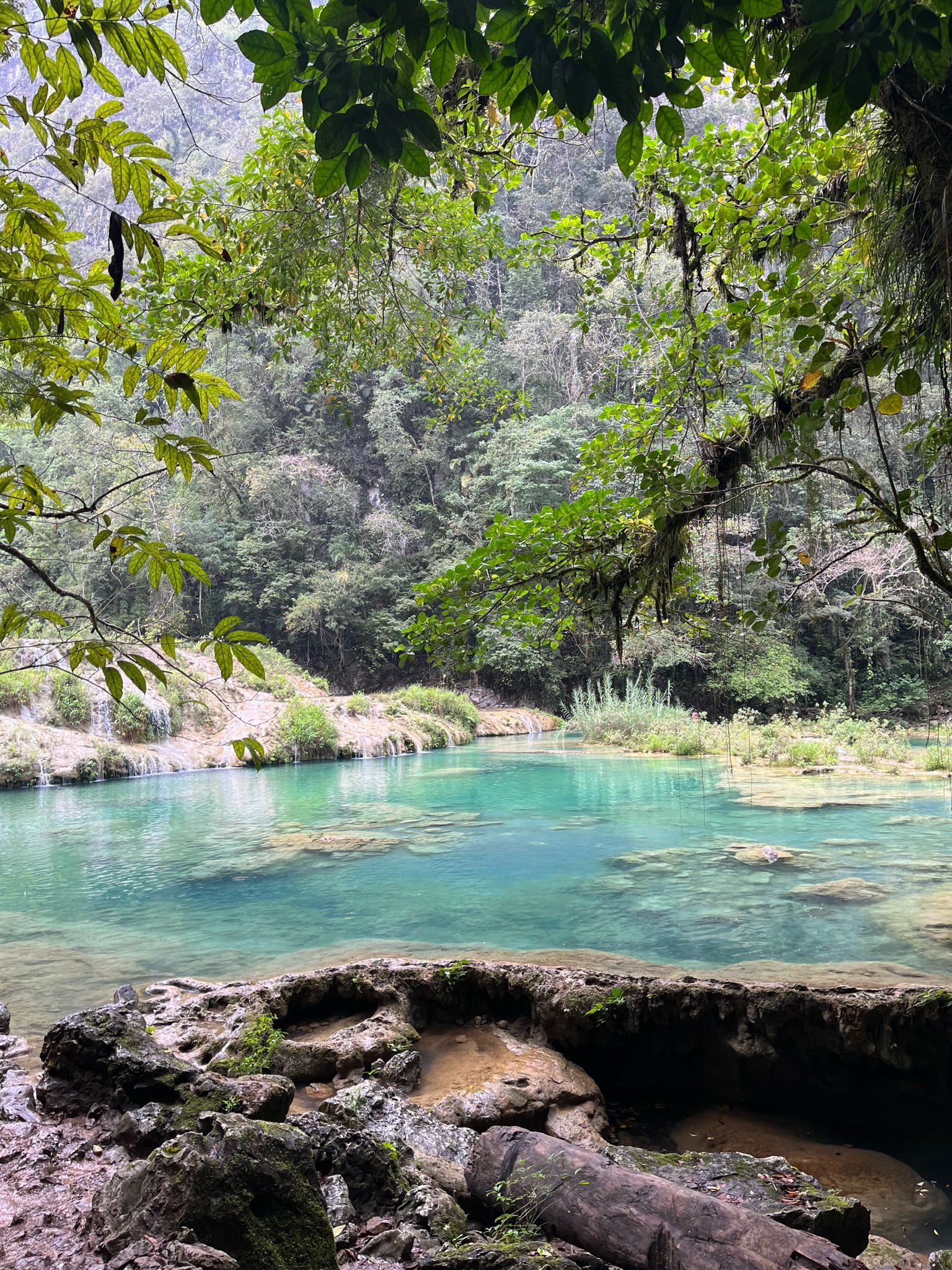
A turquoise ribbon of stepped limestone pools deep inside the Guatemalan jungle, fed by an underground river and framed by dense tropical forest.
Day 1: Arrive in Belize City / ferry across to Caye Caulker
Day 2: Caye Caulker / reef tour and slow island day
Day 3: Caye Caulker / scuba or full-day boat tour to the reef
Day 4: Caye Caulker / The Split, beach bars and last reef day
Day 5: Ferry to Belize City, shuttle bus across the border to Flores, Guatemala
Day 6: Flores / settle into the lake town, sunset over Petén Itzá
Day 7: Flores / sunrise at Tikal, afternoon at Jorge's Rope Swing
Day 8: Flores / lake day
Day 9: Long travel day to Lanquín and Semuc Champey
Day 10: Semuc Champey / pools, caves and jungle viewpoints
Day 11: Lanquín / river tubing on the Cahabón
Day 12: Lanquín to Lake Atitlán / arrival in San Pedro
Day 13: Lake Atitlán / explore San Pedro, sunset over the volcanoes
Day 14: Lake Atitlán / boat to San Marcos for the hippie scene and viewpoints
Day 15: Lake Atitlán / day trip to San Juan for textiles and street art
Day 16: Lake Atitlán / final lake day before Antigua
Day 17: Shuttle to Antigua / settle into colonial streets
Day 18: Antigua / Acatenango overnight hike begins, camp opposite Volcán Fuego
Day 19: Acatenango summit at sunrise, descend to Antigua, departure
The first part of the day-by-day route, free to read.
Getting there from Mexico: If coming from Bacalar or Chetumal, the most direct option is a direct water taxi from the Muelle Fiscal (main pier) in Chetumal to Caye Caulker. San Pedro Belize Express is the main operator; tickets cost approximately $80 USD per person one way. The journey takes roughly four to five hours including the immigration stop at San Pedro, where you clear Belizean customs before continuing. Buy tickets online or in person at the Chetumal pier. This is the easiest option if you are already on the Caribbean coast of Mexico and want to avoid backtracking inland.
The cheaper option: catch a shared shuttle or local ADO bus from Chetumal to the Belize City border at Santa Elena/Melchor de Mencos (roughly two to three hours), cross on foot, take a local bus or shared taxi to Belize City (another two to three hours), and then catch the San Pedro Belize Express water taxi from the Marine Terminal at 111 North Front Street to Caye Caulker. The ferry takes 45 minutes and costs around $24 USD. The last departure from Belize City is 5:30 pm; plan your crossing accordingly. If you arrive in Belize City after the last boat, you will need to overnight in the city.
If flying directly into Belize: Philip Goldson International Airport is 16 km north of Belize City. A shared shuttle to the Marine Terminal takes 30 minutes. Belize City itself is not worth more than a transit night; skip straight to the island.
The island: Caye Caulker is 8 km long and in most places only a few streets wide. Three roads run north-south: Front Street along the eastern (sea-facing) side, Middle Street, and Back Street. Everything is on foot or by golf cart; there are no cars. The island's southern section is where all accommodation and restaurants sit. The northern section, across The Split, is quieter and largely residential. The whole walkable area takes 20 minutes end to end.
The Split is the channel that runs through the middle of the island, created by Hurricane Hattie in 1961. The western bank has a bar and swimming dock; the eastern bank is quieter. This is where you swim, watch sunsets and drink cold Belikins. The current through The Split runs fast after heavy rain; check conditions before jumping in.
Reef tours: The Belize Barrier Reef sits literally 300 metres off the eastern shore of Caye Caulker. It is the second largest barrier reef in the world. All snorkelling tours go to multiple sites in the same day: the most common combination is the Hol Chan Marine Reserve (excellent coral gardens and nurse sharks), Shark Ray Alley (where southern stingrays and nurse sharks congregate in shallow water at a feeding site), and often a third site for open-water snorkelling. Half-day tours cost roughly $35 to $45 USD per person; full-day tours $55 to $75 USD. Book directly at tour desks on Front Street rather than online to avoid markup. Stress Less Boat Tours is consistently well-reviewed and run directly by local fishermen rather than large operators.
For scuba: operators including Belize Diving Services and Frenchies are on the island and offer PADI courses. Book on arrival once you have a feel for the weather forecast for the week; Caye Caulker dive operators are flexible and prefer booking a day ahead rather than weeks in advance so you can pick good visibility days.
Evenings: Iguana Bar at the end of the pier south of The Split has rays and small sharks visible in the water below at dusk, fed by the kitchen scraps thrown from the jetty above. Reggae Bar and the Sports Bar are the main late-night spots. Neither is particularly remarkable; the appeal is barefoot, cold-beer, Caribbean-evening simplicity rather than nightlife.
Money: Belize uses the Belize Dollar (BZD), pegged at exactly 2:1 to the US Dollar, which makes mental arithmetic simple. US Dollars are accepted everywhere on the island at the 2:1 rate. ATMs exist on the island but are limited and frequently out of cash; withdraw enough in Belize City or Chetumal before coming. There is reportedly a bank on the island offering free US dollar withdrawals if your card allows it; confirm this on arrival. Cash is essential for market stalls, boat tipping and smaller restaurants.
£12.99
One-time payment
Unlock this itineraryInstant access. You'll confirm at checkout that this ends your 14-day right to cancel. Terms
Already bought it? Log in
You own this itinerary.
Open the full itinerary“Snorkelling the reef in Belize and then climbing above the jungle at Tikal felt like two different worlds in the same week.”
“Semuc Champey was unreal. I have never swum anywhere like it in my life.”
“Watching Fuego erupt all night from Acatenango was one of the wildest things I have ever seen”