A fast-moving Silk Road route connecting Tashkent, Samarkand and Bukhara, ancient domes, tiled madrasahs and atmospheric bazaars, with an extension to the desert citadel of Khiva.
Uzbekistan is one of the clearest windows into what the Silk Road once was. Cities like Samarkand and Bukhara were not just exotic names on maps but working hubs where scholars, traders and empires met. Today, high speed trains and renovated monuments sit on top of that older structure, but the basic rhythm of these cities is the same: a morning in a bazaar, a midday mosque courtyard in the shade, evenings in squares that glow under turquoise domes.
This trip is built around three ideas. Firstly, seeing the Silk Road as a real geography, not a myth. Tashkent, Samarkand and Bukhara all sat on caravan routes that connected China, Persia and the Mediterranean. The sites you visit were once schools, mosques, markets and caravanserais, not open air museums. Secondly, understanding the Timurid and post Timurid layers. In Samarkand you see the height of the Timurid court in Gur e Amir and Registan. In Bukhara you see later dynasties adapt those forms into a more compact, lived in city. Thirdly, Moving efficiently while still walking a lot on foot. High speed trains reduce the long desert crossings to a couple of hours, so you can spend more time walking through necropolises, courtyards and bazaars and less time sitting in cars. It is a route that works well for a long weekend or as the cultural spine inside a longer Central Asia trip.
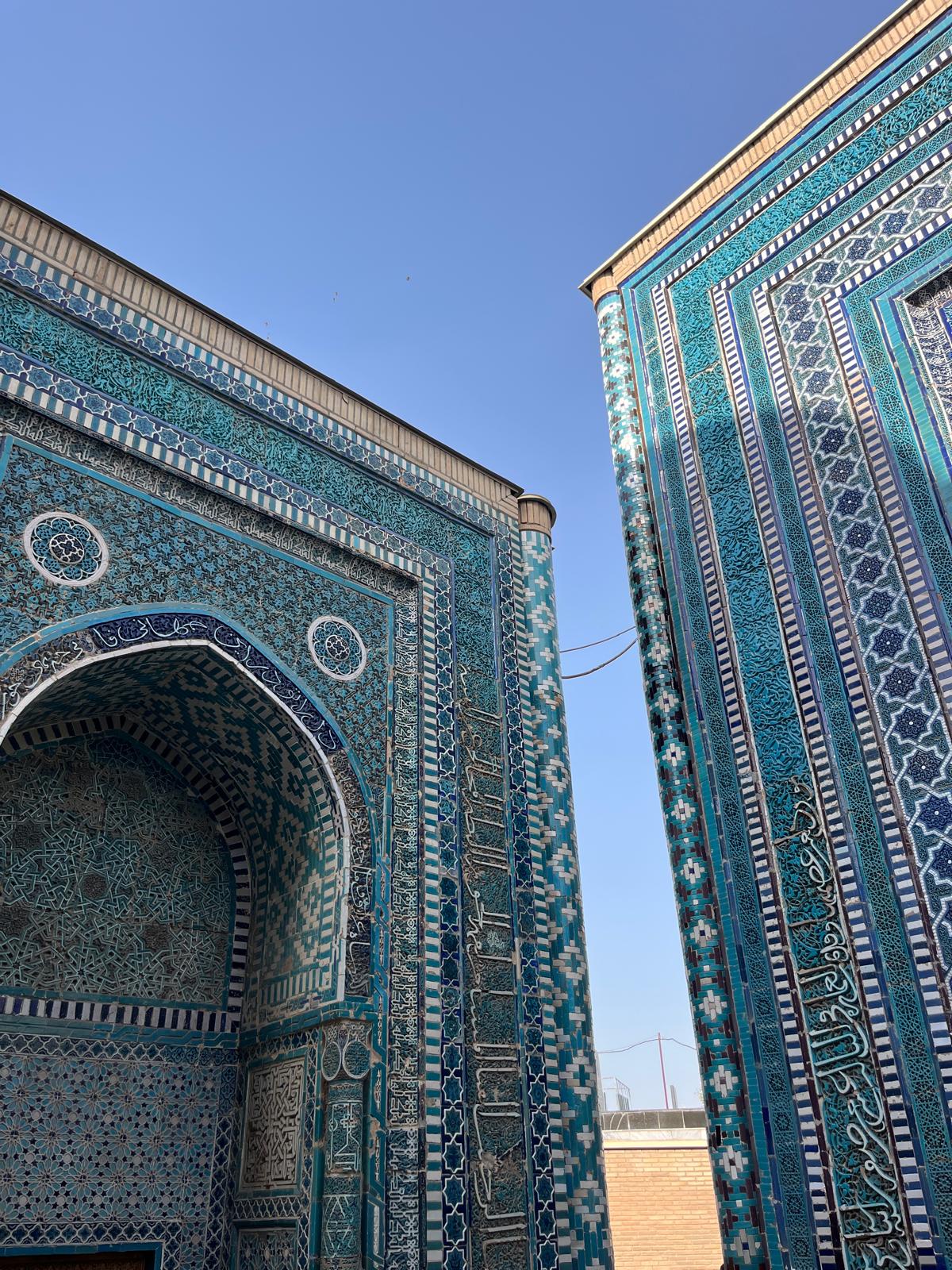
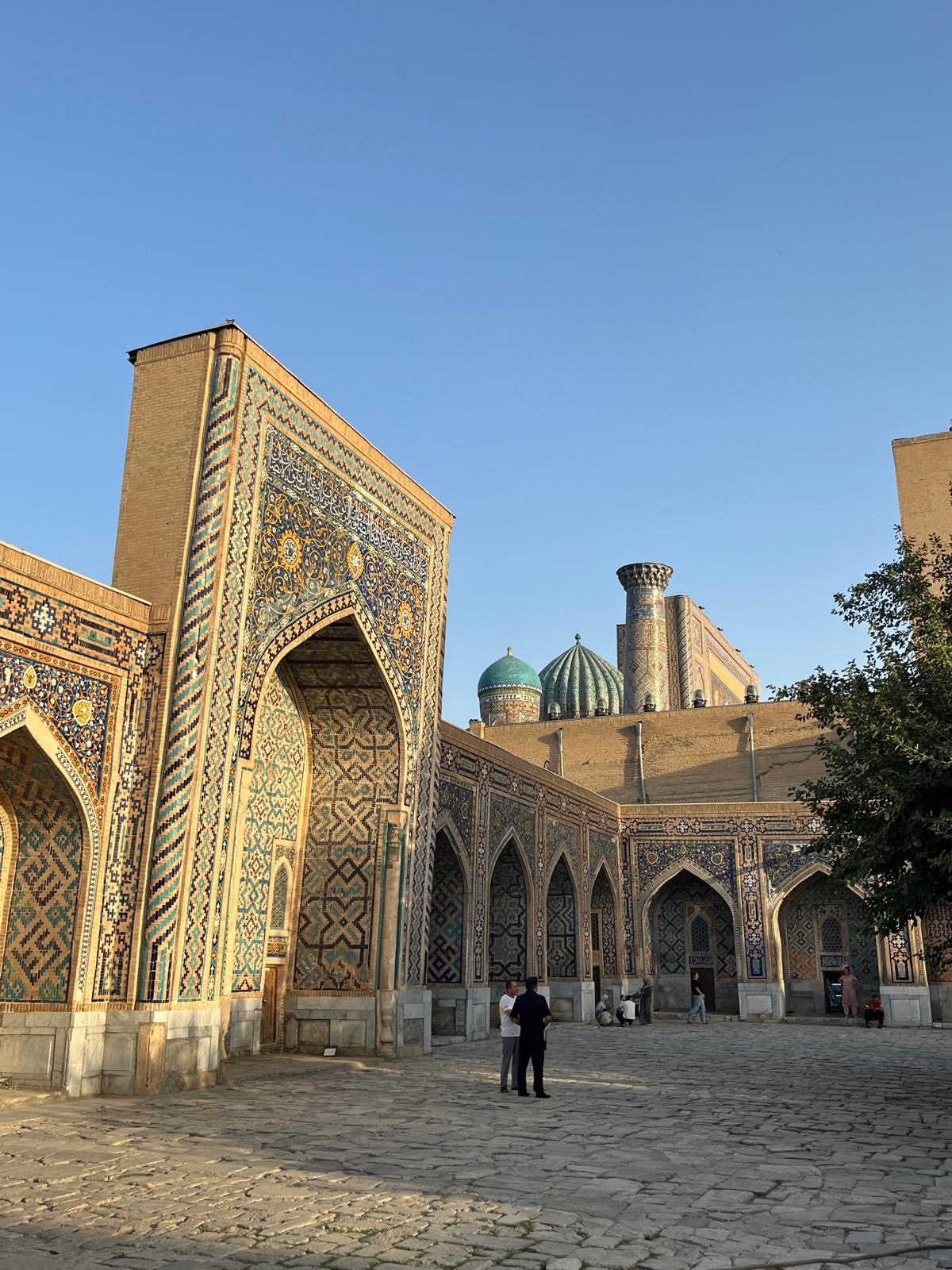
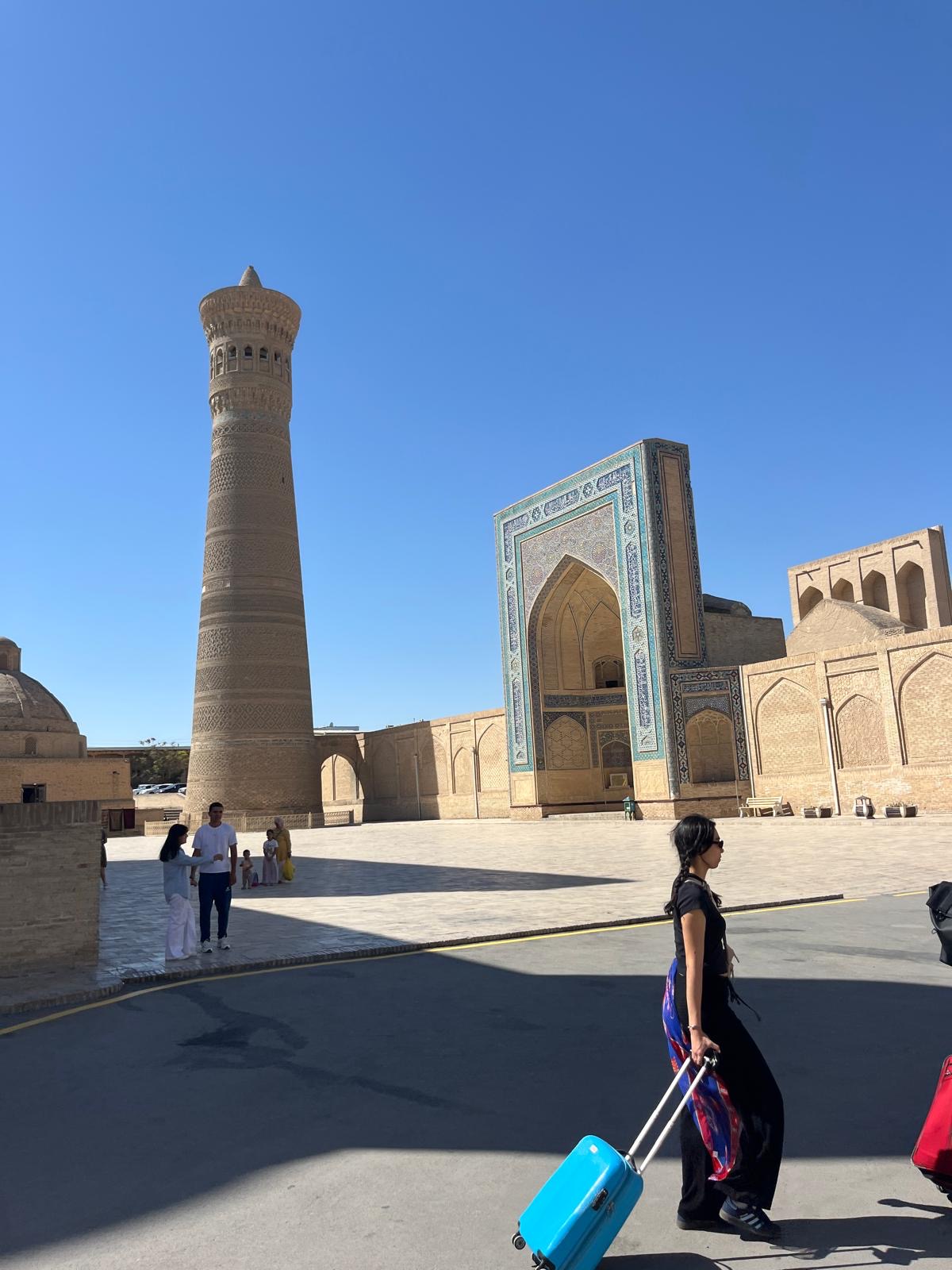
You begin in Tashkent, which is often treated as a mere transit hub, but it is worth a structured half day. Chorsu Bazaar, Independence Square and the metro stations show how Soviet planning, Central Asian ornament and Islamic heritage were combined into a modern capital. From there you step into Samarkand, where Gur e Amir holds the tomb of Amir Temur, Shakhi Zinda lines a hillside with family and court mausoleums, and Registan frames a main public space with three monumental madrasas. The pattern is clear: a city built to project power and scholarship. Bukhara is more intimate. Trading domes such as Toki Zargaron and Toki Telpakfurushon still shelter shops, the Kalon Minaret still dominates the skyline as it did in the twelfth century, and the Ark Fortress still sits above the town. It feels less like a showpiece and more like a place where life simply continued around ancient structures.
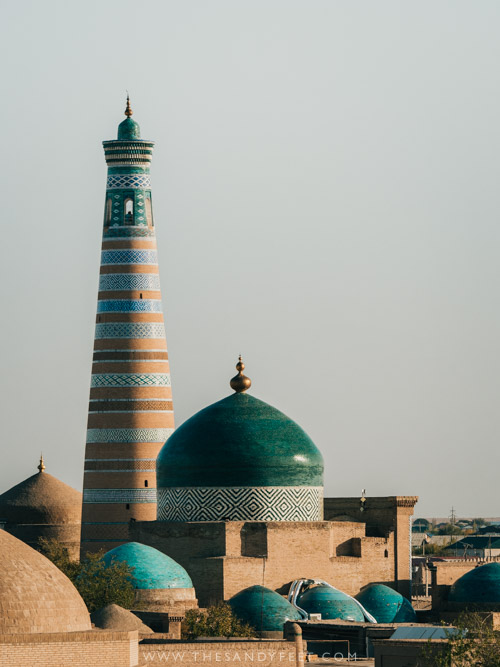
If you add Khiva, the story shifts from big empires to a fortified oasis. Inside the walls of Itchan Kala you can trace the layout of a desert khanate capital, with mud brick alleys, low houses, tall minarets and city walls that still give a sense of defence and separation from the steppe beyond.
 Terra Nova Collective