Japan

Temples, Cherry Blossoms & Neon Cities

Duration
14 days
Trip style
Cultural
Effort
Stress-free
Region
South East Asia

A cultural deep dive into Japan’s shrines, skyscrapers, onsen, mountains, temples, markets and modern art.

A journey through Japan’s timeless contrasts, from ancient shrines and tea houses to neon skylines and futuristic art.

Japan is a story written in contrasts. One moment you are slipping through a narrow stone lane lined with centuries old tea houses, listening to the bells of a Shinto shrine drift across a cedar forest. The next moment you are standing at Shibuya Crossing, surrounded by a river of humanity, LED screens towering above you like futuristic cliffs.

This itinerary captures the beauty of both worlds. You walk through Edo era gardens at sunrise, taste kaiseki dinners in a Hakone ryokan, wander beneath thousands of vermilion torii gates in Kyoto and stand on observation decks high above Tokyo’s skyline. Between each chapter the Shinkansen carries you through landscapes of rice fields, distant mountains and small towns that appear and disappear within seconds.Spring brings everything alive. Cherry blossoms frame the parks. Lantern festivals glow at dusk. Temples feel timeless and quiet. Japan in April is gentle, precise and unforgettable.

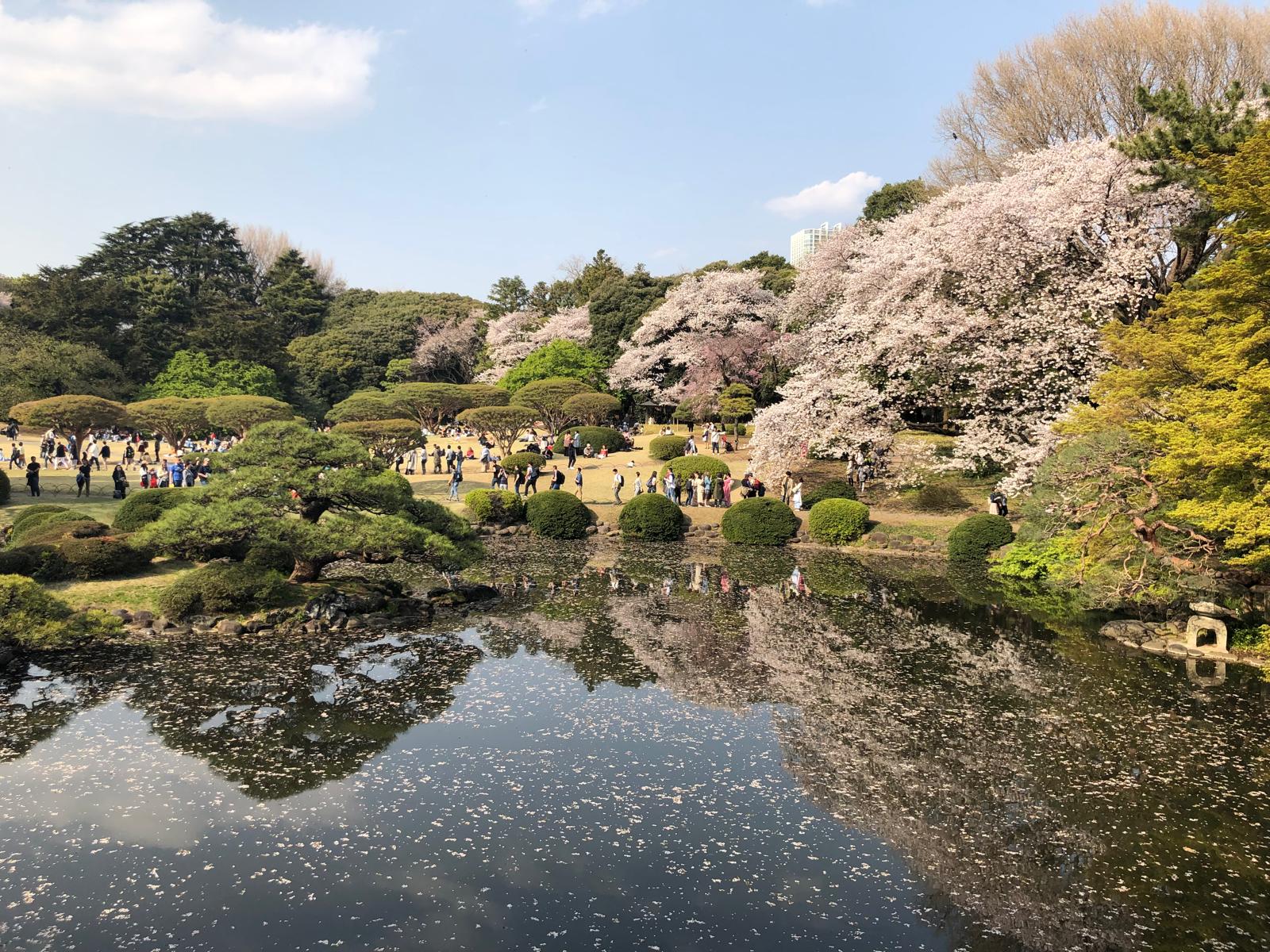
Japan rewards slow exploration. Every neighbourhood is a world and every shrine has a story. Tokyo introduces the modern edge of the country: seamless trains, bold architecture, a blend of quirky subcultures and polished design. Yet even here you find gardens, shrines and streets that feel untouched by time.

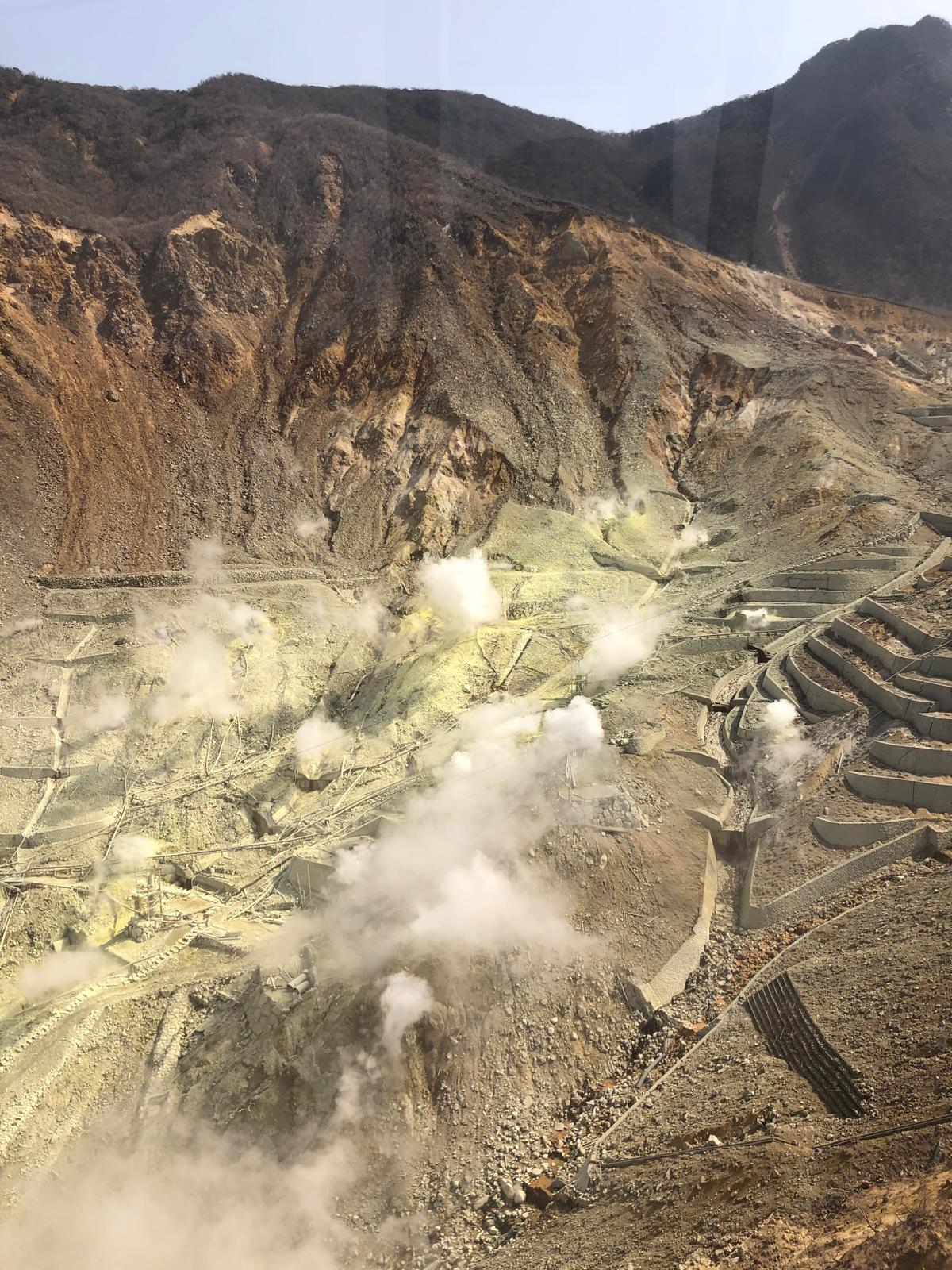
Hakone shifts the tempo. You trade steel towers for volcanic valleys, steaming fumaroles and quiet lakes framed by the distant silhouette of Mount Fuji. Kyoto then anchors the journey. This is the cradle of Japanese tradition where geisha glide silently through wooden lanes, monks sweep temple paths at dawn and the scent of incense drifts past ancient gates. From Kyoto you reach Nara, the country’s first permanent capital, where deer wander freely through temples and forests.

The final days return you to Tokyo’s modern energy. You explore futuristic art installations, waterfront districts, fish markets at dawn and the glowing arcades of Akihabara at night. Japan closes the circle of old and new, peaceful and electric.

Highlights

Ancient Kyoto at Sunrise

Ancient Kyoto at Sunrise

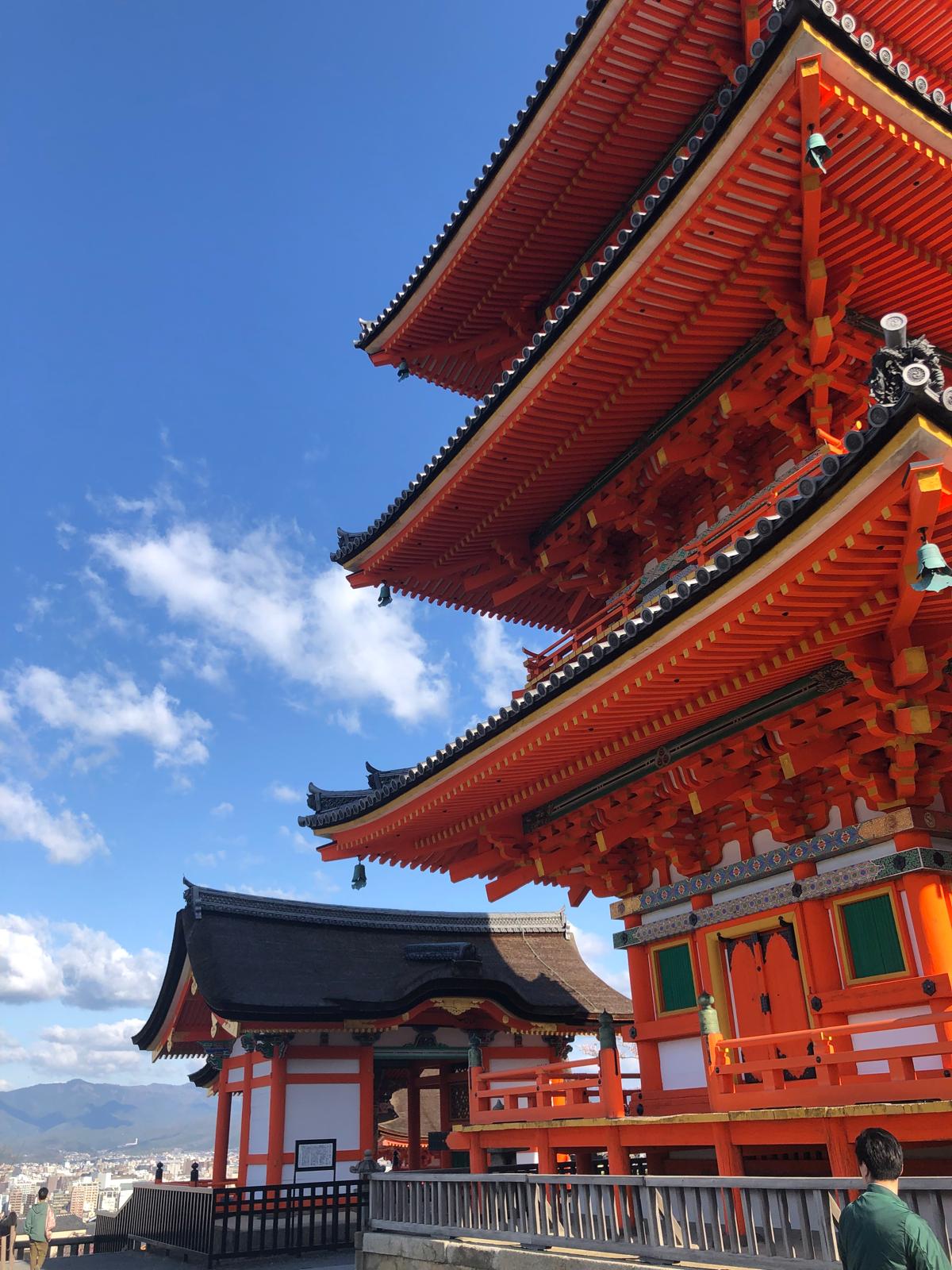
Wander through Shimbashi Dori and the quiet backstreets of Gion before the city wakes. These narrow lanes preserve the architecture of old Japan and in early morning light the wooden houses, lanterns and stone alleys feel almost dreamlike.

Hakone’s Volcanic Valleys and Lake Ashi

Hakone’s Volcanic Valleys and Lake Ashi

Ride cable cars over steaming vents, cross Lake Ashi by boat and walk through mountain paths where the scent of sulfur lifts from volcanic ridges. On a clear day Mount Fuji rises above everything.

Tokyo’s Golden Gai

Tokyo’s Golden Gai

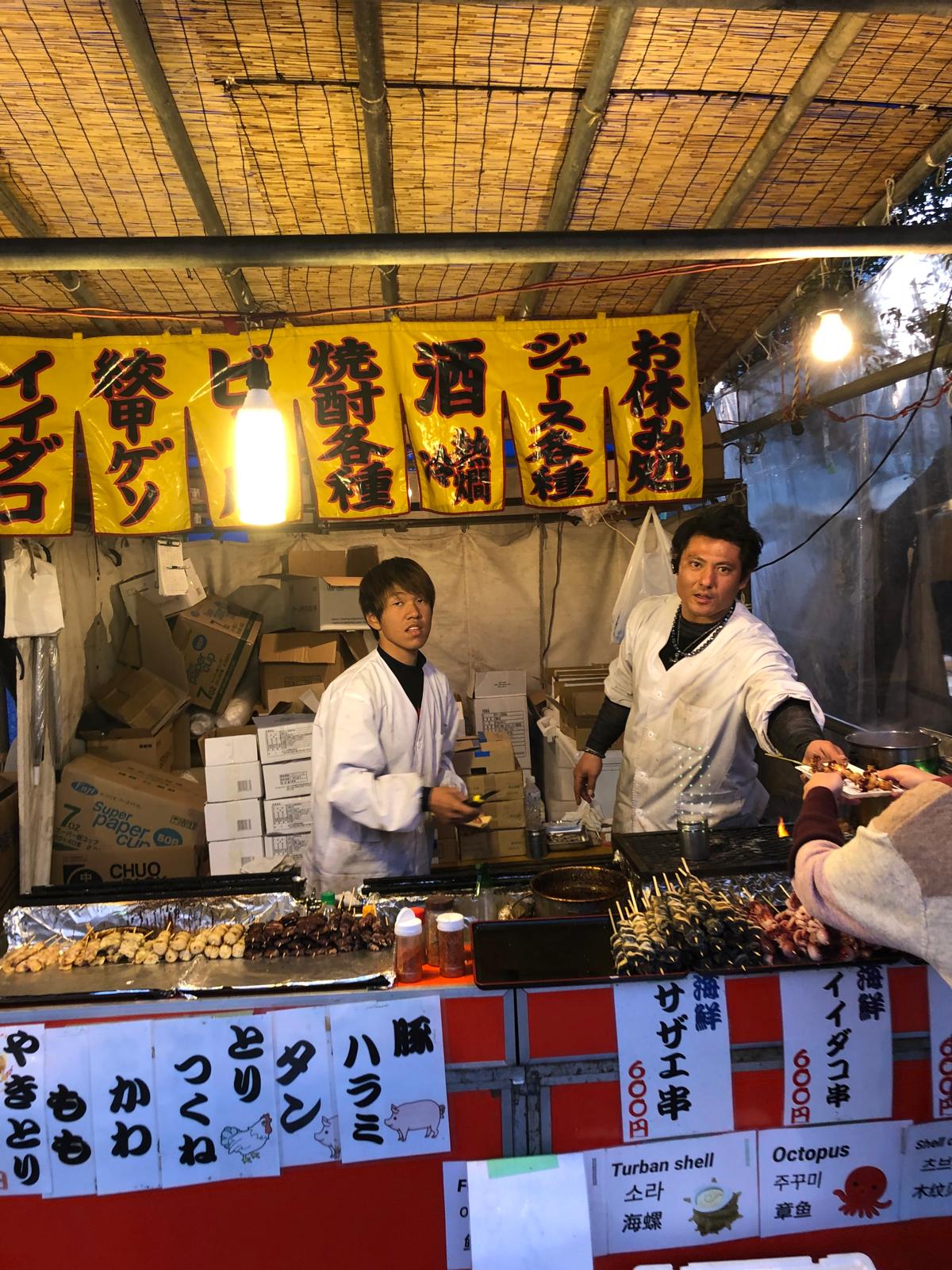
Narrow streets with hole in the wall bars and restaurants that fit as little as 4 people!

The route

Days 1 to 2: Tokyo / Imperial Palace, Senso-ji, Meiji Jingu, Shibuya Crossing and Shinjuku

Day 3: Hakone / Lake Ashi cruise, Owakudani volcanic valley, cable car and onsen ryokan

Day 4: Travel to Kyoto / Gion lanes, Ishibei Koji and evening in Ninenzaka

Day 5: Kyoto temples / Kinkaku-ji, Arashiyama bamboo, Kiyomizu-dera and Pontocho

Day 6: Fushimi Inari and Nishiki Market / vermilion torii gates at dawn, tea ceremony and Gion evening

Day 7: Nara day trip / giant bronze Buddha, deer in the temple grounds and cedar forest

Day 8: Travel to Hiroshima / Peace Memorial Park, Atomic Bomb Dome and okonomiyaki dinner

Day 9: Miyajima Island / floating torii gate at Itsukushima Shrine, Mount Misen and the Omotesando strip

Day 10: Travel to Naoshima / Chichu Art Museum, Art House Project and Yayoi Kusama's pumpkin

Day 11: Naoshima continued and travel back to Tokyo / Benesse House coastal walk, Lee Ufan Museum and Shinkansen north

Day 12: Tokyo return / Toyosu Fish Market, teamLab Planets, Akihabara or Odaiba

Day 13: Final Tokyo day / gardens, second-hand shops, Ebisu or Ueno and last Shinjuku dinner

Day 14: Departure

Start the journey

The first part of the day-by-day route, free to read.

Days 1 to 2: Tokyo

Land at Narita International Airport (NRT) or Haneda (HND). Haneda is significantly closer to central Tokyo: 30 to 40 minutes to Tokyo Station by the Tokyo Monorail or Keikyu Line. Narita is 60 to 90 minutes by the Narita Express (N'EX) or the Keisei Skyliner. The N'EX is covered by the JR Pass; book a reserved seat in advance if using it.

Japan has mandatory pre-travel registration since 2026 (Visit Japan Web at vjw-lp.digital.go.jp); complete this before arrival to use the fast-track lanes at customs. Do it at home, not at the airport.

Drop bags at your hotel near Tokyo Station and orient yourself: the station is a city in itself, with 51 platforms, underground shopping and multiple exits into different city zones. The east exit leads toward the Imperial Palace; the west toward the entertainment and shopping districts.

Day 1 afternoon: Imperial Palace and Asakusa

The Imperial Palace East Garden (free, open Tuesday to Sunday, 9 am to 5 pm) occupies the former grounds of Edo Castle. The stone walls and moats of the original 17th-century fortress remain; the garden contains iris and cherry planting beds, the Ninomaru garden and the view back toward the modern Tokyo skyline behind it. Kitanomaru Park north of the garden connects to the Science Museum and the Nippon Budokan.

Take the subway east to Asakusa. Senso-ji, Tokyo's oldest temple, was founded in the 7th century and the current gate structure (Kaminarimon, the Thunder Gate) dates from 1960. The Nakamise shopping street between the gate and the main hall sells tourist goods at the front; the side streets running off it sell goods to the neighbourhood. The five-tiered Gojunoto pagoda rises beside the main hall; the incense smoke rising from the large bronze cauldron in front of the hall is directed over the body for blessing. This is an active place of worship.

Walk ten minutes to the Sumida River for the view back toward the Asakusa skyline and the Skytree rising behind it.

Get the full Japan itinerary

  • The rest of the day-by-day route, 13 more detailed entries
  • Where to stay, by budget
  • Where to eat and drink
  • Practical reminders and cautions
  • Ways to shorten or extend the trip
  • 25 photos from the trip
  • A direct line to the traveller who led it

£12.99

One-time payment

Unlock this itinerary

Instant access. You'll confirm at checkout that this ends your 14-day right to cancel. Terms

Already bought it? Log in

From travellers on this trip

“The thing that stuck with me most about Japan was the attention to the small detail; from street signs to train carriafes (and the crazy toilets!), everything was efficient and there was an atomosphere of harmony.”

Cecilia Milan, Italy

“I loved the culture, especially in Kyoto, with narrow lantern-lit lanes and the bamboo forest at dawn as unforgettable.”

Edoardo Milan, Italy

“The food was the best thing - every meal was delicious, from the hut restaurant in Hakone to the 7-11 takeaway in Tokyo.”

Maria Madrid, Spain