China

Imperial Capitals, the Sichuan Basin and the Yangtze Gorges

Duration
16 days
Trip style
Cultural
Effort
Stress-free
Region
South East Asia

Six cities, one dam, and a mountain range that shouldn't exist.

A cross-country route through China's dynastic capitals, its most vertical city, its strangest mountains and the Yangtze's most famous gorge.

This route runs west to south to east across the country’s geography and its history at once: Beijing’s imperial axis and the Great Wall at Badaling, then Xi’an, the Tang dynasty capital where the Terracotta Army has stood underground for over two thousand years. From there south into the Sichuan basin, where Chongqing rises off the Yangtze in a genuinely vertical sprawl of cliffside towers and elevated highways, with an easy bullet-train run out to Chengdu’s giant pandas.

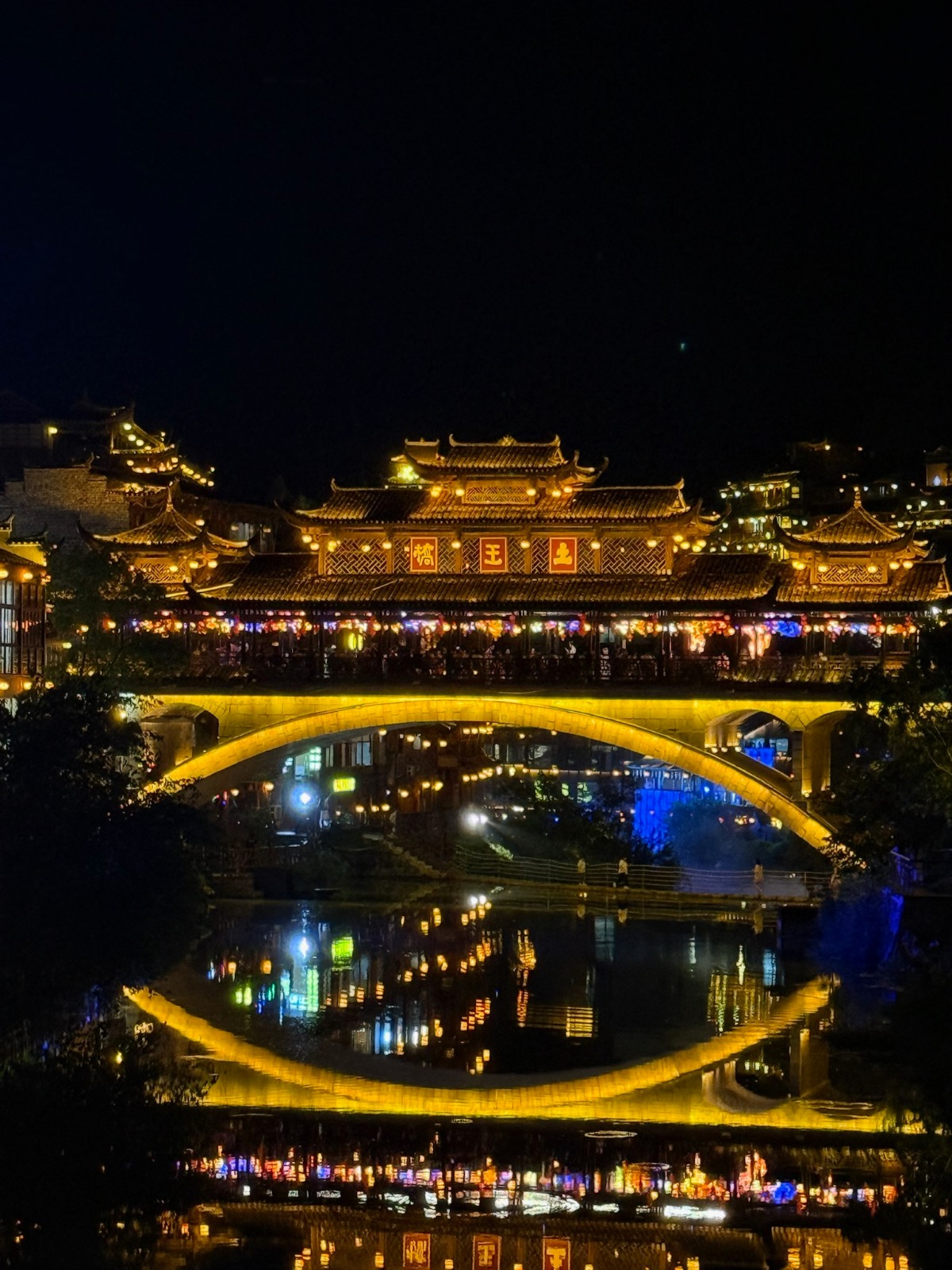
The route then climbs into Hunan for Zhangjiajie, the sandstone pillar forest that inspired the floating mountains of Avatar, reached via Furong Ancient Town’s waterfall-split streets. From Zhangjiajie the route drops to Yichang and onto the water: a night’s cruise through the western Yangtze past the Three Gorges Dam, one of the largest engineering projects on Earth, before the final run east to Shanghai, where colonial-era Bund architecture faces off against the tallest skyline in China.

It is a long route and a genuinely varied one: imperial history, mountain landscape, industrial scale and a modern megacity, in roughly that order, with high-speed rail doing most of the connecting work.

Highlights

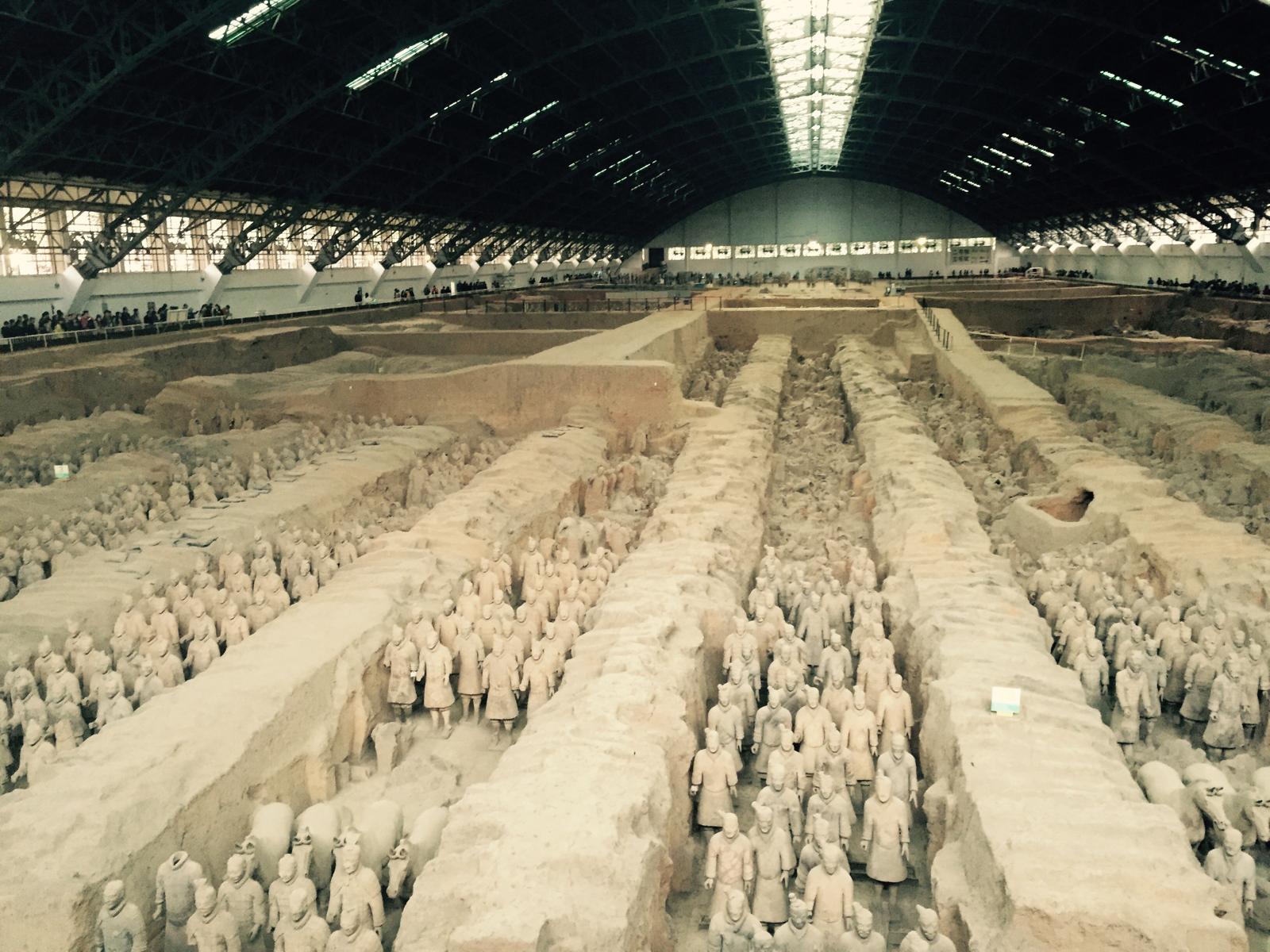
The Terracotta Army

The Terracotta Army

Discovered by farmers digging a well in 1974, the Terracotta Army is an underground garrison of over 8,000 life-sized soldiers, horses and chariots built to guard the tomb of China's first emperor, Qin Shi Huang. Pit 1 alone runs 230 metres long; no two faces among the thousands of figures are identical.

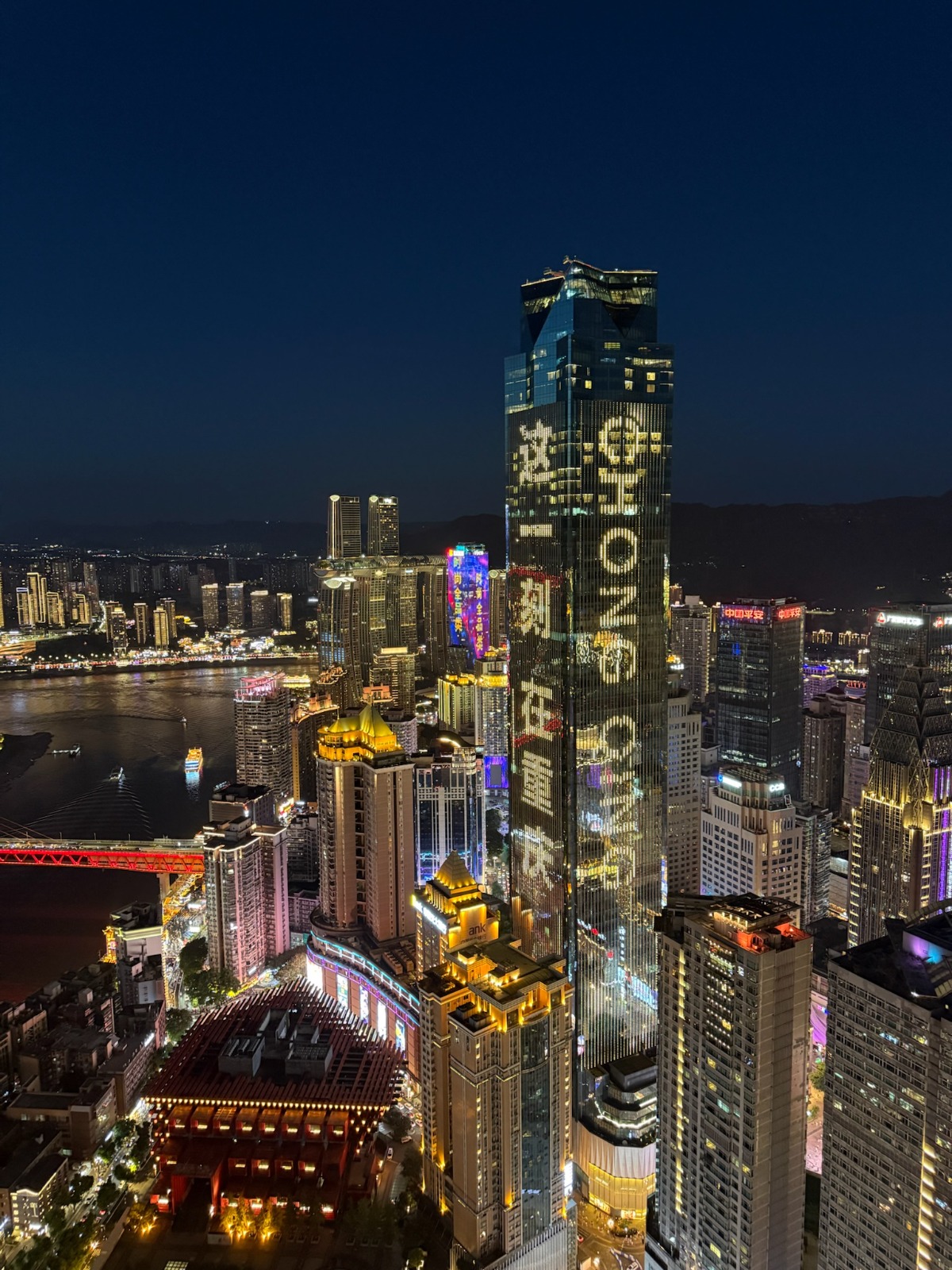
Chongqing's vertical chaos

Chongqing's vertical chaos

Chongqing is unlike any other Chinese city: a metropolis built on a rocky peninsula where the Jialing River meets the Yangtze, with skyscrapers climbing directly out of cliff faces and highways passing through the middle of residential towers. Liziba station, where Line 2 of the metro runs straight through a 19-storey building, is the single most photographed proof of this.

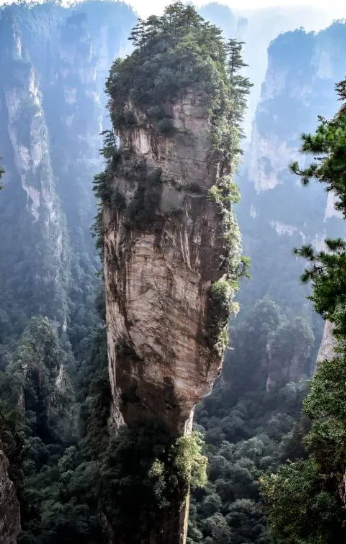
Zhangjiajie's pillar forest

Zhangjiajie's pillar forest

Zhangjiajie National Forest Park contains over 3,000 sandstone pillars, some rising more than 200 metres straight out of the forest floor; the Southern Sky Column, officially renamed Avatar Hallelujah Mountain after James Cameron's film crew used it as visual reference, is the most famous. Tianmen Mountain's 999 stone steps climb to Heaven's Gate, a natural arch punched clean through the summit ridge.

The route

Days 1 to 3: Beijing / Forbidden City, Tiananmen Square, Badaling Great Wall, Temple of Heaven

Days 4 to 5: Xi'an / Terracotta Army, city wall, Muslim Quarter, Bell and Drum Towers

Days 6 to 8: Chongqing / Hongya Cave, Chengdu panda day trip, Liziba Station, cliffside walking tour

Days 9 to 11: Zhangjiajie and Furong Town / HSR from Chongqing, Furong waterfall town, Tianmen Mountain, Avatar Forest Park

Day 12: Transfer to Yichang / overnight there

Day 13: Three Gorges Dam / flight to Shanghai

Days 14 to 15: Shanghai / the Bund, French Concession, Yu Garden, Shanghai Tower

Day 16: Departure

Start the journey

The first part of the day-by-day route, free to read.

Days 1 to 3: Beijing

Beijing Daxing (PKX) is the newer of the two international airports, about 46 km south of the centre; the Daxing Airport Express runs to Caoqiao in around 20 minutes for ¥35, connecting onward via metro. Beijing Capital (PEK) sits northeast of the centre and connects via the Airport Express to Dongzhimen. Base yourself in Dongcheng or Wangfujing: everything on this leg of the route, Forbidden City, Tiananmen, Wangfujing itself, is walkable or a short taxi from here. Beijing's metro is cheap, extensive and signed in English; no car needed anywhere in the city.

Day 1: Arrival and reset. After a long-haul flight, resist the urge to sightsee immediately. A Korean-style bathhouse (汗蒸幕) is the correct first move: heated ondol floors, hot and cold pools, sleeping areas and unlimited food, typically ¥100 to ¥150 entry. Rest through the afternoon rather than fighting jet lag. In the evening, walk Wangfujing pedestrian street: department stores, the Wangfujing Snack Street night market for skewers and regional street food, and a gentle first look at the city's scale without demanding much of you.

Day 2: Forbidden City and the panel of the day. Start at Tiananmen Square, then enter the Forbidden City from the north or south gate depending on your hotel's location. ⚠️ Tickets must be booked online in advance on the official Palace Museum site; they sell out weeks ahead in summer and same-day walk-up entry is not reliable. Allow a minimum of three hours; the Hall of Supreme Harmony, the Hall of Preserving Harmony and the Imperial Garden at the north end are the essential stops across the complex's 980 buildings. Lunch near Nanchizi or in the Wangfujing area. If time allows in the afternoon, the Temple of Heaven is a short taxi south; otherwise push it to Day 3.

Day 3: The Great Wall at Badaling. Badaling is the most-visited, most-restored section of the Wall, roughly 75 minutes from central Beijing by car or the S2 suburban train from Beijing North station (cheaper, slower, more atmospheric). ⚠️ Go before 9am; by mid-morning the site is genuinely crowded and the photos suffer for it. Pre-book a timed entry slot online. This is a half-day out-and-back; you'll be back in the city by early afternoon. Round out the day at the Temple of Heaven if not done on Day 2: the Hall of Prayer for Good Harvests, one of the most photographed wooden buildings in China, set in parkland where locals practise tai chi each morning and into the afternoon. Niujie, the historic Muslim district in the city's southwest, is worth the detour for lunch if you haven't eaten well yet. Pack tonight; the HSR to Xi'an leaves in the morning.

Get the full China itinerary

  • The rest of the day-by-day route, 7 more detailed entries
  • Where to stay, by budget
  • Where to eat and drink
  • Practical reminders and cautions
  • Ways to shorten or extend the trip
  • 19 photos from the trip
  • A direct line to the traveller who led it

£12.99

One-time payment

Unlock this itinerary

Instant access. You'll confirm at checkout that this ends your 14-day right to cancel. Terms

Already bought it? Log in

From travellers on this trip

“Doing Xi'an as a proper stop rather than a rushed day trip from Beijing made the whole first half of the trip. Cycling the city wall at sunset after a full day at the Terracotta Army was one of the best moments.”

Hugo Dublin, Ireland

“Liziba Station is exactly as strange as everyone says. Standing on that platform waiting for a train to come out of a building is the most China moment of the whole trip.”

Ishy London, UK

“Chongqing generally just doesn't look like anywhere else. It's a must visit.”

Gaspard Brussels, Belgium