The first part of the day-by-day route, free to read.
Day 1: Arrive Cairo
Cairo International Airport (CAI) is 22 km from the city centre. Uber operates in Cairo and is the most reliable and transparent transport option; agree via the app before getting in a car. The ride to Zamalek takes 30 to 45 minutes depending on traffic, which is Cairo's defining urban characteristic: dense, loud, operating on a logic of its own and surprisingly functional despite appearances.
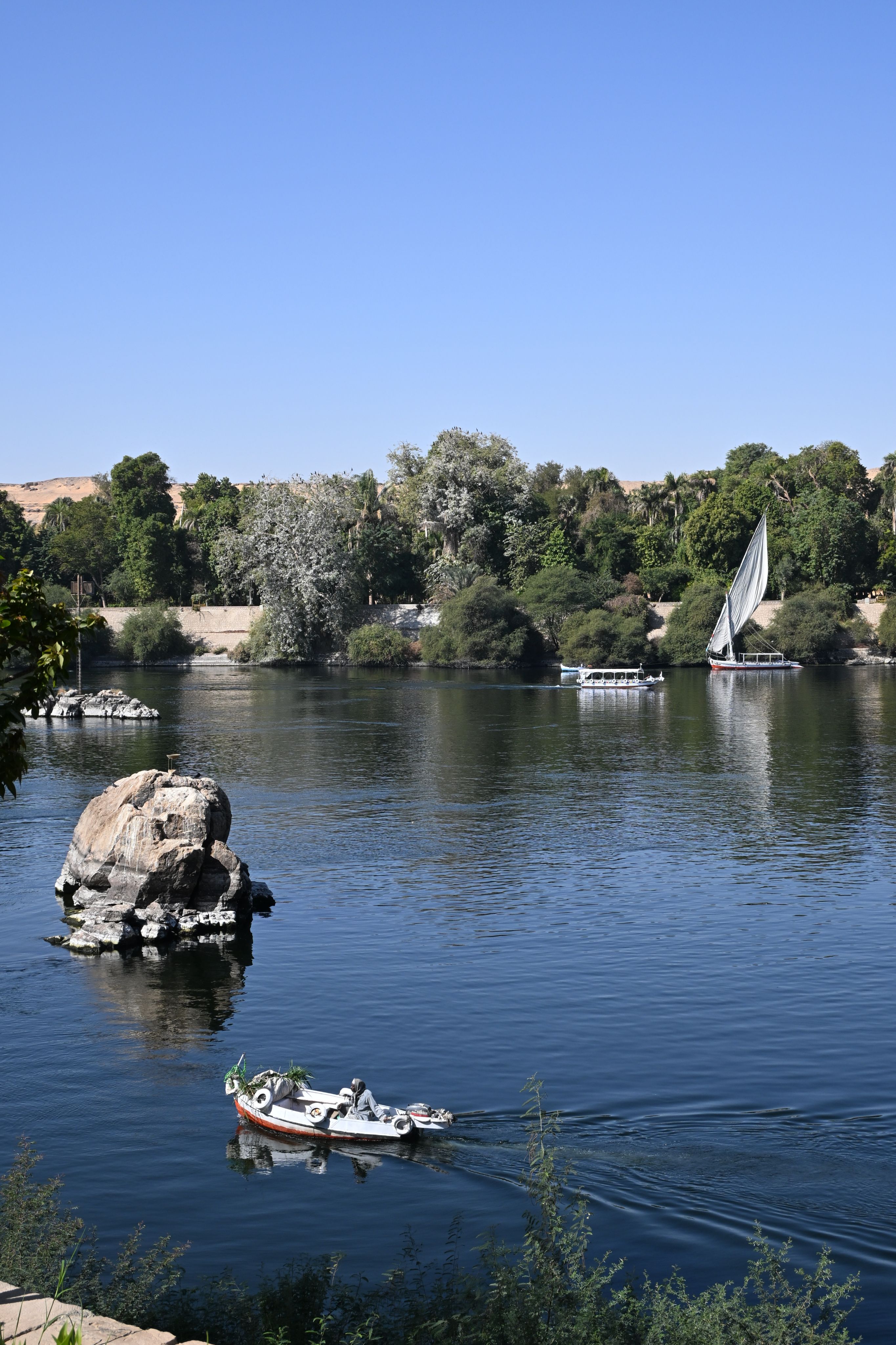
Zamalek is a residential island district in the Nile in the northwest of Cairo: leafy streets, embassies, art galleries, European-style apartment buildings and the most concentrated good restaurant and café scene in the city. It is quieter and cooler than the surrounding districts, genuinely walkable, and the correct base for a short Cairo visit. The Nile views from the corniche at the island's edge are the best free amenity in the district.
Dinner: Khan Al Pasha in the historic Khan El Khalili quarter is a traditional Egyptian dinner house with a theatrical sense of setting and a wide menu of mezze, grills and the classic Egyptian dishes done correctly. Durbar nearby is the source material's Indian alternative: well-spiced and reliable for those wanting something different from the Egyptian options on the first night. Both are in the same neighbourhood; the question is what you are more in the mood for after a long travel day.
Day 2: Pyramids, the Grand Egyptian Museum and Old Cairo
Leave Zamalek no later than 6 am for the Giza Plateau. The site opens at 8 am but the first light appears on the pyramids from around 6:30 am and the 90 minutes before the tour buses arrive are the best of the day. Uber to the plateau is straightforward; agree that you want the main entrance and not the sphinx entrance, as drivers often default to the latter.
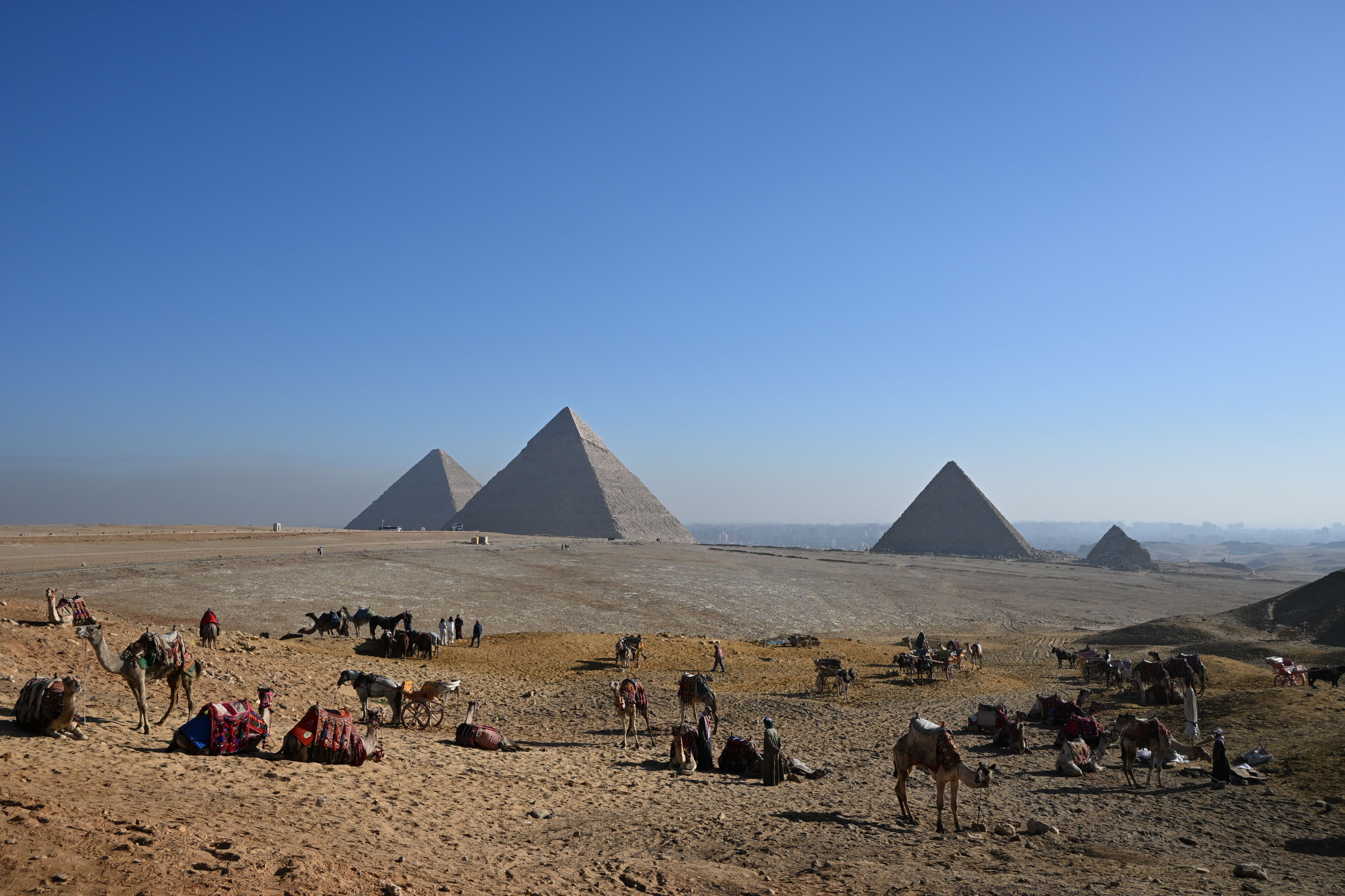
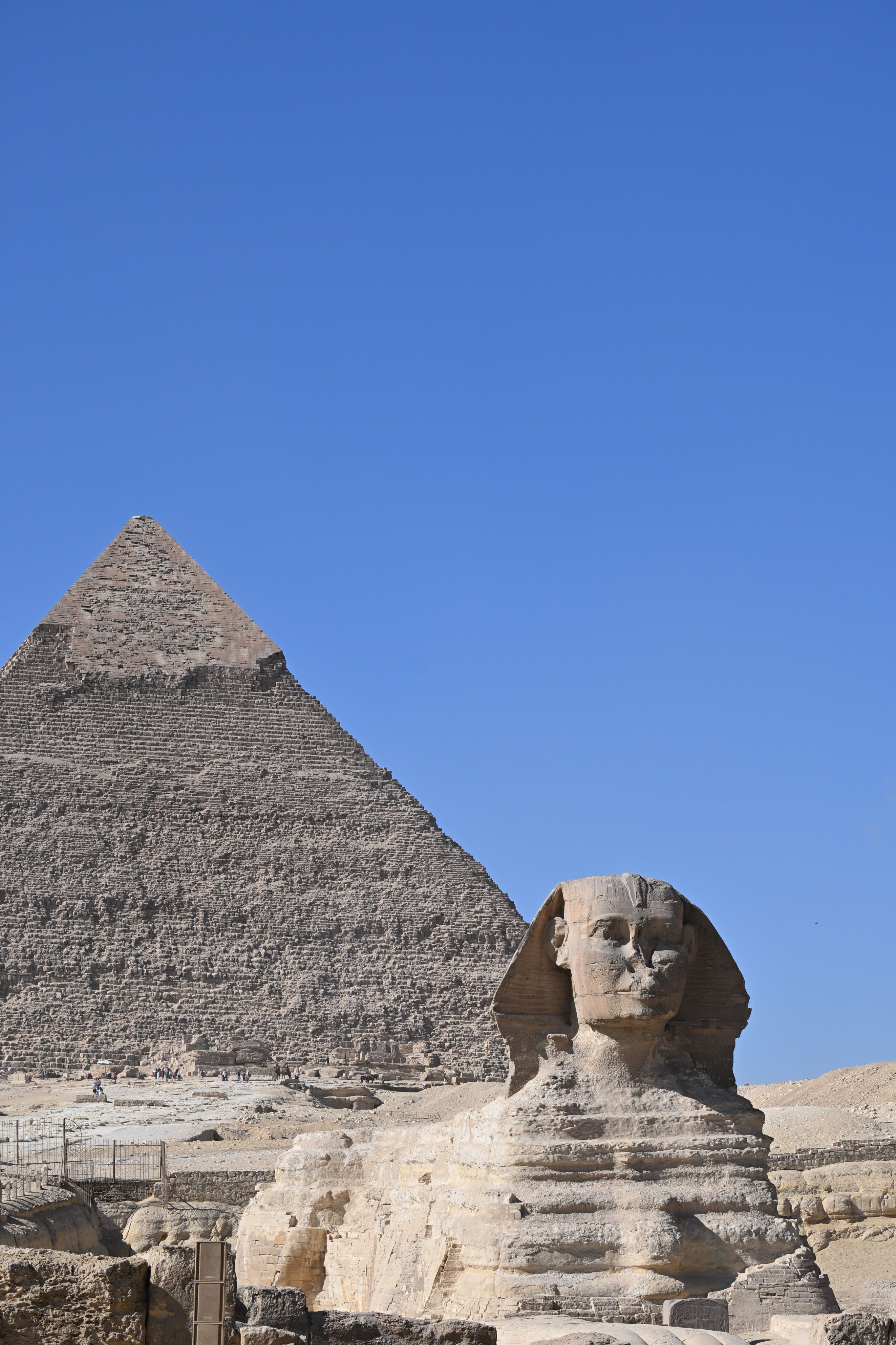
Pyramids of Giza: The complex contains the three main pyramids of Khufu (the Great Pyramid, the largest), Khafre and Menkaure, plus the Great Sphinx, three smaller queens' pyramids and the remains of mortuary temples connecting each pyramid to the Nile. The standard ticket covers entry to the plateau and the Sphinx enclosure; separate tickets are required for the pyramid interiors, of which Khufu's and Menkaure's are currently accessible. Khufu's interior is a stooped climb through a narrow ascending passage to the King's Chamber, bare red granite with a lidless sarcophagus; the experience is claustrophobic and magnificent simultaneously. Allow two to three hours for the site. Ignore the camel ride offers at the entrance; they are aggressively priced and the plateau is navigable on foot.
9 Pyramids Lounge: For morning coffee and a break with a direct view of all three pyramids, this rooftop lounge near the site entrance is the source material's named recommendation and among the best positioned viewing spots at the plateau.
Grand Egyptian Museum (GEM): 2 km from the Giza Plateau, the GEM opened in stages between 2021 and 2023 and is the largest archaeological museum in the world. The centrepiece is the complete Tutankhamun collection: over 5,000 objects from the boy pharaoh's tomb, including the gold funerary mask, the innermost coffin, the four gilded shrines and the complete funeral equipment assembled by Howard Carter between 1922 and 1932. The Royal Mummies Hall and the Great Atrium, with its 83-metre high atrium containing a colossal statue of Ramses II, require a separate ticket from the general admission. Allow three hours minimum; the museum is genuinely overwhelming and the highlights can be done in two hours if time is tight. Book tickets in advance online at gem.gov.eg.
Lunch at Khufu's: The source material specifically names this restaurant for the pyramid-view lunch, and the positioning justifies it: a glass-fronted restaurant with a direct line of sight to the Great Pyramid. The menu covers Egyptian and international dishes. It is the correct capstone for the morning.
Coptic Cairo: Take an Uber from Giza to Coptic Cairo (approximately 30 minutes), the oldest continuously inhabited part of the city. The Hanging Church (Al-Muallaqah), the Church of St George, the Ben Ezra Synagogue and the Coptic Museum are concentrated within a few walkable blocks. Coptic Christianity in Egypt predates the Islamic conversion by six centuries; the community has maintained continuous worship here since the 3rd century AD. The churches are active places of worship and retain decoration and atmosphere that is absent from the tourist-facing versions of Egyptian Christianity found elsewhere. Allow 90 minutes.
Khan El Khalili bazaar and dinner: One of the oldest bazaars in the Middle East, established in the 14th century and expanded continuously since. The outer streets are heavily tourist-facing; the inner covered lanes of the spice souk and the copper and silverwork areas are significantly more interesting. El Fishawy Café, continuously open since 1773, is the correct tea stop inside the bazaar. For dinner: Andrea Zamalek is the source material's named restaurant in the Zamalek neighbourhood for returning to after the bazaar day. Granita Cairo is the alternative recommendation for something lighter and more casual. Abou El Sid in Zamalek is one of the most celebrated Egyptian restaurants in the city: a 1940s Cairo salon atmosphere, low brass tables, Umm Kulthum on the speakers and a menu covering molokhia, stuffed pigeon, tagines and a genuinely good fattah.
Gad, the Egyptian fast-food institution named in the source material, is the correct budget alternative throughout the Cairo days: cheap, fast, reliably good Egyptian staples including koshari, ful medames and ta'ameya available from multiple branches across the city.
 Terra Nova Collective