 Terra Nova Collective
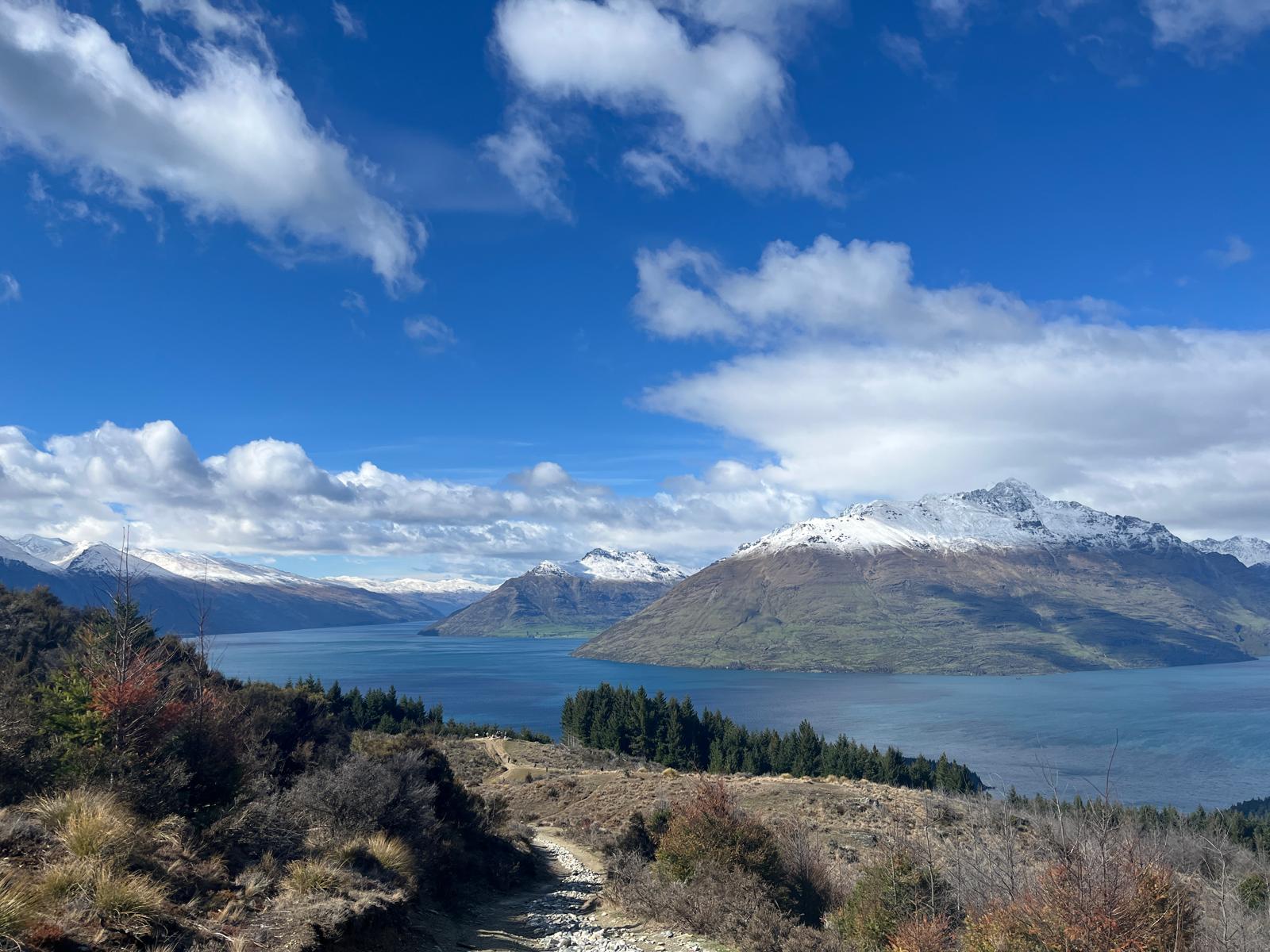
Night skies at Lake Tekapo
Wander the turquoise shores of Lake Tekapo and join a guided stargazing experience under one of the clearest night skies on Earth, the Aoraki Mackenzie International Dark Sky Reserve.
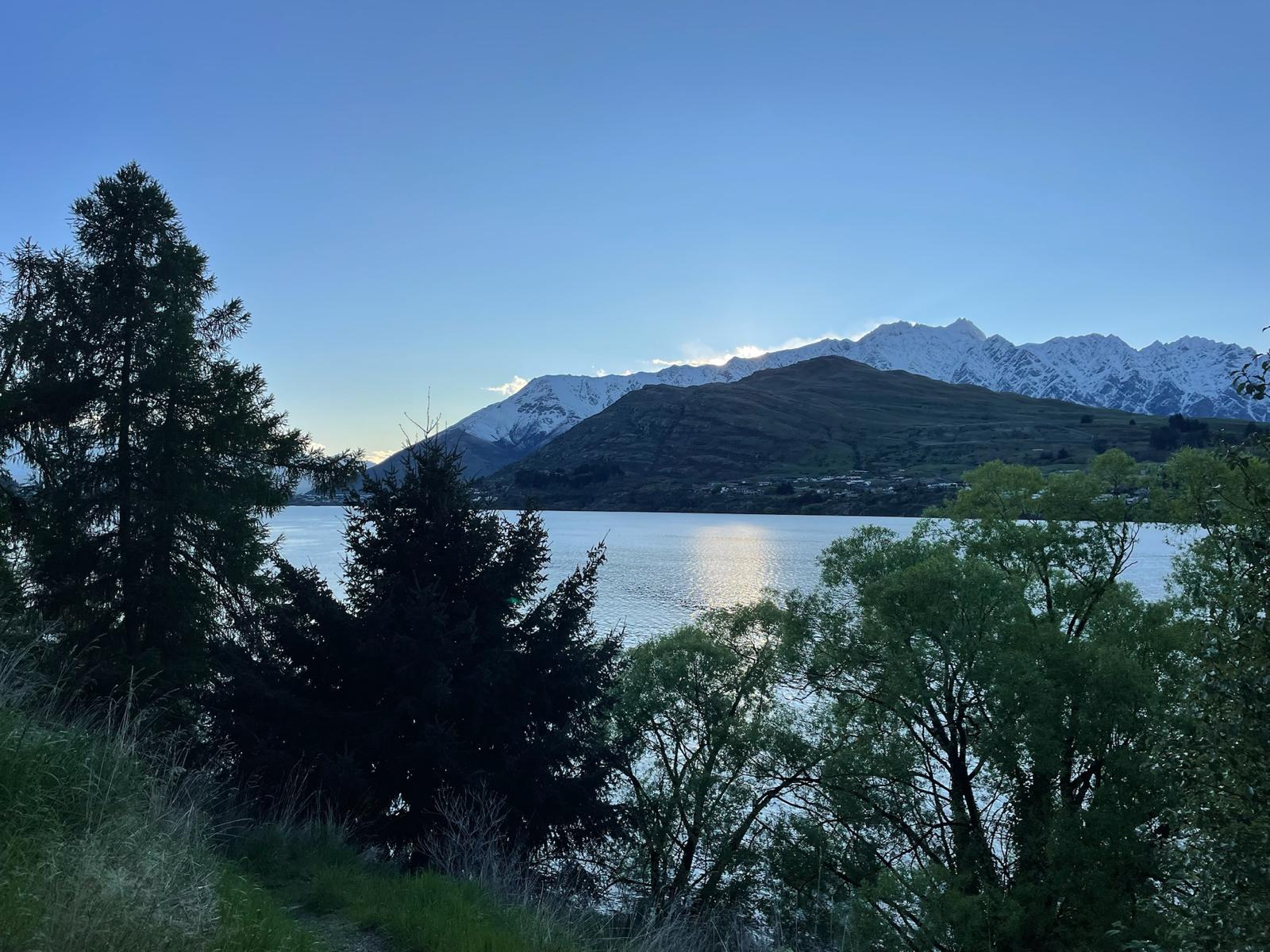
Fjords, Lakes & Southern Skies
A two-week journey through New Zealand’s South and North Islands, blending alpine landscapes, mirror-still lakes, fjord expeditions, volcanic plateaus, and wine-island escapes.
This itinerary blends New Zealand’s wildest landscapes with calm corners. Begin in Christchurch, a city rebuilt with creativity after the 2011 earthquake, zip-line above forest canopies, stroll botanic gardens, and climb to hilltop viewpoints. Move south into the iconic Mackenzie basin, where Lake Tekapo glows pastel-blue beneath some of the world’s clearest stars. Continue deeper into the Southern Alps via Wanaka toward Queenstown, the adventure capital, where lake cruises, ridgeline trails, and alpine dining set the tone. Fiordland sits just beyond reach: a full-day journey to Milford Sound brings waterfalls, cliffs, and a return flight that’s a highlight of the entire trip. Fly north to Auckland, dividing time between its islands and volcanic heartlands, from Waiheke’s vineyards to Lake Taupo’s lakeside trails and geothermal encounters.
New Zealand threads together some of the most varied environments on Earth, alpine ridges, mirror-still lakes, ancient fjords, volcanic plateaus, and subtropical islands. This route takes you through both islands at an achievable pace, with time to explore, hike, and take in the scenery rather than rush between it.
The South Island forms the dramatic half of the trip: start in Christchurch with light activities and urban recovery before heading into the Mackenzie basin for lake walking and stargazing. The drive toward Queenstown is among the country’s most scenic, rolling hills, glacial rivers, and the laid-back lakeside town of Wanaka.
Queenstown anchors several days of adventure, from ridge hikes to boat trips. A full-day Milford Sound excursion adds one of the world’s most iconic fjord landscapes. On the North Island, Auckland’s harbour offers island escapes, especially Waiheke, ideal for wine tasting and coastal wandering. Lake Taupo rounds out the journey with geothermal wonders and lakeside hikes.
Wander the turquoise shores of Lake Tekapo and join a guided stargazing experience under one of the clearest night skies on Earth, the Aoraki Mackenzie International Dark Sky Reserve.
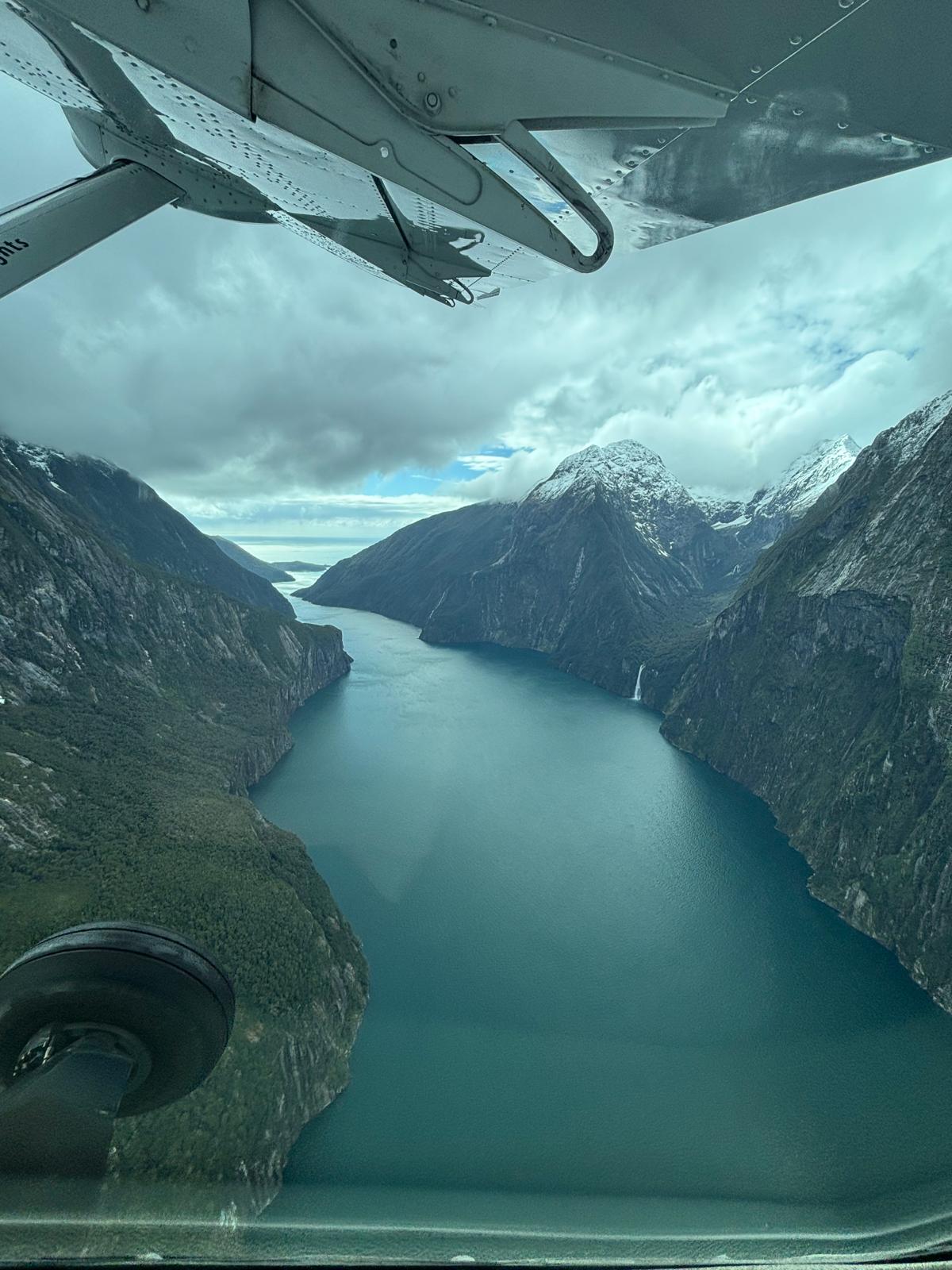
Cruise through towering fjords carved by ancient glaciers, then take a scenic flight back to Queenstown over snow-capped ridges, hidden valleys, and the dramatic Fiordland coastline
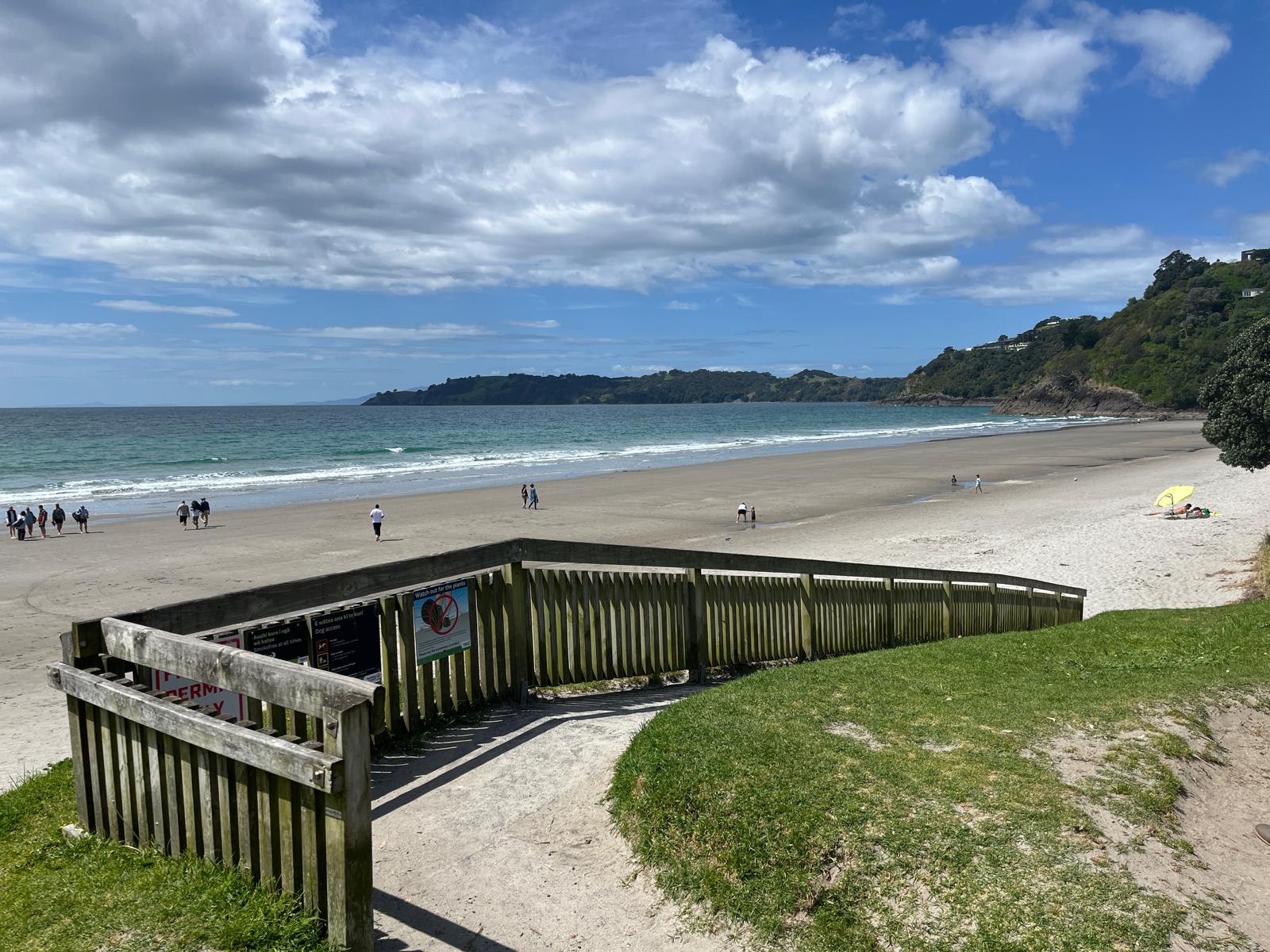
Sip your way through Waiheke Island’s coastal vineyards, then continue to Lake Taupo for steaming geothermal valleys, sky-blue rivers, and lakeside hikes.
Days 1 to 2: Christchurch / botanic gardens, Avon River, street art and earthquake rebuild
Day 3: Drive to Lake Tekapo / Church of the Good Shepherd, lakeside walk and stargazing at the Dark Sky Reserve
Day 4: Tekapo to Queenstown / Mount Cook detour, Hooker Valley, Wanaka lakefront and Crown Range Road
Days 5 to 6: Queenstown / gondola, ridgeline hikes and lake walks
Day 7: Full day to Fiordland / Milford Sound boat cruise and return
Day 8: Fly to Auckland / Mount Eden and Ponsonby evening
Day 9: Waiheke Island / vineyards, coastal walks and ferry back
Days 10 to 11: Rotorua and Lake Taupo / geothermal sites, Māori culture, Huka Falls
Days 12 to 14: Auckland / waterfront, Devonport, west coast beaches and departure
The first part of the day-by-day route, free to read.
Christchurch's international airport (CHC) is 10 km northwest of the city centre. Taxis and Uber both operate from arrivals; the journey takes 20 to 30 minutes depending on traffic. If you have a rental car booked for the South Island, collect it here on arrival; all the major operators have desks at the terminal. You will need the car from Day 3 onward.
The 2010 to 2012 earthquake sequence killed 185 people and destroyed or damaged roughly 80 percent of the central city. The rebuild that followed over the following decade was one of the most ambitious urban reconstruction projects in the Southern Hemisphere and it is genuinely interesting to walk through. The city is not a ruin; it is a finished modern city built on a destroyed Victorian one, and the tension between what was lost and what was built in its place is visible everywhere and worth paying attention to.
The Botanic Gardens are the single best thing in Christchurch and are free to enter. The 30-hectare gardens sit within Hagley Park on the banks of the Ōtākaro/Avon River and contain themed collections ranging from New Zealand native plants to a rose garden, water garden, herb garden and woodland walk. The daily free guided tour runs at 1:30 pm from the visitor centre and covers roughly 90 minutes; it is worth joining for the botanical context even if gardens are not normally your thing. The gardens open from dawn to dusk.
Punting on the Avon is the most enjoyable way to see the gardens and the rebuilt city simultaneously. Boats depart from the Antigua Boat Sheds on Cambridge Terrace, a heritage structure dating from 1882 that has operated continuously through the earthquake rebuild. Punting tours take approximately 30 minutes; kayaks and canoes are also available for self-guided paddles. The boat sheds also serve as a café.
The Canterbury Museum is free to enter and worth two to three hours: the "Christchurch Street" recreation of an early settler streetscape is one of the better museum exhibits in New Zealand, and the natural history and Māori taonga sections are substantial. The Quake City exhibition (separate entry, approximately NZD 20) covers the earthquakes themselves through survivor interviews, live footage from the day of the February 2011 event, and physical artefacts including liquefaction samples and collapsed building sections. It is confronting and well-made.
Cathedral Square remains a work in progress; the Christchurch Cathedral, badly damaged in 2011, is in the final stages of a painstaking restoration. The square itself is worth a walk through to understand the scale of the rebuilding effort even though it is not yet the civic centrepiece it once was. The nearby Tūranga central library, opened in 2018, is one of the most architecturally ambitious buildings in the rebuilt city and worth a look.
The street art circuit: the earthquake demolitions left enormous blank walls across the city. Artists were given access and what followed became one of the more significant outdoor art collections in the Southern Hemisphere. The Street Art Guide available at the visitor centre or through the Christchurch City Council website maps the major pieces with their locations and the artists' names. Walking this circuit takes two to three hours and can be combined with the cathedral and museum visit naturally.
For the ridgelines: the Cashmere Hills south of the city offer the best views over the Canterbury Plains and out to sea. Drive or bus to the Sign of the Kiwi café at the top of Dyers Pass Road (a heritage stone building dating from 1916, now a café, open daily) and walk east or west along the Summit Road for the full panorama. The walk along the Crater Rim Track from here gives a clear sense of the extinct volcanic landscape that formed these hills.
£12.99
One-time payment
Unlock this itineraryInstant access. You'll confirm at checkout that this ends your 14-day right to cancel. Terms
Already bought it? Log in
You own this itinerary.
Open the full itinerary“The highlight for me was definetely the scenic flight from Milford Sound. A small 10-man plane flying through the Fjords is something I never thought I would do. It was rather turbulent (which I loved) so if you are a nervous flyer then you will probably enjoy the Fjords more from the ground!”
“Tekapo’s night sky was the brightest I’ve ever seen. Queenstown was the perfect base for everything outdoors.”